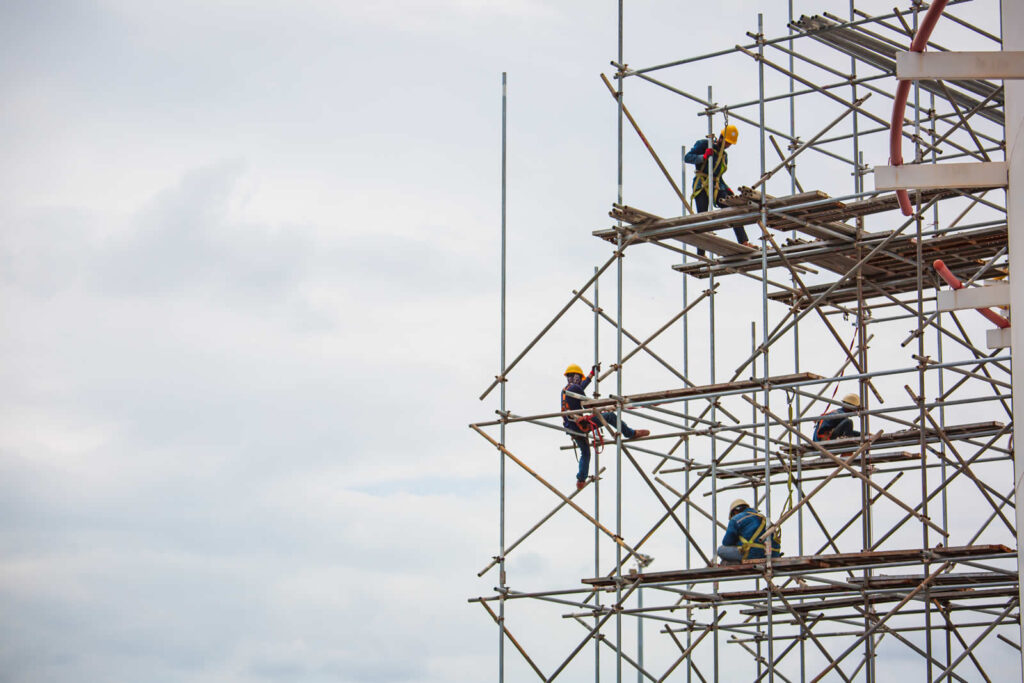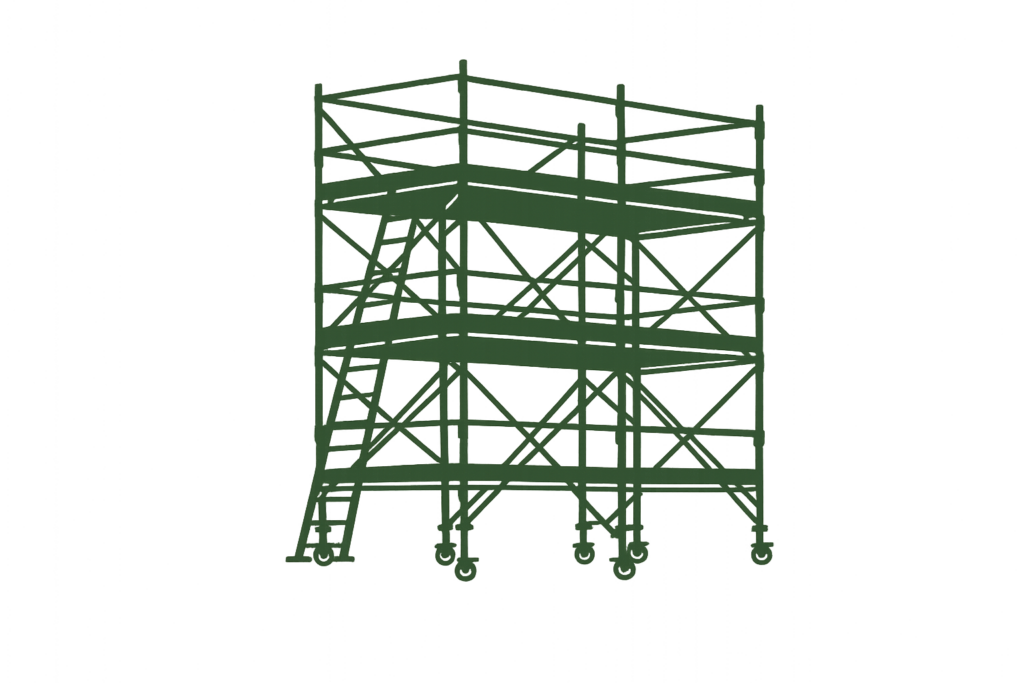
Scaffolding Crash Deck Cost Calculator
Estimate the likely cost of crash deck scaffolding, birdcage platforms, internal safety decking and temporary working platforms for construction, refurbishment and fall prevention work.
Estimate the likely cost of crash deck scaffolding, birdcage platforms, internal safety decking and temporary working platforms for construction, refurbishment and fall prevention work.
Find out what your scaffolding is likely to cost in minutes. Enter your property type, scaffold size, location, hire duration, and any common extras to receive a realistic guide price before requesting a formal quote.
Scaffolding Crash Decks are temporary scaffold platforms used to create safer working areas, reduce fall risk, protect voids and give trades a stable platform inside or around a structure. They are often used during roofing, ceiling installation, demolition, steelwork, timber frame construction, mezzanine work, internal refurbishment and projects where workers need safer access across an open area.
For 2026, smaller crash deck scaffold hire may start from around £500 to £1,200 for a compact internal platform or short-duration safety deck. Medium crash deck scaffolding for ceiling work, roof access, void protection or residential construction may sit between £1,200 and £4,500. Larger birdcage crash decks, commercial safety decking systems or complex scaffold crash platforms can range from £5,000 to £20,000+ where size, height, loading, access and hire duration increase.
A scaffold crash deck is usually built as a temporary platform beneath or around a work area. It can help prevent falls into open spaces, provide a working surface below roof level, support access for ceiling trades, or create safer movement across a large internal void. The term is sometimes used loosely, so it is important to be clear whether the structure is intended as a working platform, fall prevention deck, protection deck, access deck or birdcage scaffold.
Crash decks are useful in houses, schools, warehouses, factories, retail units, apartment blocks, churches, leisure buildings, office fit-outs and commercial refurbishments. They can be used where internal ceilings are high, floors are incomplete, roof work is being carried out above, or demolition work creates risks from falling materials.
The process normally starts with a survey of the working area. The scaffold company needs to know the deck size, required height, loading needs, internal access, floor condition, doorway width, ceiling height, work sequence and whether the deck will be used by one trade or several trades. A crash deck for light ceiling access is not specified in the same way as a deck used below demolition work or as a larger birdcage scaffold platform.
After the survey, the scaffold layout is planned. The team decides where the standards will sit, how the deck will be supported, how workers will access it, where guardrails are needed and whether the platform needs to be fully boarded across the whole area. If the crash deck is being installed inside a building, the scaffolders must also consider floor protection, narrow corridors, stair access, finished surfaces, door openings and whether materials need to be carried by hand.
Once the design and access route are agreed, the scaffold materials are delivered and the erection area is segregated. The scaffold is then built from the base upwards, with standards, ledgers, transoms, braces and boards installed in sequence. The platform is levelled, checked and completed with edge protection, toe boards, ladder access or stair access where required. The final stage is inspection and handover, so the deck is not used before it has been checked as suitable for the intended work.
A small internal crash deck for a domestic ceiling, stairwell, void or localised roof access may cost around £500 to £1,200 for a short hire period. A larger safety deck scaffold used for extension work, timber frame construction, roof repairs or internal refurbishment may cost around £1,200 to £4,500 depending on the area covered and the working height.
For bigger projects, temporary roof scaffolding, birdcage scaffold platforms, demolition crash decks and commercial safety decking systems can cost much more. A large crash deck platform in a warehouse, school hall, apartment block, retail unit or industrial building may range from £5,000 to £20,000+ if the deck covers a large area, needs higher loading or remains in place for several months.
Crash deck scaffold costs are heavily influenced by how easy the structure is to install. A clear open space with level ground and good access is usually quicker and cheaper than an internal deck that has to be carried through narrow doors, built over stairs, worked around finished floors, or installed inside an occupied building.
The required loading also matters. A deck used mainly for access and light work may be priced differently from a deck expected to carry heavier materials, tools, waste or several trades at once. Where the deck forms part of a temporary works plan, the specification may need to be more detailed, which can increase cost but gives a safer and clearer arrangement.
The best way to control crash deck hire costs is to define what the platform needs to do before the quote is prepared. A fall prevention deck, working platform, ceiling access deck, demolition protection deck and birdcage scaffold are not always the same thing. If the scaffold contractor understands the load, height, use, area and programme, the quote is more likely to reflect the real requirement.
It also helps to coordinate trades while the deck is in place. Ceiling contractors, roofers, electricians, painters, plasterers, demolition teams and inspection teams may all benefit from the same crash deck if the sequence is planned properly. Scaffold Calculator helps users compare likely scaffolding crash deck costs before requesting quotes in places such as London, Manchester, Birmingham, Leeds, Sheffield, Bristol, Liverpool, Nottingham, Cardiff and Glasgow.
Estimated costs for crash deck scaffolding, internal safety decks, birdcage scaffold platforms and temporary fall prevention access. Guide prices only.
A scaffolding crash deck can cost from around £500 for a small internal platform to £20,000+ for a large commercial or industrial deck. Most medium-sized crash deck scaffold jobs fall between £1,200 and £4,500, depending on size, height, loading and hire duration.
Larger birdcage crash decks are often priced by area because the amount of scaffold board, tube, fittings and labour increases with the platform size.
Scaffold Calculator gives a useful guide, but a proper quote depends on measurements, access, loading and the work being carried out.
A scaffolding crash deck is a temporary scaffold platform built below or around a work area to improve safety, provide access or protect an open void. It is often used inside buildings, beneath roof work, around high ceilings or during construction and refurbishment projects.
It may be used for:
The exact design depends on whether the deck is mainly for access, fall prevention, working space or protection from falling materials.
A crash deck and birdcage scaffold can be similar, but they are not always the same thing. A birdcage scaffold is usually a grid-like scaffold structure that creates a large working platform, often across a room or internal space.
A crash deck may be built as a birdcage platform, but the term is often used when the platform is intended for fall prevention, void protection or temporary protection during work above.
The safest approach is to describe what the deck must do, rather than relying only on the name.
The process starts with measuring the area, checking access and confirming what the deck will be used for. The scaffold company then plans the platform height, loading, support positions, access method and edge protection.
Materials are delivered, the area is segregated, and the scaffold is erected in stages from the base upwards. Boards, guardrails, toe boards and access points are added as required.
Before use, the completed crash deck should be inspected and handed over so trades know the platform is ready and suitable for the planned work.
You may need a crash deck scaffold when work is taking place above an open area, where workers need a stable platform, or where falls into voids need to be prevented. It is commonly used during ceiling work, roof construction, demolition, steel installation, timber frame work and high-level internal refurbishment.
Crash decks are also useful where ladders or towers would require constant repositioning or would not give enough safe working space.
The need for a crash deck is usually based on the work at height risk, the size of the area and how long trades need access.
Yes, many crash decks are designed to be used as temporary working platforms, but only if they are specified for that purpose. The scaffold must have suitable boards, support, access, edge protection and loading capacity for the intended work.
A deck used for light access is not automatically suitable for heavy materials, demolition waste or multiple trades.
The intended use should be made clear before installation so the scaffold contractor can build the correct platform.
Crash decks are often used as part of fall prevention or fall mitigation planning, but the exact purpose must be clear. Some safety decking systems are designed to reduce fall distance, while scaffold crash decks may also be used as working platforms or void protection.
They should not be treated as a substitute for proper edge protection, safe systems of work and sensible site planning.
The deck should be specified by competent people who understand the work, fall risks and loading requirements.
The biggest cost factors are deck area, height, loading, access, hire duration and site complexity. A small square platform in a clear room is usually much cheaper than a large deck inside a commercial building with restricted access and several trades using it.
Other price factors include:
More complex crash deck platforms take longer to install, inspect and dismantle.
A small crash deck may be installed in a few hours, while larger birdcage crash decks can take a full day or several days. The installation time depends on deck size, working height, access, number of scaffolders and whether materials can be moved easily into the area.
Internal projects often take longer if scaffold components need to be carried through doors, corridors, staircases or finished areas.
The dismantling stage is usually quicker, but it still needs to be controlled and segregated from other work.
Yes, crash deck scaffolding can be used inside a house where safe access is needed for ceilings, stairwells, roof voids, extensions, loft conversions or internal structural work. It is often useful where a room has a high ceiling or where there is an open void.
The scaffold team will need to consider floor protection, doorway widths, ceiling height, finished surfaces and how materials will be carried inside.
Small domestic crash decks are usually cheaper than large commercial decks, but awkward access can still increase the price.
Yes, crash decks are often used on commercial sites such as offices, warehouses, schools, retail units, hospitals, factories, churches, leisure centres and apartment developments. They are useful where high-level internal work needs a safe platform.
Commercial crash decks may need more planning because several trades, longer hire periods and larger open areas can be involved.
Where buildings remain occupied, the installation may also need phasing, segregation, out-of-hours work or extra protection for staff and visitors.
A crash deck may need edge protection if there is a risk of falling from the platform or into an exposed area. Guardrails, toe boards and safe access points are common features on scaffold working platforms.
The exact edge protection depends on the height, deck layout, use and surrounding risks.
Edge protection should be included in the quote where it is required, because leaving it out to reduce cost can make the platform unsuitable.
Yes, crash deck scaffolding should be inspected before use and during the hire period. It should also be checked after alteration, impact, severe weather if external, or anything that may affect stability.
Inspection is especially important where the deck is used by several trades or remains in place for a long project.
The scaffold company should explain inspection arrangements and whether they are included in the hire price.
A crash deck can only carry materials if it has been designed and specified for that load. Some decks are suitable for light tools and workers, while others may need higher loading for boards, plasterboard, demolition waste or construction materials.
The expected load should be explained before the scaffold is built. Guessing the load after installation can create safety issues.
If materials will be stored on the deck, ask for the safe working load and make sure everyone on site understands the limit.
Yes, crash decks can be used during demolition or strip-out work, but the specification must match the risk. Demolition work can involve falling debris, heavier waste, vibration and changing site conditions.
A deck used beneath demolition may need stronger support, protective boarding, exclusion zones and a clearer temporary works plan.
Demolition crash decks are usually more expensive than light-access decks because the loading and risk profile are higher.
Yes, crash deck scaffolding can often be installed over stairs, stairwells or open voids. This is useful for plastering, painting, ceiling work, lighting, roof access or structural repairs where normal access is difficult.
Stairwell decks need careful planning because the base levels, support points and access routes may be awkward.
The cost may be higher than a flat-room deck because installation takes longer and the scaffold has to be adapted to the shape of the space.
A crash deck quote usually needs the deck length, width, height, location, access route, hire period and intended use. The scaffold company also needs to know whether the deck will carry only people and tools or heavier materials.
Useful details include photos of the space, doorway widths, stair access, ceiling height, floor condition and any obstacles.
The clearer the information, the more accurate the quote is likely to be.
Crash deck scaffolding should not be moved or altered by anyone other than competent scaffolders. Moving boards, removing braces, changing access points or altering supports can make the platform unsafe.
If the work area changes, the scaffold company should be asked to alter or extend the deck properly.
Planned phasing can sometimes reduce alteration costs because the scaffold can be designed around the project sequence from the beginning.
Compare crash deck scaffold quotes by checking the area covered, working height, loading, hire period, access method, edge protection, inspections, erection and dismantling. Make sure each quote is pricing the same type of deck.
Also check whether VAT, design input, floor protection, out-of-hours work, delivery, alterations and extra hire weeks are included.
A cheaper quote may not be better if it excludes the loading, platform size or protection needed for the actual work.
To get a scaffolding crash deck quote, provide clear measurements of the area, photos, the required platform height, the type of work being carried out and how long the deck is likely to be needed.
Useful details include:
Scaffold Calculator can help you understand rough crash deck scaffold prices before requesting formal local quotes.
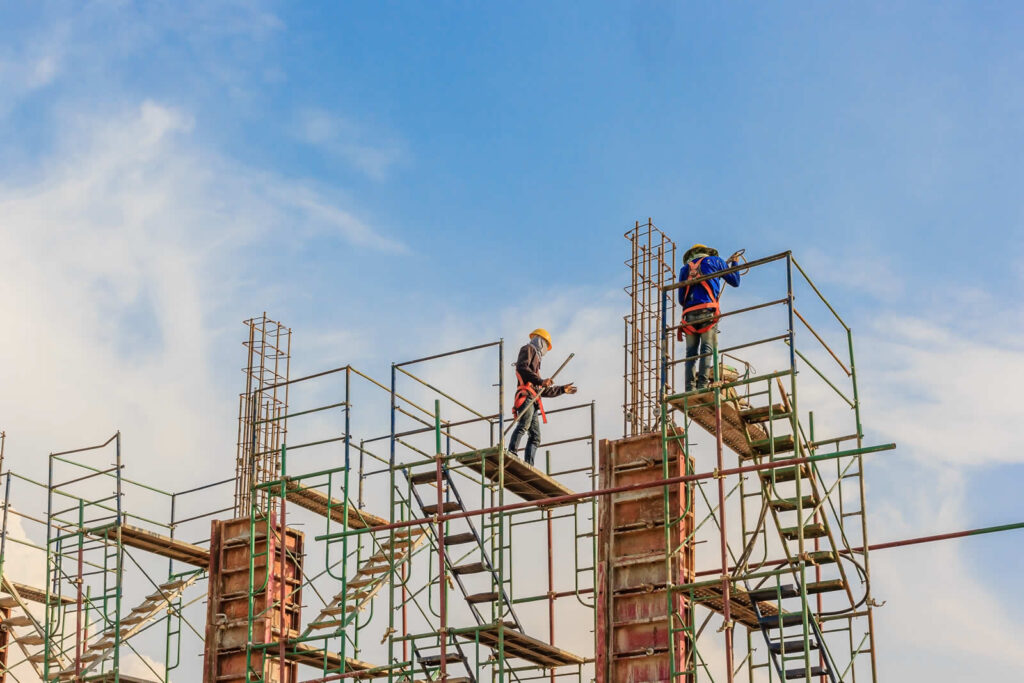
Scaffolding crash decks give contractors, builders and trades a safer temporary platform when working around voids, high ceilings, roof areas, demolition zones or unfinished structures. They are commonly used inside homes, commercial buildings, schools, warehouses, factories, churches, retail units and apartment developments.
Scaffold Calculator helps users understand likely crash deck scaffold hire costs before requesting quotes. Whether the job involves a birdcage crash deck, internal safety deck, ceiling access platform, fall prevention scaffold deck, demolition protection deck or temporary working platform, the correct setup depends on the site and the work being carried out.
The process usually starts with measuring the deck area and confirming its purpose. The scaffold company checks whether it will be used for access, fall prevention, material handling, demolition protection or general working space.
A properly planned crash deck can improve site safety, reduce awkward access problems and give trades a more stable area to work from than ladders, hop-ups or constantly moved towers.
Crash deck scaffold hire is used when a temporary platform is needed below, around or within a working area. It can provide internal access, cover voids, support ceiling work or create a safer deck where trades need to work at height for longer periods.
The quote process starts by identifying the deck’s purpose. A light-access platform for decorating is different from a crash deck used during demolition or structural work. The scaffolder needs to know the load, platform height, access route and number of people likely to use the deck.
Once the purpose is clear, the scaffold can be planned properly. The layout should give enough room to work without forcing trades to lean, climb or improvise around gaps. If the deck is too small or too low, it can slow the project down and increase risk.
Good crash deck planning makes the rest of the job easier. It gives trades a stable surface, helps organise movement and reduces the need for unsuitable temporary access methods.

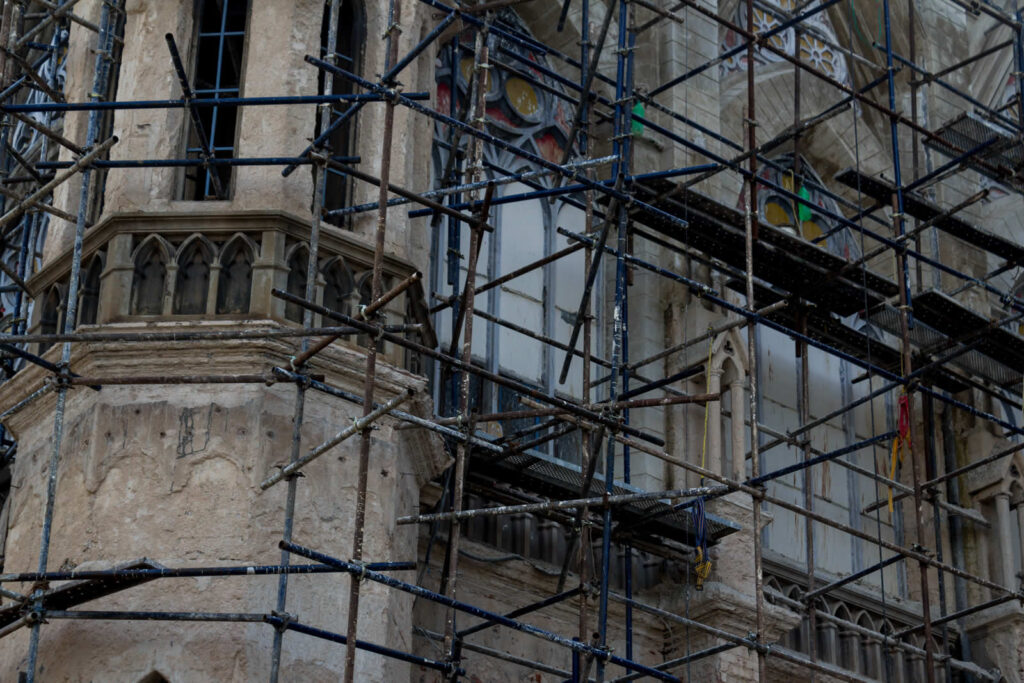
The installation process begins with preparing the area. Loose materials, fragile items, finished surfaces and unnecessary obstructions should be cleared where possible. If the deck is being installed inside a property, the scaffold team may need to protect floors, walls, doors and stair areas before bringing materials in.
The scaffold is then built in sequence. Base plates are set, standards are positioned, ledgers and transoms are fixed, and the frame is braced. Boards or platform panels are installed to form the deck surface, with guardrails, toe boards, ladder access or stair access added where required.
During installation, the scaffolders work to the planned height and platform size. This is important because the deck must sit close enough to the work area to be useful, but with enough clearance for safe movement, tools and materials.
After completion, the deck is inspected before use. Trades should not treat the structure as ready until it has been handed over and any loading limits or restrictions have been explained.
Crash decks are useful during construction and refurbishment because they create a controlled platform where normal floor levels, ceilings or roof structures are not yet complete. They are often used during extensions, loft conversions, timber frame work, steel installation, ceiling replacement, roof repairs and internal strip-outs.
The process depends on the project sequence. The crash deck may be installed before roof work starts, before ceiling trades arrive, before demolition begins or before a void becomes exposed. Planning the deck early helps avoid delays when trades are ready to start.
On refurbishment projects, the deck may need to work around existing walls, beams, staircases, services, floors and finishes. On construction sites, it may need to be positioned before other trades build around it.
The best results come when the scaffold contractor knows the programme, not just the platform size. That allows the deck to support the way the job will actually be carried out.

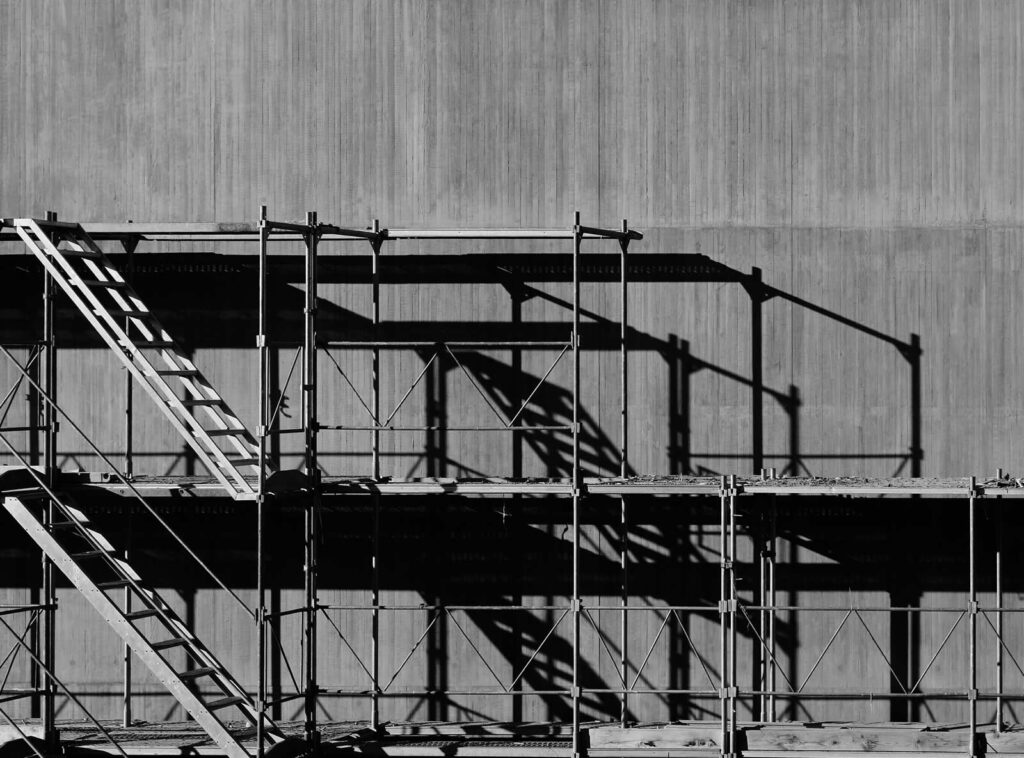
A birdcage crash deck platform is built using a grid of scaffold standards and boards to cover a larger internal area. This type of structure is common where trades need access across a ceiling, roof underside, hall, atrium, stairwell, void or large room.
The setup process is more involved than a small tower because the scaffold must be level across the working area. The scaffolders build a supporting grid, brace the structure and board the deck so users have a stable platform rather than isolated access points.
Birdcage crash decks are useful for plastering, ceiling installation, painting, M&E services, steelwork, roof repairs and internal refurbishment. They can reduce the need to move towers repeatedly across the space.
Costs are usually affected by square metre area, height, loading and access. A large birdcage platform in a school hall, warehouse or commercial unit will cost more than a small internal deck in a domestic property.
You may need a scaffolding crash deck if there is an open void, a high ceiling, a difficult internal access area, unfinished flooring, roof work above, or a need for a wide temporary platform. It is often used where ladders would be unsafe, too slow or unsuitable for the duration of the work.
Crash decks can help with ceiling works, roof construction, demolition, timber frame installation, internal fit-outs, plastering, painting, services installation and inspection work. They are also useful when several trades need to access the same high-level area.
The main benefit is controlled working access. Instead of repeatedly moving equipment or working from narrow platforms, trades can work from a wider deck designed around the job.
When planned properly, a crash deck can improve safety, speed up tasks and reduce disruption because the access remains in place while the work progresses.
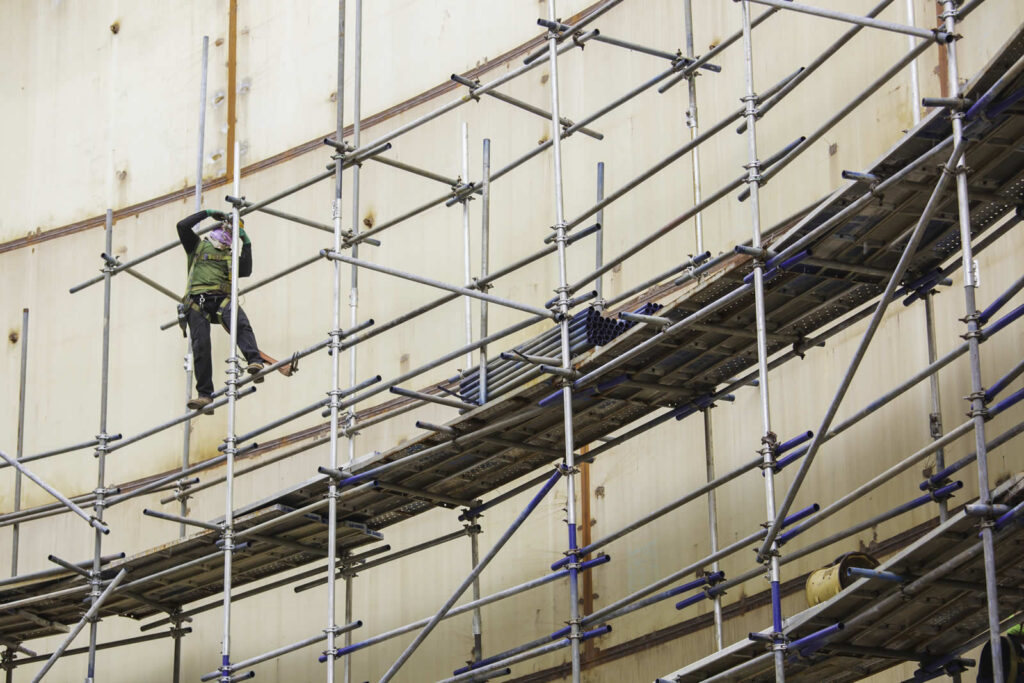
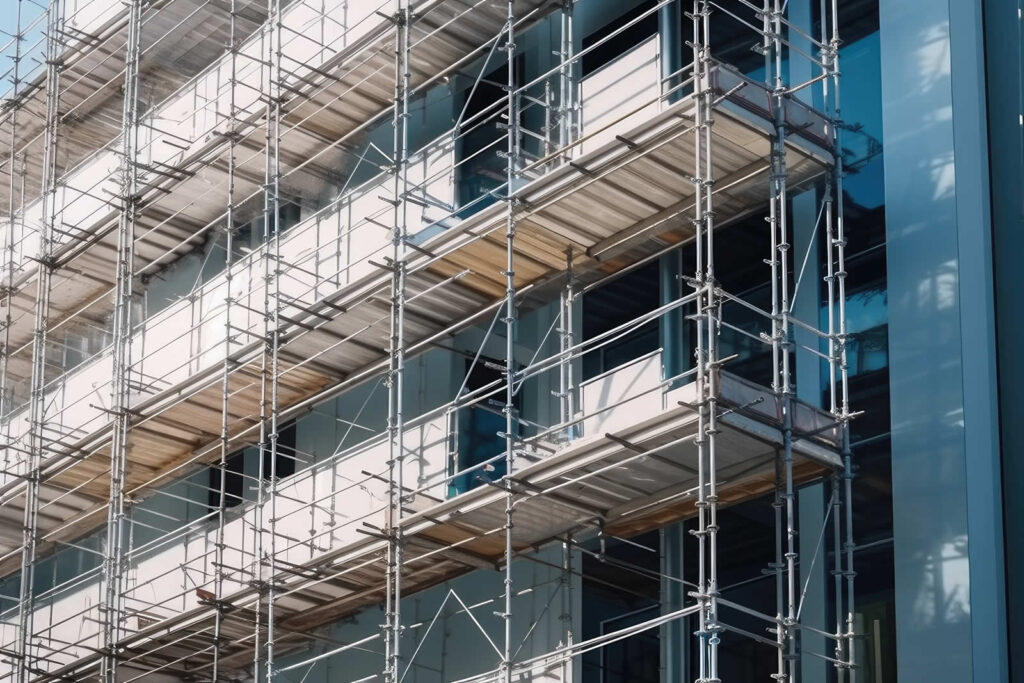
Scaffold Calculator helps users get a clearer idea of what crash deck scaffold hire may cost before contacting suppliers. It is useful when you need a rough budget for a birdcage platform, internal safety deck, void protection scaffold, ceiling access deck or temporary working platform.
Crash deck prices can be difficult to estimate because the area, height and loading all affect the structure. A few extra metres, awkward internal access, restricted loading, floor protection or a longer hire period can change the final quote.
The website is designed to make scaffold pricing easier to understand for homeowners, builders, contractors, site managers, landlords, facilities managers and commercial property teams.
It does not replace a site-specific quote, but it gives you a more informed starting point when comparing crash deck scaffold options.
Scaffolding crash decks are used across the UK for domestic, commercial, industrial and public-sector construction projects. Costs vary by region because labour rates, transport, parking, access restrictions and site conditions differ from one area to another.
A crash deck inside a clear new-build extension may be quicker to install than a deck inside an occupied office, school, warehouse or city-centre refurbishment site. Internal access, working hours and material handling can have a large effect on price.
Projects in London, Manchester, Birmingham, Sheffield, Leeds, Bristol, Liverpool, Nottingham, Newcastle, Cardiff, Leicester and Glasgow can vary depending on project scale, access and building type.
Scaffold Calculator helps users understand why crash deck scaffold costs can change from one project to another, even when the platform area appears similar.