Bird Proofing Scaffolding Cost Calculator
Estimate the likely cost of scaffold access for bird netting, pigeon spikes, roofline deterrents, solar panel protection and high-level bird proofing work.
Estimate the likely cost of scaffold access for bird netting, pigeon spikes, roofline deterrents, solar panel protection and high-level bird proofing work.
Find out what your scaffolding is likely to cost in minutes. Enter your property type, scaffold size, location, hire duration, and any common extras to receive a realistic guide price before requesting a formal quote.
Bird Proofing Scaffolding is used when installers need safe access to roofs, ledges, gutters, parapets, signs, plant areas, solar panels and other high-level places where pigeons, gulls or other birds are causing problems. The scaffold is not the deterrent itself; it is the temporary access structure that allows bird netting, spikes, mesh, post-and-wire systems or cleaning work to be installed safely.
For 2026, small bird proofing scaffold hire may start from around £750 to £1,500 for simple roofline or gutter access. A more involved pigeon proofing scaffold for shopfronts, terraces, offices or solar panel bird mesh may sit between £1,500 and £4,500. Larger commercial bird proofing scaffolding for warehouses, schools, hotels, apartment blocks or public buildings can rise from £5,000 to £18,000+ where height, access, netting areas and safety controls are more demanding.
The biggest cost factors are the scaffold height, roof access, number of elevations, building shape, bird proofing method and how long the scaffold is needed. A scaffold for pigeon spikes along one short parapet will usually cost far less than scaffold access for bird netting across a large courtyard, roof void, warehouse elevation or plant deck.
The bird proofing work itself can also influence the scaffold design. Netting, spikes, solar panel mesh and cleaning all require different access positions. Some jobs need trades to work close to fragile roof edges, signs, gutters, chimneys, glass canopies or awkward recesses, which can increase the scaffold specification.
A small scaffold for bird spike installation along a roofline or shopfront may cost around £750 to £1,800. Scaffold access for pigeon netting, solar panel protection, gutter clearance and bird mesh installation may cost closer to £1,800 to £4,500 depending on roof height, access difficulty and hire length.
For larger projects, temporary roof scaffolding, full elevation scaffold, gantry access or high-level bird control scaffolding can cost much more. A commercial bird proofing scaffold around a hotel, school, hospital, office block or warehouse may range from £5,000 to £18,000+ if several elevations, public protection or specialist access areas are involved.
Bird proofing scaffolding is useful on buildings where nesting, fouling, blocked gutters, damaged solar panels or contaminated ledges are becoming a repeated issue. It is commonly used on offices, shops, apartment blocks, schools, hospitals, warehouses, factories, churches, hotels, restaurants, train-side buildings and public-sector properties.
It can also be useful where birds gather around signs, canopies, loading bays, balconies, roof plant, window ledges or recessed elevations. The scaffold gives installers a stable working platform so deterrents can be fixed properly, rather than rushed from ladders or unsuitable temporary access.
The best way to control the cost is to plan the bird proofing work before the scaffold is erected. If cleaning, gutter clearing, roof repairs, solar panel mesh and pigeon spike installation can be completed during the same hire period, the scaffold becomes better value.
It also helps to identify the real problem areas before pricing the job. A full scaffold around a building may not be needed if birds are only roosting on one ledge, one sign or one roof edge. Scaffold Calculator helps users compare likely bird proofing scaffold costs before requesting local quotes in places such as London, Manchester, Birmingham, Leeds, Bristol, Sheffield, Liverpool, Nottingham, Cardiff and Glasgow.
Estimated costs for scaffold access used with pigeon proofing, bird netting, spikes, mesh and high-level bird control work. Guide prices only.
Bird proofing scaffolding can cost from around £750 for small roofline access to £18,000+ for larger commercial or high-level buildings. The scaffold cost depends on the height, access, number of elevations, hire period and whether public protection is required.
The bird proofing materials and installation are usually priced separately. Netting, spikes, mesh, cleaning and specialist deterrents all affect the overall job cost.
Scaffold Calculator gives a useful guide before you request formal local quotes.
Bird proofing scaffolding is used to give installers safe access to areas where pigeons, gulls or other birds are roosting, nesting or causing fouling problems. It is commonly used for fitting bird netting, pigeon spikes, solar panel mesh, ledge protection and post-and-wire systems.
It is useful on:
The scaffold allows bird deterrents to be installed securely and safely at height.
No, scaffolding is not always needed for bird proofing. Some jobs can be completed using ladders, towers, cherry pickers or rope access, depending on the height, location and working conditions.
Scaffolding becomes more useful when the work takes longer, covers several areas, requires stable access, or involves awkward roof edges, signs, gutters, courtyards or public-facing locations.
If installers need to clean, fix netting, secure mesh and work along a long elevation, scaffold access is often safer and more practical than short-duration access methods.
Scaffolding can be used to install several bird deterrent systems, including bird netting, pigeon spikes, solar panel mesh, post-and-wire systems, ledge protection, chimney guards, gutter protection and access-based cleaning work.
The right method depends on where the birds are landing, nesting or sheltering. Spikes may suit narrow ledges, while netting may be better for larger voids, courtyards, loading bays or roof structures.
A proper survey helps decide whether the scaffold should provide access for one deterrent type or a combination of systems.
Yes, scaffolding can be used for pigeon proofing solar panels, especially where panels are high, awkward to reach or spread across several roof slopes. It gives installers safer access to fit mesh around panel edges and remove debris where needed.
Some solar panel bird proofing jobs may be completed without scaffold, but scaffold access can be more suitable on taller properties, fragile roofs or buildings where safer edge access is needed.
The scaffold price depends on roof height, access, number of panel arrays and how long the installers need the structure in place.
Yes, bird netting is often fitted from scaffolding when the protected area is high, wide, recessed or difficult to reach. Scaffold access can be useful for courtyards, roof voids, loading areas, canopies, building elevations and commercial premises.
Bird netting needs proper fixings and tensioning. Poorly installed netting can sag, fail or create risks for birds and wildlife.
Because the size of netting and number of fixings affect the job, bird netting scaffold quotes can vary more than simple spike installation.
Bird netting can be legal in the UK when it is used responsibly and fitted correctly, but it must not trap birds or wildlife. Property owners must make sure netting is suitable, inspected and maintained.
If birds are already nesting, extra care is needed because active nests and birds may be legally protected depending on the situation and species.
A competent bird control company should advise on timing, inspection and legal considerations before any netting is installed.
Yes, bird proofing scaffolding is commonly used on commercial buildings such as offices, shops, hotels, warehouses, factories, schools, hospitals, restaurants and apartment blocks. These buildings often have ledges, roof plant, signs, gutters and recessed areas where birds gather.
Commercial bird proofing scaffold may need to allow safe access while the building remains open. That can mean protected entrances, pedestrian routes, barriers, signage or out-of-hours installation.
The cost is usually higher where public access, business operations or several elevations need to be considered.
Bird proofing scaffolding may only be needed for a few days on small jobs, but many quotes include one to four weeks of hire. Larger netting, cleaning or commercial deterrent projects may need the scaffold for longer.
The scaffold should stay in place long enough for safe installation, checking and any associated cleaning or repair work. If the job overruns, weekly hire charges may apply.
It is sensible to complete related roofline, gutter, signage or maintenance work during the same hire period where possible.
Bird spikes do not always need scaffolding, but scaffold access can be useful when spikes need to be installed along high ledges, parapets, signs, rooflines or long commercial elevations.
Small low-level spike jobs may be completed from ladders or access towers. Larger installations are often easier and safer from a scaffold platform because installers can work steadily along the full length.
The access method should be chosen based on safety, height, working time and how securely the spikes need to be fixed.
Not always. Some scaffold quotes only cover the access structure, while bird fouling removal, gutter clearing, nest debris removal and sanitising are priced separately.
Cleaning may be needed before netting, spikes or mesh are installed because fixings need a suitable surface and blocked gutters can continue causing problems.
When comparing quotes, check whether the price includes scaffold hire, bird proofing materials, installation, cleaning, waste removal and VAT.
Yes, scaffolding can help with gull proofing where deterrents need to be installed on roofs, parapets, ledges, plant decks or larger commercial buildings. Gull control can be more demanding than pigeon control because gulls are larger and may use exposed roof areas.
Netting, wires, spikes and other deterrents must be suitable for the species and the building. The scaffold may need to provide access to wide roof sections rather than just narrow ledges.
Timing is important where nesting activity is involved, so specialist advice should be taken before work begins.
Bird proofing scaffolding can be used on listed or heritage buildings, but the work needs more care. Fixings, netting, spikes and access methods may need to avoid damaging historic stonework, brickwork, decorative features or roof materials.
Some heritage buildings may also need permission before visible deterrents are installed. The scaffold itself may need careful positioning to protect fragile surfaces and public access.
Churches, civic buildings, older hotels and period commercial properties often need a more tailored approach than standard buildings.
The main factors are scaffold height, roof access, number of elevations, length of hire, location, bird proofing method and whether public areas are affected. A short scaffold for pigeon spikes is much cheaper than a large scaffold for netting a roof void or commercial courtyard.
Other cost factors include:
The more awkward the access, the more the scaffold price is likely to increase.
Yes, bird proofing scaffolding can be installed around shops, especially where pigeons gather on signs, fascia boards, canopies, gutters or upper ledges. The scaffold may need to keep the shop entrance visible and accessible.
High street jobs can require extra planning because customers and pedestrians may pass close to the work area. Lighting, barriers, signage or out-of-hours installation may be needed.
A shopfront bird proofing scaffold is usually priced according to width, height, access restrictions and how long the deterrent installation will take.
Yes, warehouses often need bird proofing scaffolding for roof edges, loading bays, gutters, signs, roller shutter areas, roof plant and high internal or external ledges. Birds can cause problems around open loading areas and sheltered roof details.
Warehouse scaffold access may need to work around vehicle movement, loading schedules, staff routes and business operations.
The cost depends on height, length, working areas and whether the scaffold affects access to doors, yards or delivery routes.
A permit may be needed if the scaffold is placed on a pavement, road, public highway or public area. This is common for shopfronts, offices, apartment blocks and city-centre buildings.
If the scaffold is fully on private land, a pavement licence may not be needed, but the structure still needs to be safe and suitable for the work.
When requesting quotes, check whether permit costs, lighting, public protection and inspections are included.
Bird proofing during nesting season can be more complicated. If active nests are present, work may need to stop or be delayed until the situation is assessed properly.
Responsible bird proofing should avoid trapping birds, blocking active nests or causing harm. Timing, surveys and legal compliance matter, especially on buildings with repeated nesting activity.
A specialist contractor should check the affected areas before netting, mesh or spikes are installed.
Compare bird proofing scaffold quotes by checking exactly what is included. One quote may include scaffold only, while another may include access, cleaning, deterrent materials, installation, inspections and waste removal.
Look for details on scaffold hire length, access areas, bird proofing method, VAT, permits, public protection and additional weekly hire charges.
The cheapest quote is not always better if it excludes the actual deterrent installation or leaves out cleaning and preparation.
To get a bird proofing scaffolding quote, provide photos of the building, the affected areas, the approximate height, the bird problem, the preferred deterrent method and whether the scaffold will affect public access.
Useful details include:
Scaffold Calculator can help you understand rough bird proofing scaffold prices before you request formal quotes.
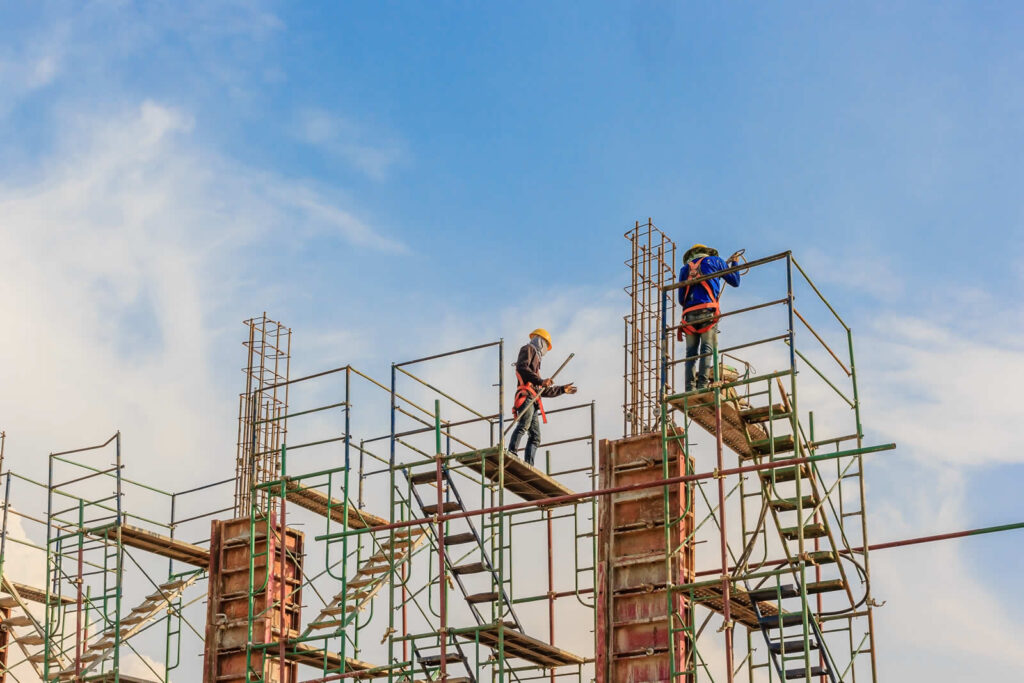
Bird proofing scaffolding gives installers safe access to high-level areas where birds are causing mess, nesting problems, blocked gutters, damaged solar panels or repeated maintenance issues. It can be used on homes, shops, offices, schools, hospitals, warehouses, hotels, churches, apartment blocks and industrial buildings.
Scaffold Calculator helps users understand likely scaffold access costs before requesting quotes. Whether the job involves pigeon spikes, bird netting, roofline mesh, solar panel bird proofing, gutter cleaning or high-level bird control access, the right scaffold depends on the building and the work being carried out.
Bird deterrent work is often needed in busy UK locations where buildings have ledges, signs, roof plant, canopies and sheltered areas. Scaffold access can make the installation safer, neater and more reliable.
A properly planned scaffold can also make it easier to combine bird proofing with roof maintenance, gutter repairs, cleaning and façade work during the same hire period.
Scaffold access for bird proofing is useful when deterrents need to be installed at height and the work cannot be completed safely from the ground. It gives installers a stable platform for fitting netting, spikes, mesh and other bird exclusion systems.
A small scaffold may be enough for a roofline, fascia, gutter or short ledge. Larger buildings may need a wider platform, multiple lifts, stair access, gantries or scaffold around several elevations.
Scaffold Calculator helps users compare bird proofing scaffold costs by explaining the main pricing factors. Height, access, deterrent type, hire duration, cleaning and location can all change the final quote.
The right access method matters. Poor access can lead to rushed installation, loose fixings and deterrents that fail sooner than expected.

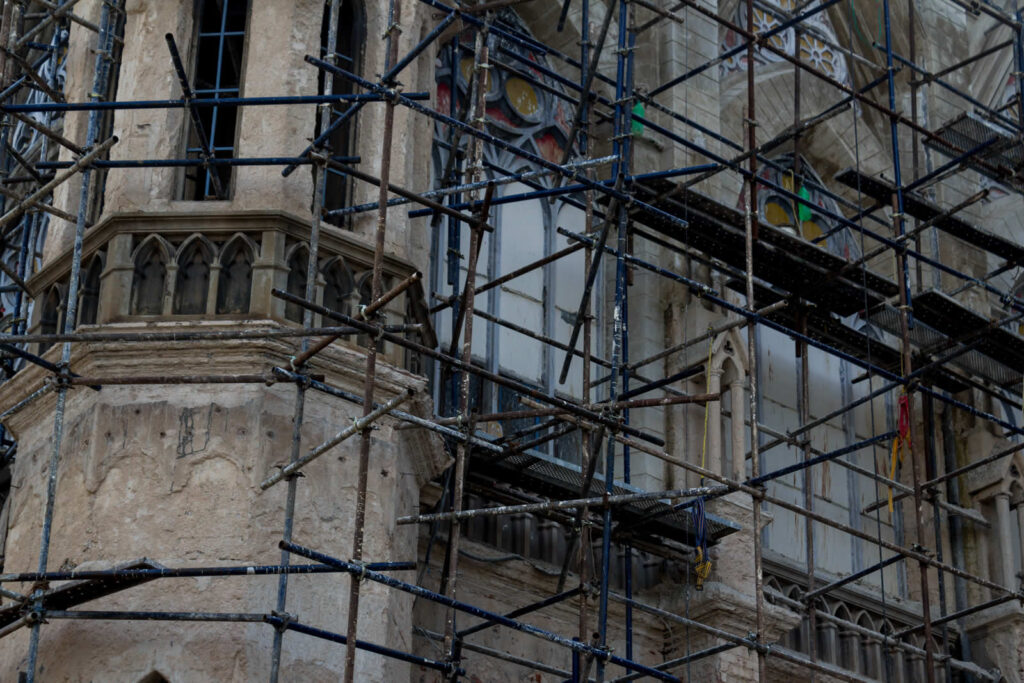
Pigeon netting and spike installation often need careful access because the deterrents must be fixed securely along the correct lines. Netting may need tensioned fixings around a roof void, courtyard, balcony, plant deck or loading bay, while spikes may need to run neatly along ledges, signs and parapets.
Scaffolding gives installers space to work properly, especially where several metres of deterrent need to be fitted. This can be more practical than repeatedly moving ladders or trying to work from unstable positions.
Bird netting, spikes and mesh all solve different problems. Netting blocks birds from entering larger areas, spikes discourage landing on narrow surfaces, and mesh is often used around solar panels or small gaps.
The cost depends on the scale of the area, the access needed and whether cleaning is required before installation.
Solar panel bird proofing scaffold is used when birds are nesting or sheltering beneath panels and safer roof access is needed. Mesh can be fitted around the panel edges to help stop pigeons getting underneath, while still allowing airflow around the system.
Scaffold access may be useful where the roof is high, steep, fragile or difficult to reach. It can also help if the installer needs to remove debris, check gutters or access panels on more than one roof slope.
Some solar panel bird proofing jobs can be completed without scaffold, but that depends on the property and the access method available. Safety should decide the access method, not just the lowest price.
Scaffold Calculator helps users estimate whether a small roofline scaffold, tower, platform or larger scaffold setup may be needed for the work.

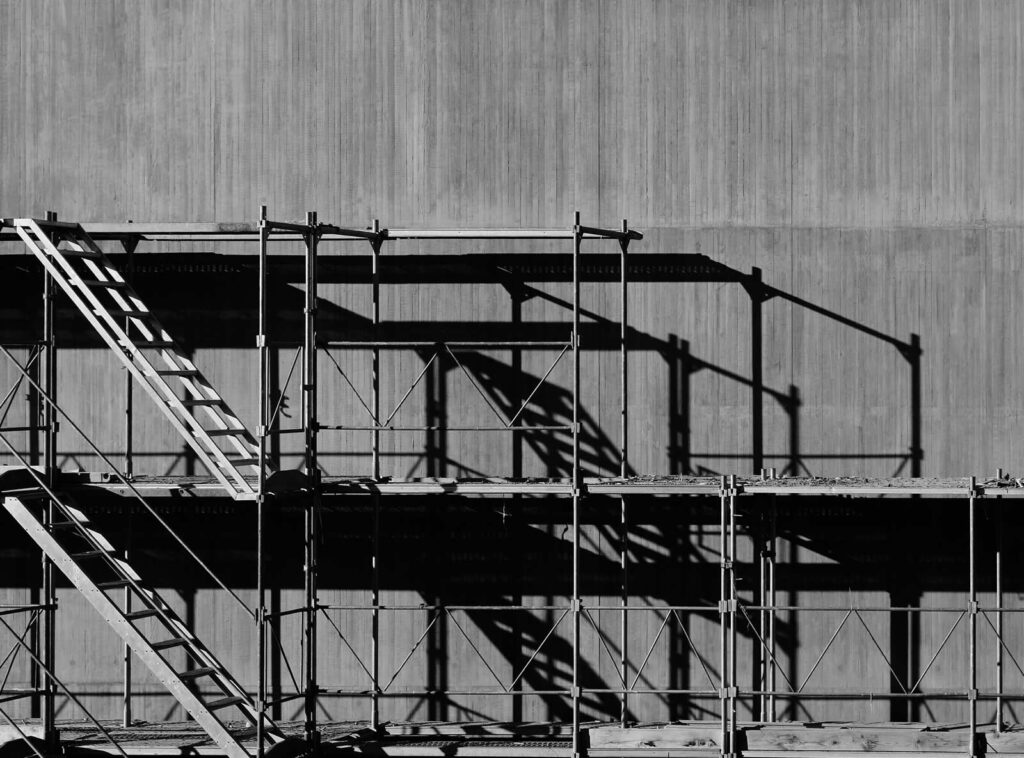
Bird proofing scaffolding can be used on many building types because bird problems are not limited to one sector. Pigeons and gulls often favour ledges, gutters, signs, sheltered roofs, recessed façades, plant areas and quiet roof spaces.
Common buildings include shops, offices, apartments, hotels, restaurants, schools, hospitals, warehouses, churches, factories, car parks and council buildings. Each site may need a different access plan depending on how people use the building.
A shop may need a scaffold that keeps the entrance open. A school may need work planned around pupils and staff. A warehouse may need access that does not block loading bays or vehicle routes.
The building type affects the scaffold cost because access, safety and disruption all need to be considered before the structure is erected.
You may need bird proofing scaffolding when bird mess, nesting, blocked gutters, damaged panels, noisy roosting or repeated cleaning problems are affecting the building. It is often needed when the problem area is too high or awkward to access safely without a temporary platform.
Bird proofing can help protect façades, rooflines, signs, entrances, solar panels, balconies and plant areas. It can also reduce future cleaning and maintenance problems where birds keep returning to the same sheltered places.
Scaffolding is especially useful when several jobs can be completed at once. Bird deterrents, gutter cleaning, roof repairs, ledge cleaning and inspections can often be arranged during the same hire period.
The main benefit is safe, controlled access. It gives installers enough room to work properly and helps make the bird proofing system more reliable.
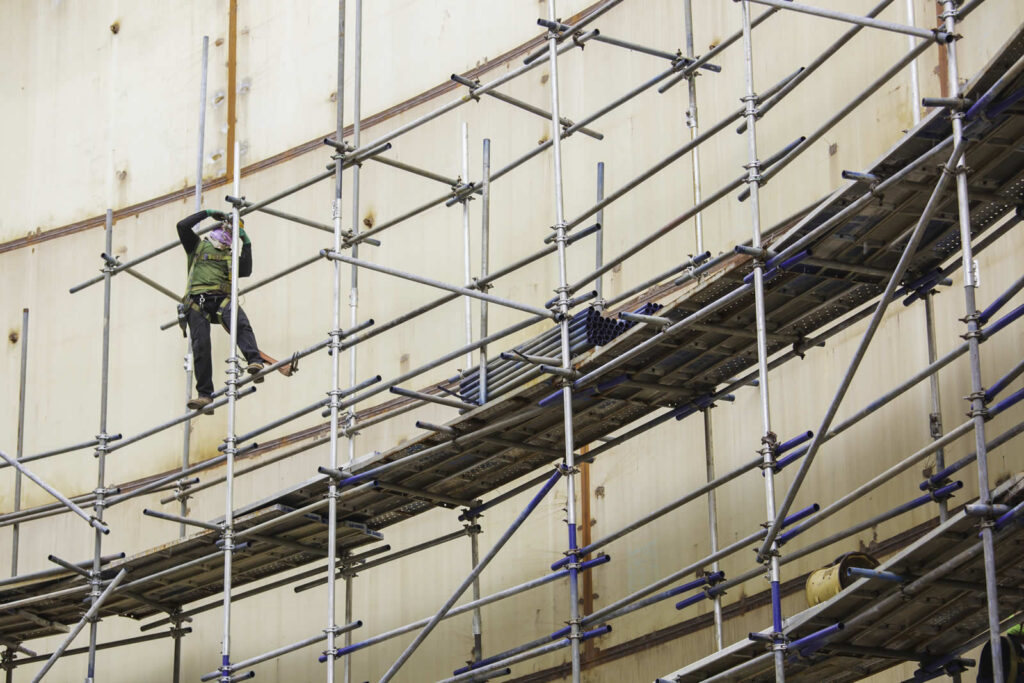
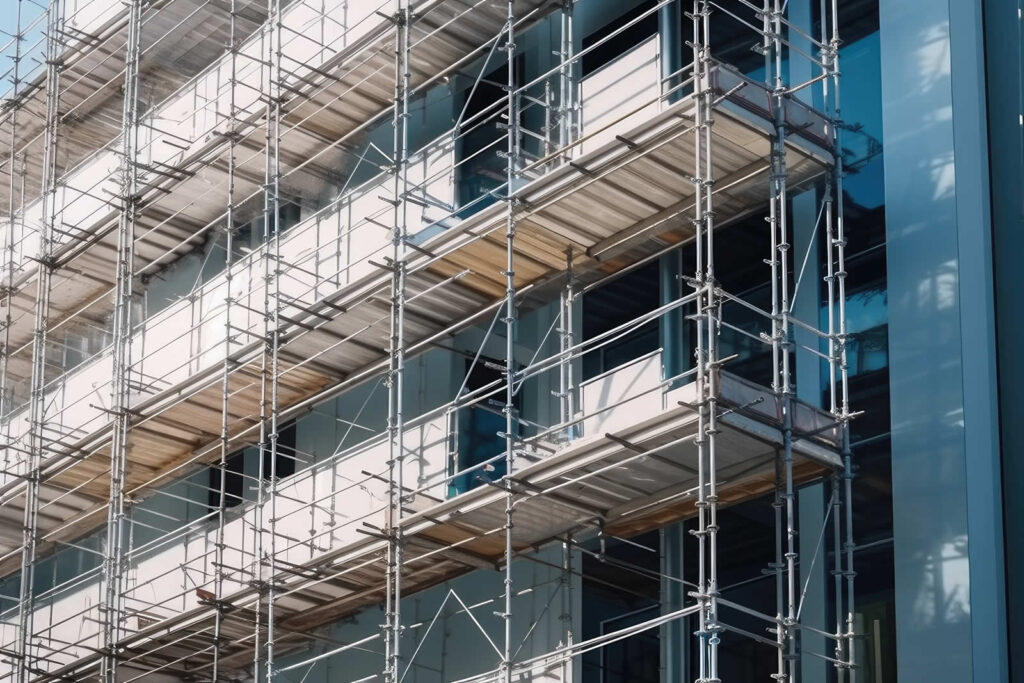
Scaffold Calculator helps users get a clearer idea of what bird proofing scaffold access may cost before contacting suppliers. It is useful when you need a rough budget for pigeon proofing, bird netting, roof mesh, spike installation or high-level cleaning work.
Bird proofing scaffold prices can be difficult to estimate because small details can change the quote. Extra height, difficult roof access, public areas, cleaning, longer hire, several elevations or specialist netting access can all increase the cost.
The website is designed to make scaffold pricing easier to understand for homeowners, landlords, facilities managers, business owners, contractors and commercial property managers.
It does not replace a site-specific quote, but it gives you a more informed starting point when comparing scaffold and bird proofing access options.
Bird proofing scaffolding is used across the UK for domestic, commercial, industrial and public-facing buildings. Costs can differ by region because labour rates, transport, parking, permits and access restrictions are not the same everywhere.
City-centre bird proofing jobs may involve busy pavements, active shopfronts, restricted parking, public entrances or out-of-hours work. Quieter sites may be simpler if access is clear and the scaffold can be installed without affecting the public.
Projects in London, Manchester, Birmingham, Sheffield, Leeds, Bristol, Liverpool, Nottingham, Newcastle, Cardiff, Leicester and Glasgow can vary depending on building type, height and local access conditions.
Scaffold Calculator helps users understand why bird proofing scaffold prices can change from one property to another, even when the bird problem looks similar.