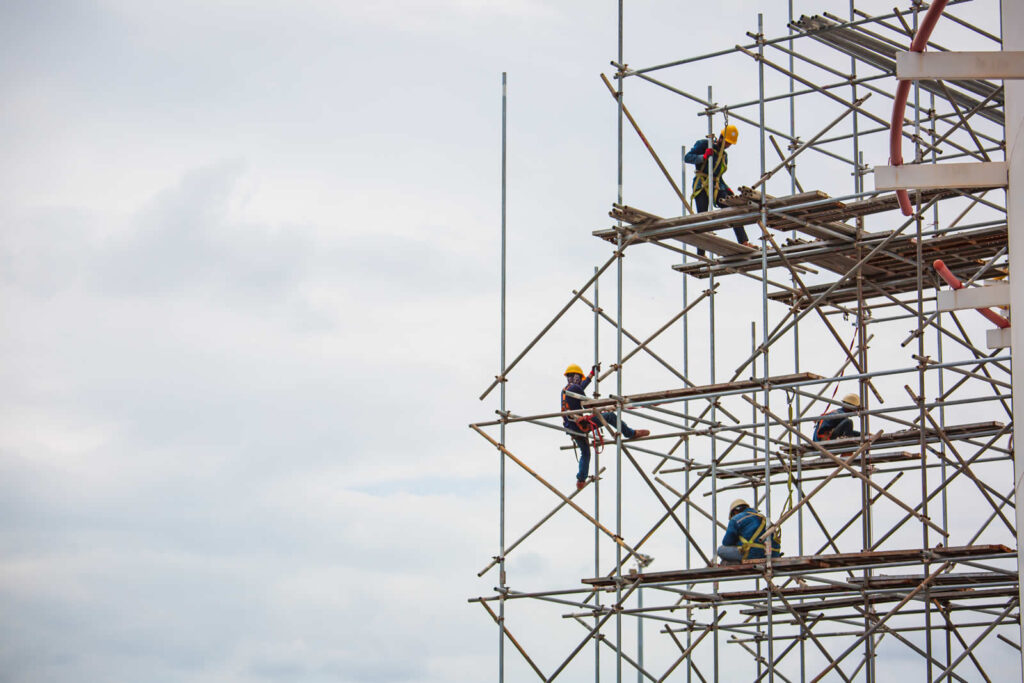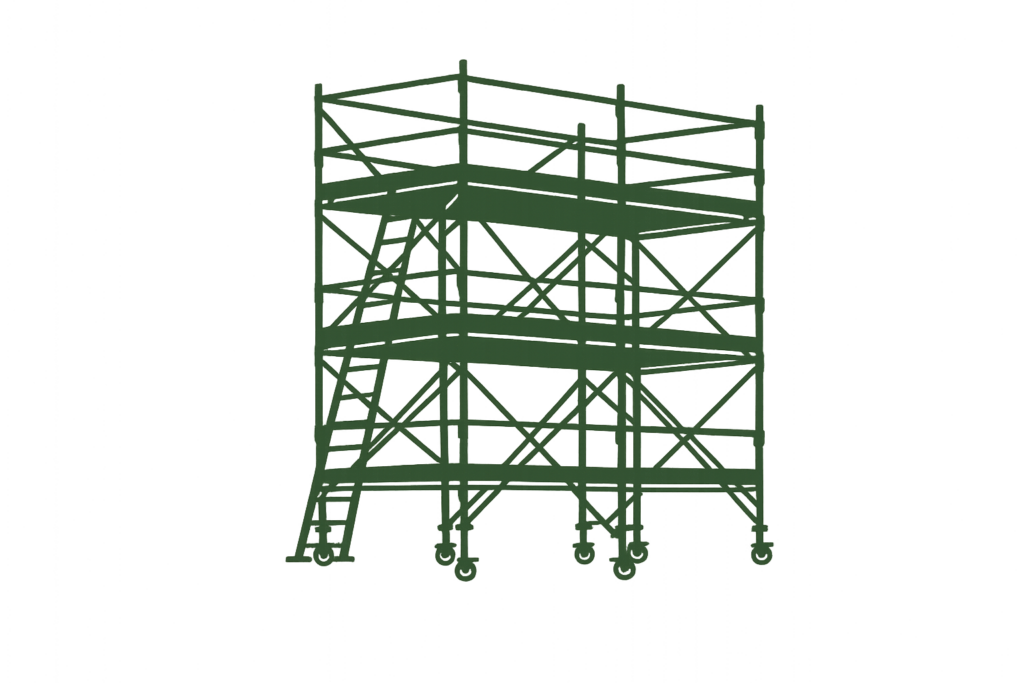
Edge Protection Scaffolding Cost Calculator
Estimate the likely cost of scaffold edge protection, temporary roof guardrails, perimeter safety rails and fall prevention systems for construction, roofing and refurbishment work.
Estimate the likely cost of scaffold edge protection, temporary roof guardrails, perimeter safety rails and fall prevention systems for construction, roofing and refurbishment work.
Find out what your scaffolding is likely to cost in minutes. Enter your property type, scaffold size, location, hire duration, and any common extras to receive a realistic guide price before requesting a formal quote.
Edge Protection Scaffolding is used to reduce the risk of falls from roof edges, floor edges, stair openings, exposed platforms, flat roofs, pitched roofs, balconies, terraces and construction phases where people could fall from height. It is normally made up of scaffold guardrails, toe boards, posts, rails, barriers or scaffold-based perimeter protection installed around the danger area before roofers, builders or other trades begin work.
For 2026, small edge protection scaffold hire may start from around £350 to £900 for a short section of guardrail or simple roof edge protection. Medium scaffold edge protection for house roofs, extensions, flat roofs, refurbishments or small commercial buildings may sit between £900 and £3,500. Larger perimeter edge protection scaffolds for warehouses, apartment blocks, schools, offices, construction sites or multi-phase projects can range from £4,000 to £18,000+ depending on length, height, access, design, hire period and public-facing safety requirements.
Edge protection scaffolding is used wherever there is an exposed edge that could create a fall risk. It is common during roof repairs, re-roofing, solar panel installation, guttering, cladding, fascia work, flat roof replacement, steelwork, timber frame construction, loft conversions, extensions, demolition, new-build construction and commercial maintenance.
It can be used on houses, shops, offices, schools, hospitals, warehouses, factories, hotels, apartment blocks, public buildings and industrial units. The purpose is simple: create a physical barrier before the work starts, so trades do not rely only on personal awareness, ladders, harnesses or makeshift protection.
The process normally begins with a risk assessment and site survey. The scaffold company needs to understand where the fall risk exists, what work will be carried out, how long the edge protection is needed, whether the roof is flat or pitched, how people will access the area, and whether the building remains occupied. Photos may be enough for a simple domestic job, but larger commercial sites, fragile roofs, public-facing projects and multi-level buildings usually need more detailed assessment.
After the survey, the edge protection layout is planned. This stage decides where guardrails, toe boards, posts, scaffold standards, working platforms, access towers and barriers will sit. The scaffold contractor also checks whether the structure needs to protect only the roof edge, or whether it must also protect openings, stairwells, skylights, loading areas, balconies, plant zones or unfinished floor edges.
Once the layout is agreed, the erection sequence is planned. The scaffold materials are delivered, the working area is segregated, and the scaffolders install the protection in a controlled order. On roof projects, the aim is to get guardrails and toe boards in place before other trades start working near the edge. On construction sites, edge protection may need to follow the build programme as floors, roof sections or structural phases progress.
After installation, the scaffold edge protection is inspected before use. Guardrails, toe boards, access points, ties, fixings, base conditions and any working platforms should be checked. The handover stage is important because users need to know what the edge protection is designed for, what areas it covers, where safe access points are located and whether any parts must not be altered.
During the project, the edge protection may need regular inspections, especially after severe weather, alterations, impact, roof changes or phased construction work. When the job is complete, the scaffold is dismantled in a controlled sequence so workers are not left exposed while the protection is being removed.
A small temporary guardrail system for a domestic roof edge, extension, garage roof or short flat roof may cost around £350 to £900. A more involved roof edge protection scaffold for a two-storey house, re-roofing job, solar panel installation, chimney work or gutter replacement may cost around £900 to £2,500 depending on length, height and hire duration.
For larger projects, temporary roof scaffolding, commercial edge protection and full perimeter scaffold guardrail systems can cost considerably more. Edge protection around an apartment block, school, warehouse, office building or construction site may range from £4,000 to £18,000+ where long runs, high-level access, public protection, phased work or specialist design are needed.
The installation process has a major effect on the final quote. A short, accessible roof edge with clear ground below is usually quicker to protect than a long perimeter on a tall building with awkward access, uneven ground, fragile roofing or public footpaths nearby. If the scaffold has to be installed outside working hours, carried through restricted areas or tied into a wider scaffold system, the price can rise.
The type of protection also matters. A simple scaffold handrail arrangement may be cheaper than a full perimeter scaffold with boarded lifts, toe boards, access stairs, debris netting, loading areas and public-facing protection. The more the edge protection has to do, the more materials, labour and inspection time it will need.
The best way to control edge protection scaffold hire costs is to be clear about which edges need protecting and what work will take place near them. A roofer replacing a few tiles may need a different arrangement from a contractor carrying out full roof replacement, cladding, solar installation or multi-trade refurbishment.
It also helps to coordinate the work while protection is in place. Roof repairs, guttering, fascia work, chimney access, solar panel work, painting, cladding and inspections can often use the same edge protection scaffold if the hire window is planned properly. Scaffold Calculator helps users compare likely edge protection scaffolding costs before requesting quotes in places such as London, Manchester, Birmingham, Leeds, Sheffield, Bristol, Liverpool, Nottingham, Cardiff and Glasgow.
Estimated costs for scaffold edge protection, roof guardrails, perimeter rails and temporary fall prevention systems. Guide prices only.
Edge protection scaffolding can cost from around £350 for a small short-run guardrail setup to £18,000+ for large commercial or phased construction projects. Most domestic roof edge protection jobs sit between £900 and £2,500, depending on length, height, access and hire duration.
Commercial perimeter protection costs more because it may involve longer runs, higher elevations, public areas, access towers, boarded lifts, inspections and longer hire periods.
Scaffold Calculator gives a useful guide price, but an accurate quote depends on measurements, roof type, site access and the work being carried out.
Edge protection scaffolding is a temporary scaffold-based safety system installed around exposed edges to reduce the risk of falls. It usually includes guardrails, toe boards, scaffold standards, barriers or rails positioned around roofs, floors, platforms, balconies, stair openings or construction edges.
It is commonly used for:
The main aim is to create a physical barrier before trades work near the edge.
Edge protection is needed when there is a risk of someone falling from an exposed edge during work at height. This can include roof edges, unfinished floors, stairwells, balconies, lift shafts, mezzanines, scaffold platforms and construction openings.
The need depends on the height, type of work, duration, access method and risk level. Roof work, cladding, guttering, solar panel installation and construction phases often need some form of perimeter protection.
It should be planned before the work starts, not added after trades are already working near the edge.
The process starts with a site survey and risk assessment. The scaffold contractor checks the exposed edges, roof type, access route, ground conditions, working height and the tasks being carried out near the edge.
The layout is then planned so guardrails, toe boards, access points and support positions cover the required areas. Materials are delivered, the work zone is segregated and the scaffold edge protection is installed in a controlled sequence.
Before use, the completed system should be inspected and handed over so workers understand where the protection is, how it should be used and what must not be altered.
Edge protection is not exactly the same as general scaffolding, although it is often built using scaffold components or attached to a scaffold system. Standard scaffolding usually provides access and working platforms, while edge protection is mainly there to prevent falls from exposed edges.
Some projects need both. For example, a roof scaffold may include working platforms and perimeter guardrails, while a flat roof job may only need a temporary edge protection rail system.
The right setup depends on whether workers need full access, fall prevention, material handling or a combination of all three.
Roof work often needs edge protection because roof edges are one of the main fall hazards. The requirement depends on roof height, slope, fragility, work duration and whether people will work near the perimeter.
For pitched roofs, edge protection may be combined with scaffold lifts, guardrails and working platforms. For flat roofs, temporary guardrails may be installed around the perimeter.
Short jobs still need planning. A small task does not remove the need to control the fall risk properly.
Yes, edge protection is commonly used on flat roofs during repairs, inspections, plant maintenance, solar panel work, waterproofing and roof replacement. Flat roofs can look safer than pitched roofs, but the edge still creates a fall risk.
Temporary flat roof guardrails can be installed around the perimeter or around specific work zones. The system may be freestanding, fixed, scaffold-based or linked to other access equipment depending on the roof and job.
The cost depends on perimeter length, access, roof surface, installation method and hire period.
Yes, edge protection can be used on pitched roofs, but the setup usually needs more planning than a simple flat roof rail. The scaffold may need to rise to the eaves, include guardrails and toe boards, and provide a working platform for roofers.
Pitched roof edge protection is common during re-roofing, chimney work, tile repairs, solar panel installation, guttering and fascia replacement.
The scaffold should be arranged so workers are protected before they access the roof edge or begin work on the slope.
The main price factors are the length of edge being protected, height, access, hire duration, roof type, installation method and whether the work is domestic, commercial or public-facing. Longer runs and higher buildings usually cost more.
Other cost factors include:
The more complex the edge and access arrangement, the more time and materials are needed.
Toe boards are often needed where there is a risk of tools, materials or debris falling from the working area. They also help define the edge of a platform and form part of a complete scaffold edge protection arrangement.
Whether toe boards are required depends on the work, platform type and risk below. Public areas, entrances, roads and occupied sites usually need more careful protection.
If toe boards are needed, they should be included in the scaffold quote rather than treated as an optional extra after installation.
Yes, scaffold edge protection should be inspected before use and during the hire period. It should also be checked after alteration, impact, severe weather or any change that may affect stability.
Inspections are especially important on roof projects because wind, weather, material movement and ongoing trade activity can affect the system.
The scaffold company should explain inspection arrangements and whether ongoing checks are included in the hire price.
Yes, edge protection can be installed around skylights, rooflights and openings where there is a risk of falling through or into them. Rooflights can be fragile, so they should not be treated as safe walking surfaces.
Protection may include barriers, covers, scaffold rails or exclusion zones depending on the roof and work being carried out.
When requesting quotes, point out any rooflights, openings, fragile panels or access hatches so they can be included in the safety plan.
Yes, edge protection scaffolding is commonly used on commercial buildings such as offices, shops, schools, hospitals, warehouses, factories, hotels and apartment blocks. These projects often involve roof maintenance, cladding, guttering, solar panels, plant access or refurbishment work.
Commercial edge protection may need longer runs, more access points, public protection, phased installation and out-of-hours work.
The cost is usually higher where the building remains occupied or where staff, customers, tenants or pedestrians are close to the work area.
Yes, edge protection is often installed before roofers, solar installers, guttering contractors or cladding teams begin work. This is usually the safest approach because the fall protection is already in place before trades access the roof edge.
The scaffold contractor and main contractor should agree the sequence so workers are not exposed during setup, access or handover.
Planning the installation before the main work starts can reduce delays and make the site easier to manage.
Edge protection should not be moved, removed or altered by unauthorised workers. Changing guardrails, toe boards, ties or scaffold sections can create unprotected edges and make the system unsafe.
If the work area changes, the scaffold contractor should alter the protection properly and inspect it again before use.
For phased projects, it is better to plan movement and alteration points before the scaffold is erected.
A small edge protection scaffold may be installed in a few hours, while larger perimeter systems can take a full day or several days. The time depends on length, height, access, roof type, number of elevations and whether the building is occupied.
Installation can take longer where the scaffold must be carried through restricted areas, built around fragile roofs or placed beside public pavements.
Dismantling is often quicker than erection, but it still needs to be controlled so workers are not left exposed during removal.
Yes, edge protection is often used with temporary roof scaffolding. A temporary roof may need perimeter guardrails, access platforms, toe boards and safe routes for installers before roof sheeting or weather protection is fitted.
Edge protection can also help roofers work safely around the perimeter while the temporary roof or main roof repairs are in progress.
The quote should make clear whether edge protection is included as part of the temporary roof scaffold or priced separately.
A permit may be needed if the edge protection scaffold stands on a public pavement, road, highway or shared public area. This is more likely on city-centre buildings, shops, offices, schools and properties close to the pavement.
If the protection is entirely on private land or on a roof, a pavement permit may not be needed, but the structure still needs to be installed safely.
When comparing quotes, check whether pavement licences, lighting, barriers and public protection are included.
Compare edge protection scaffold quotes by checking the full specification, not just the price. Make sure each quote covers the same length, height, number of elevations, hire period, access points, guardrails, toe boards, inspections and dismantling.
Also check whether VAT, permits, out-of-hours work, extra hire weeks, alterations, public protection and temporary access towers are included.
A cheaper quote may not be better if it leaves out the parts needed to protect the actual work area properly.
To get an edge protection scaffolding quote, provide photos, measurements, roof type, property height, access details and a clear explanation of the work taking place near the edge.
Useful details include:
Scaffold Calculator can help you understand rough edge protection scaffold prices before requesting formal local quotes.

Edge protection scaffolding gives roofers, builders, solar installers, cladding contractors and maintenance teams a safer way to work near exposed edges. It is used around rooflines, flat roofs, pitched roofs, stair openings, balconies, unfinished floors, plant areas and construction phases where a fall risk exists.
Scaffold Calculator helps users understand likely scaffold edge protection costs before requesting quotes. Whether the job involves roof edge protection, scaffold guardrails, temporary roof rails, perimeter protection, toe boards, public-facing barriers or construction site fall prevention, the setup needs to match the risk.
The process usually starts with a survey of the exposed edge and the work being carried out. The scaffold company checks the roof type, height, access, fall risk, public interface and whether the protection needs to work alongside full scaffolding, temporary roofing or other access systems.
A properly planned edge protection scaffold helps trades work more confidently and reduces reliance on improvised access. It also gives the site a clearer boundary between safe working areas and exposed edges.
Edge protection scaffold hire is used when a temporary barrier is needed around an exposed roof edge, floor edge, stair opening or construction phase. It can be a small guardrail system for a short roof repair or a full perimeter scaffold arrangement for larger building work.
The quote process should start with the hazard, not just the building size. The scaffold contractor needs to know where someone could fall, what work is being carried out, how long the protection is needed and whether trades need access platforms as well as guardrails.
Once the requirement is clear, the layout can be planned properly. The system may include scaffold rails, toe boards, working lifts, access towers, barriers, ties, base plates and protection around rooflights or openings.
Good planning matters because edge protection is there before the main work begins. If the protection is incomplete, poorly placed or removed too early, the work area can become unsafe very quickly.

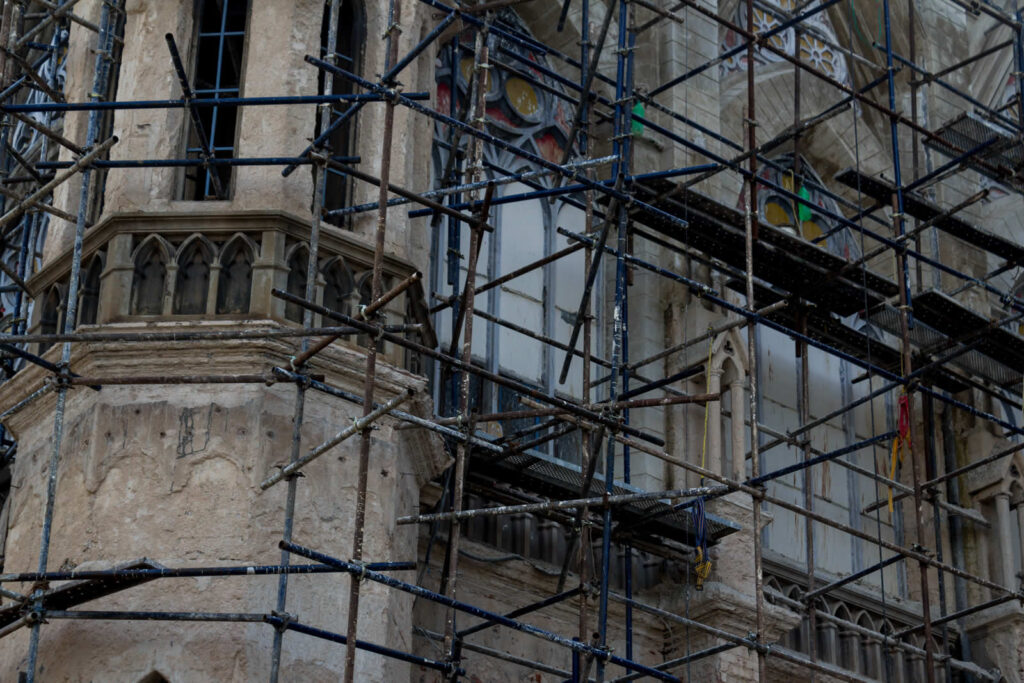
The installation process begins by preparing the area and confirming the safe setup sequence. The scaffold team checks the ground, roof access, fixing points, perimeter length and any fragile areas before materials are lifted or positioned.
The scaffold is then installed in stages. Standards, rails, boards, braces, toe boards and access points are added according to the planned layout. On roof work, the goal is to create protection before other trades are exposed to the edge.
For larger jobs, installation may be phased. One section may be protected first, then extended as the project moves around the building. This is common on construction sites, roof replacements, cladding projects and large commercial maintenance works.
After installation, the edge protection should be inspected and handed over. Workers should know which areas are protected, how to access the work zone safely and why guardrails or toe boards must not be moved without authorisation.
Edge protection is widely used during roofing and construction because exposed rooflines, unfinished floors and open perimeters create obvious fall risks. It can be installed before roofers start stripping tiles, before solar panels are fitted, before cladding teams work on elevations or before builders open up high-level areas.
The process depends on the work sequence. On a roof job, protection may be installed around the eaves before roof covering work begins. On a construction site, guardrails may need to move as floors, frames, roof structures or perimeter zones are completed.
Good edge protection should support the way the job is actually carried out. It should not block essential work, but it must still keep people away from unsafe edges.
Planning the protection early helps reduce delays. Trades can begin with safer access already in place rather than waiting for extra barriers after the site is active.

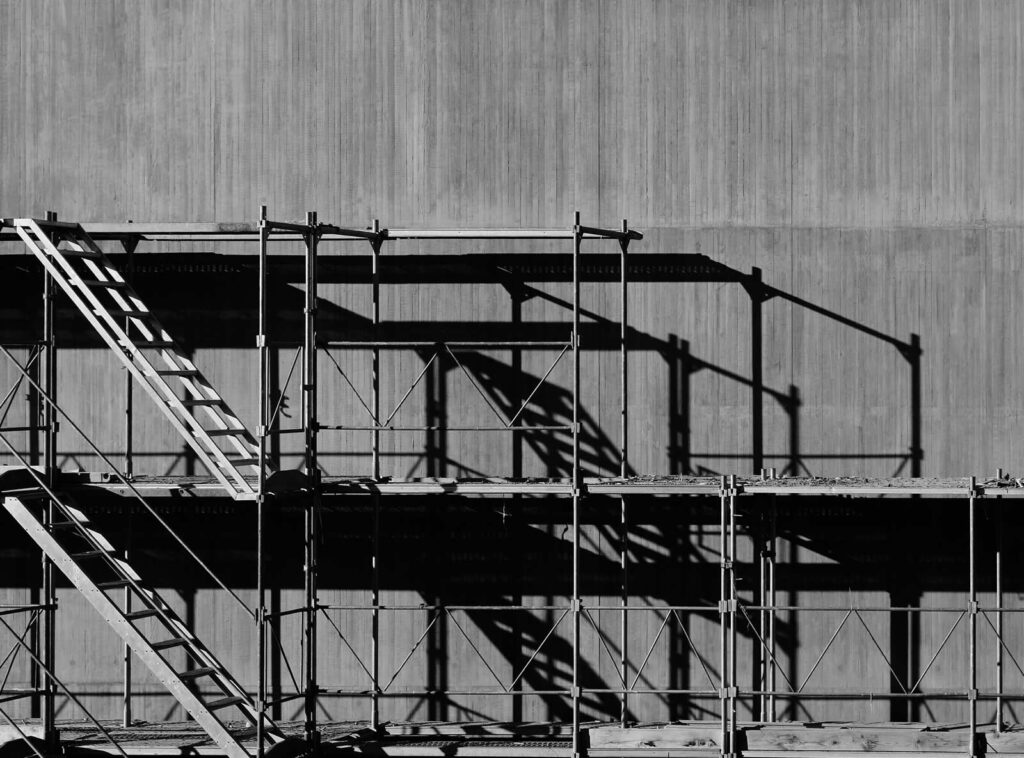
Roof edge guardrails and toe boards are common parts of scaffold edge protection. Guardrails help stop people falling from the edge, while toe boards help stop tools, materials and debris from being kicked or dropped from the platform.
The setup process involves positioning the protection so it covers the real hazard. On a roof, that may mean the eaves, gable ends, valleys, roof access points, skylights and any exposed openings. On a construction floor, it may mean perimeter edges, stairwells, lift shafts and unfinished slab edges.
Guardrails must be practical for the work taking place. If they are placed badly, trades may be tempted to work around them or move them, which defeats the purpose.
A good edge protection system balances access and safety. It should let trades do the job while keeping exposed edges physically protected throughout the work.
You may need edge protection scaffolding if people will be working near a roof edge, flat roof perimeter, pitched roof eaves, open stairwell, balcony, exposed slab edge or unfinished construction opening. It is used where a simple ladder or tower would not control the risk properly.
Edge protection is useful for roof replacement, tile repairs, guttering, fascia work, solar panel installation, cladding, steelwork, timber frame construction, demolition, inspections and commercial maintenance.
The main benefit is that it creates a physical barrier before people work near the edge. This makes the site easier to manage and reduces reliance on people remembering to stay away from danger areas.
When planned properly, edge protection can also improve productivity because trades can work around the perimeter without constantly stopping to reposition short-term access equipment.
Scaffold Calculator helps users get a clearer idea of what edge protection scaffold hire may cost before contacting suppliers. It is useful when you need a rough budget for roof edge rails, scaffold guardrails, toe boards, fall prevention systems or perimeter protection.
Edge protection prices can be difficult to estimate because the cost depends on the length of edge, working height, roof type, access, hire duration and whether the building is domestic, commercial or public-facing.
The website is designed to make scaffold pricing easier to understand for homeowners, roofers, builders, contractors, landlords, site managers, facilities managers and commercial property teams.
It does not replace a site-specific quote, but it gives you a more informed starting point when comparing edge protection scaffolding options.
Edge protection scaffolding is used across the UK for domestic, commercial, industrial and public-sector projects. Costs vary by region because labour rates, transport, parking, access restrictions, public protection and local demand differ from one area to another.
A short roof edge protection job on a quiet detached property may be quicker to install than perimeter protection around an occupied school, office, warehouse or city-centre shop. Public-facing projects often need more planning, more barriers and closer control of the installation sequence.
Projects in London, Manchester, Birmingham, Sheffield, Leeds, Bristol, Liverpool, Nottingham, Newcastle, Cardiff, Leicester and Glasgow can vary depending on roof type, building height, access and whether permits are needed.
Scaffold Calculator helps users understand why edge protection scaffold costs can change from one project to another, even when the protected edge length looks similar.