Birdcage Scaffolding Cost Calculator
Estimate the likely cost of birdcage scaffolding, indoor scaffold platforms, ceiling access scaffolds, crash deck-style platforms and large area scaffold decks before requesting formal quotes.
Estimate the likely cost of birdcage scaffolding, indoor scaffold platforms, ceiling access scaffolds, crash deck-style platforms and large area scaffold decks before requesting formal quotes.
Find out what your scaffolding is likely to cost in minutes. Enter your property type, scaffold size, location, hire duration, and any common extras to receive a realistic guide price before requesting a formal quote.
Birdcage Scaffolding is a freestanding grid scaffold platform used when trades need safe, stable access across a wide internal or enclosed area rather than one narrow elevation. It is commonly used for ceiling work, plastering, lighting installation, M&E work, ducting, painting, warehouse maintenance, school halls, atriums and large rooms where a mobile tower would need to be moved too often.
For 2026, a small internal birdcage scaffold may start from around £650 to £1,250 for a straightforward short-duration job. A more substantial birdcage access platform for domestic, school, retail or light commercial work may sit between £1,400 and £3,500, depending on the floor area, deck height, loading requirement and hire period. Larger commercial birdcage scaffolding, crash deck platforms or high-level scaffold decks can rise from £4,000 to £12,000+ where design, heavy loading, difficult access, phased installation or out-of-hours work is involved.
The biggest cost factors are deck size, working height, loading, number of lifts, access into the building, hire duration and how much labour is needed to erect the scaffold safely. A low birdcage scaffold for decorating a small hall will normally cost less than a high indoor scaffold platform built across a warehouse, theatre, church, gym, shopping unit or commercial atrium.
Location also matters. Birdcage scaffolding prices in London, Manchester, Birmingham, Leeds, Sheffield, Bristol, Liverpool, Newcastle, Nottingham, Cardiff, Glasgow, Leicester and Southampton can differ because labour rates, transport costs, parking restrictions, access times and site rules vary. City-centre jobs may need more planning if materials have to be carried through narrow entrances, lifted between floors or installed outside normal working hours.
A small birdcage scaffold for ceiling repairs, painting or plastering in a room, hall or domestic extension may cost around £650 to £1,500 for a short hire period. A larger internal birdcage scaffold for suspended ceilings, lighting, ventilation, ductwork or M&E installation may sit closer to £1,500 to £4,000. Where the structure covers a large floor area, supports several trades or needs a higher working deck, prices usually increase because more standards, ledgers, transoms, boards and labour are required.
For larger projects, temporary roof scaffolding, crash deck scaffolds, birdcage scaffold platforms and high-level access decks can become more expensive. A commercial birdcage scaffold for a warehouse, school sports hall, theatre, church, retail unit or atrium may range from £4,000 to £12,000+ depending on floor area, height, loading, access conditions and how long it remains in place.
Most birdcage scaffold quotes include an initial hire period, commonly two to four weeks for smaller setups and four to six weeks for larger indoor scaffold platforms. After that, weekly hire charges may apply. If ceiling work, decoration, lighting, ducting, fire protection, sprinkler installation or M&E work overruns, the final cost can increase even when the original installation price looked reasonable.
Site conditions make a major difference. Narrow doorways, stair access, finished floors, fragile surfaces, restricted working hours, occupied buildings, high ceilings and poor loading areas can all increase labour time. A simple grid scaffold platform in an empty unit may be quick to install, while a birdcage scaffold in a busy Birmingham school, a central London theatre, a Manchester warehouse or a Bristol retail space may need more protection, supervision and planning.
The best way to control birdcage scaffold hire costs is to be clear about what the platform must do. A scaffold deck for light painting or ceiling inspection may not need the same specification as a platform for multiple trades, heavy materials, mechanical installation, ductwork or public-building refurbishment.
It also helps to plan the hire period carefully. If plastering, decorating, lighting, electrical work, ventilation, fire alarms, sprinkler installation and ceiling repairs all need high-level access, arrange them during the same hire window where possible. Comparing several local quotes through Scaffold Calculator can help you understand whether you need a small internal birdcage scaffold, a full commercial birdcage platform, a crash deck, a mobile tower or another scaffold birdcage system.
Estimated costs for birdcage scaffold hire, indoor scaffold platforms, ceiling access scaffolds and large area scaffold decks. Guide prices only.
Birdcage scaffolding costs in the UK usually depend on the platform size, height, loading, access conditions and hire period. A small birdcage scaffold for a straightforward internal job may start from around £650 to £1,250, while a larger commercial birdcage scaffold can cost several thousand pounds.
Big internal scaffold platforms cost more because they need more standards, ledgers, transoms, boards, bracing and labour. A birdcage scaffold for a school hall, warehouse, church, atrium or retail unit will usually cost more than a small ceiling access scaffold in a domestic property.
Scaffold Calculator gives useful guide prices, but the most accurate figure comes from a quote based on measurements, photos, ceiling height, deck size and site access.
Birdcage scaffolding is used to create a broad, stable working platform across an internal area. It is especially useful where trades need access to ceilings, overhead services, lighting, ductwork, ventilation, sprinklers, plasterwork or high-level decoration.
Common uses include:
It is often chosen where ladders or mobile towers would be slower, less stable or less practical across a wide working area.
It is called birdcage scaffolding because the structure is built as a grid of vertical standards and horizontal members, creating a box-like frame that can resemble a cage. The name describes the layout rather than a special material.
The scaffold usually has several rows of standards connected together, with a boarded platform above. This creates a large working deck at a consistent height, which makes it useful for ceilings and overhead internal work.
The term is commonly used for indoor scaffold platforms, ceiling scaffold decks, crash deck-style platforms and large area scaffold structures.
Birdcage scaffolding is most commonly used indoors because it is ideal for ceilings, halls, atriums, warehouses and large enclosed spaces. However, it can also be used in covered or external situations where a wide freestanding scaffold platform is needed.
Indoor use is more common because the structure works well on level floors and gives trades a broad working deck. In places such as schools, churches, retail units and commercial buildings, it can make overhead work much easier to manage.
External birdcage-style scaffolds may need extra consideration for ground conditions, weather, stability and loading.
Birdcage scaffolding and crash decks can look similar, but they are not always the same thing. A birdcage scaffold is normally built to provide a working platform for trades. A crash deck is often designed to help reduce fall distance or provide protection beneath work taking place above.
Some scaffold structures can act as both a birdcage platform and a crash deck if they are designed for that purpose. The required specification depends on whether the main need is working access, fall protection, material support or a combination of uses.
This is why design and loading need to be discussed before comparing quotes. A simple ceiling access scaffold will not always be suitable as a crash deck.
The biggest pricing factors are floor area, working height, deck loading, site access, installation time, hire duration and location. A small low-level birdcage scaffold will cost much less than a high commercial platform covering a large hall or warehouse.
Other price factors include:
Regional labour and logistics also affect the final price, especially in London, Manchester, Birmingham, Leeds, Bristol and Liverpool.
Yes, birdcage scaffolding is one of the most common scaffold types for ceiling work. It provides a stable platform across a broad area, which means plasterers, decorators, electricians and maintenance teams can work at height without constantly moving towers or ladders.
It is often used for suspended ceilings, ceiling painting, ceiling repairs, lighting upgrades, fire alarm work, ducting and ventilation access. The working deck can be set at a suitable height so trades can reach the ceiling safely and work more efficiently.
The cost depends on the room size, ceiling height, floor protection, access into the building and how long the scaffold needs to stay in place.
Yes, birdcage scaffolding is often used in schools, sports halls, assembly halls, leisure centres, churches and community buildings. These spaces often have high ceilings, lighting rigs, acoustic panels, ventilation systems or decorative features that need safe access.
School and public-building projects may need careful scheduling around opening hours, term dates, safeguarding rules and public access. Some jobs may need evening, weekend or holiday installation to avoid disruption.
A school hall birdcage scaffold in Manchester, Birmingham, Sheffield, Leeds or Bristol may cost more if access is restricted or the scaffold has to be installed during a limited time window.
A birdcage scaffold is usually better than a mobile tower when trades need access across a large area for a sustained period. A mobile tower is useful for small, isolated tasks, but it has to be moved and repositioned as the work progresses.
A birdcage scaffold gives a continuous platform, which can be safer and more efficient for ceiling work, lighting installation, plastering, painting, ducting or M&E work. It also allows more than one person or trade to work across the area when the scaffold is designed for that use.
For very small jobs, a mobile tower may be cheaper. For larger overhead work, a birdcage access platform often makes more practical sense.
Birdcage scaffolding may be priced as a fixed job, a square metre rate, or a custom scaffold quote based on labour and materials. Smaller birdcage scaffolds are often priced according to how long they take to erect, while larger platforms are more likely to be assessed by size, height and complexity.
The quote may include delivery, erection, hire period and dismantling. It may not always include VAT, floor protection, out-of-hours labour, alterations, inspections or extra hire weeks, so those details should be checked before accepting a price.
Scaffold Calculator uses guide price ranges to help users understand likely costs before requesting formal local quotes.
Yes, birdcage scaffolding is widely used for lighting installation and replacement, especially in halls, warehouses, offices, retail units, churches and public buildings. It gives electricians a stable platform across the working area rather than relying on repeated tower movements.
It can be useful for LED upgrades, emergency lighting, high-bay lighting, suspended lighting, theatre lighting and ceiling-mounted electrical work. The deck can also help when several fittings need to be reached across the same ceiling.
The scaffold should be designed around the height, layout, floor loading and number of people using the platform.
Birdcage scaffolding usually needs guardrails where there is a risk of falling from the platform edge or through an opening. Toe boards, safe access points and edge protection may also be required depending on the height, layout and use of the scaffold.
Some birdcage platforms are built close to surrounding walls or within enclosed spaces, but that does not remove the need for proper assessment. Open edges, stair openings, lift shafts, voids and incomplete deck areas must be considered.
Guardrails can add to the cost, but they are a normal part of safe scaffold design when edge protection is needed.
Birdcage scaffolding can usually stay up for the agreed hire period, provided it remains safe, suitable and inspected as required. Many scaffold hire quotes include two to four weeks for smaller jobs and four to six weeks for larger commercial platforms.
If the project runs longer than expected, weekly hire extensions may be charged. This often happens when several trades use the same platform for ceiling work, electrical installation, ducting, sprinklers, decorating and final inspections.
Longer hire periods should be discussed before the scaffold is erected so the total cost is easier to predict.
Yes, birdcage scaffolding should be inspected by a competent person where inspection requirements apply. Inspections are especially important after erection, after alteration, after events that could affect stability and during ongoing use.
The level of inspection depends on the type and complexity of the scaffold. A small internal platform may be simpler than a large commercial birdcage scaffold, but both still need to be safe for the people using them.
Inspection arrangements should be confirmed with the scaffold provider. They may be included in the quote or charged separately depending on the hire terms.
Yes, birdcage scaffolding is commonly used in warehouses and industrial units where workers need access to high ceilings, lighting, roof structure, ventilation, sprinkler systems or overhead services. A large area scaffold platform can give maintenance teams a stable working deck across the required zone.
Warehouse jobs may need careful planning around racking, machinery, forklift routes, loading bays, floor slabs and working hours. The scaffold may also need to be phased so parts of the building can remain operational.
A warehouse birdcage scaffold in Liverpool, Leeds, Manchester, Birmingham or Nottingham can vary widely in cost depending on size, height and how much disruption the site can allow.
Birdcage scaffolding is easiest to install on level floors, but scaffolders can sometimes design access around uneven areas, steps or split-level spaces. The scaffold must be stable, properly supported and suitable for the loads placed on it.
Uneven floors, finished surfaces, sloped areas or changes in level usually increase the cost because the scaffold takes longer to erect and may need extra components or protection. Stairs and awkward internal access can also make material handling slower.
The site should be assessed before pricing. Photos, dimensions and floor details help the scaffold company decide whether a birdcage scaffold is suitable.
Several trades can use a birdcage scaffold at the same time if the scaffold has been designed and loaded for that use. This is one reason birdcage platforms are popular on commercial refurbishment, fit-out and M&E projects.
For example, electricians, decorators, plasterers, ventilation engineers and fire protection installers may all need access to the same ceiling area. A continuous scaffold deck can reduce delays compared with sharing a single mobile tower.
The number of users, materials and tools should be considered before the scaffold is erected because loading affects the design and price.
To get a birdcage scaffold quote, provide the room size, ceiling height, required platform height, hire period, building type and details of the work being carried out. Photos are useful because they show access points, floor finishes, obstacles and ceiling layout.
Useful details include:
The more accurate the details, the easier it is to compare birdcage scaffold prices properly.
Birdcage scaffolding should not damage floors when it is properly planned and installed, but floor protection may be needed. Finished timber, tiles, sports hall floors, polished concrete, vinyl, carpet and sensitive surfaces may need boards, mats or load-spreading protection.
Floor loading is also important. A large scaffold platform, multiple users and stored materials can place significant load on the floor. The scaffold company may need to check whether the surface and structure below are suitable.
Floor protection can add to the price, but it is often cheaper than repairing damage after the work is finished.
Compare birdcage scaffolding quotes by checking the full specification, not just the headline cost. Make sure each quote covers the same area, height, hire period, loading, access method, erection, dismantling and safety requirements.
Also check whether VAT, inspections, floor protection, out-of-hours work, design, alterations and extra hire weeks are included. A cheaper quote may not be better if it excludes important parts of the job.
A good quote should explain what type of birdcage scaffold is being supplied, how long it can stay up, how it will be accessed and what extra charges may apply if the project changes.
To get a birdcage scaffolding quote, gather the basic measurements, take clear photos and explain what the scaffold will be used for. The scaffold company will usually need to know whether the work involves ceilings, lighting, plastering, decorating, ventilation, ducting, M&E, inspection or fall protection.
Provide the building location, access details and preferred hire period. A birdcage scaffold in London, Manchester, Birmingham, Sheffield, Leeds, Bristol or Liverpool may be priced differently depending on parking, delivery access and working restrictions.
Scaffold Calculator can help you understand rough birdcage scaffold prices before you request formal quotes from local scaffold companies.
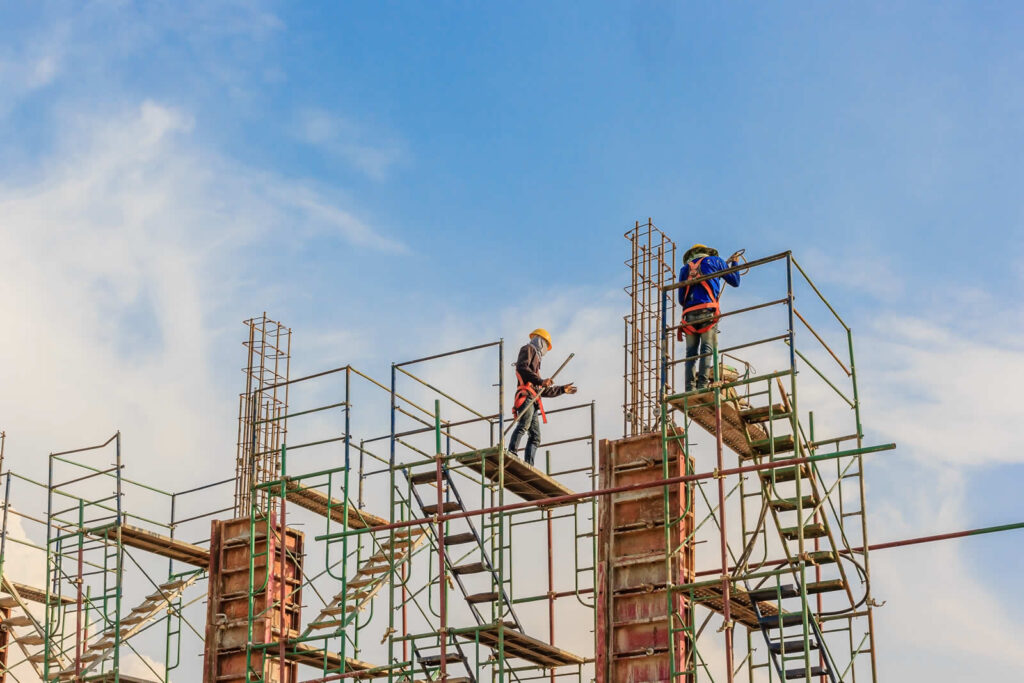
Birdcage scaffolding gives workers a stable platform across areas that would otherwise be awkward, slow or unsafe to access from ladders or mobile towers. It can be used for domestic ceiling work, commercial refurbishment, school halls, warehouse maintenance, retail fit-outs, atriums, theatres, churches and public buildings.
Scaffold Calculator helps users understand likely birdcage scaffold costs before requesting quotes. Whether the job involves an internal birdcage scaffold, ceiling scaffold platform, commercial birdcage scaffolding, scaffold deck for ceiling work or a large area scaffold platform, the right setup depends on the height, floor area, loading and access conditions.
Birdcage scaffold hire is often needed in busy UK locations such as London, Manchester, Birmingham, Leeds, Sheffield, Bristol, Liverpool, Newcastle, Nottingham, Cardiff and Glasgow, where access, parking, working hours and building use can make the job more complicated.
A properly planned birdcage scaffold can reduce repeated tower movements, improve working access and give trades a more stable deck for overhead work than ladders, steps or unsuitable temporary platforms.
Internal birdcage scaffold platforms are designed to create stable access across wide indoor spaces. They are often used when contractors need to reach ceilings, lights, ducting, ventilation, suspended ceiling grids, high-level plasterwork or upper internal features.
A small birdcage scaffold may be suitable for domestic ceiling repairs, while a large area scaffold platform may be needed in a school hall, retail unit, warehouse, church, atrium or leisure centre. These systems can include wide decked areas, guardrails, access ladders, stair towers, toe boards and loading controls depending on the job.
Scaffold Calculator helps users compare birdcage scaffolding costs by explaining the main pricing factors. Deck size, working height, loading, hire duration and location all influence the final quote. A simple room scaffold in Sheffield or Leeds may cost much less than a large commercial birdcage platform in central London.
Choosing the right scaffold birdcage system matters. A platform that is too small, too low or not designed for the intended load can slow the job down and create safety risks. A properly specified birdcage scaffold gives trades a clearer working area and helps keep overhead work more controlled.

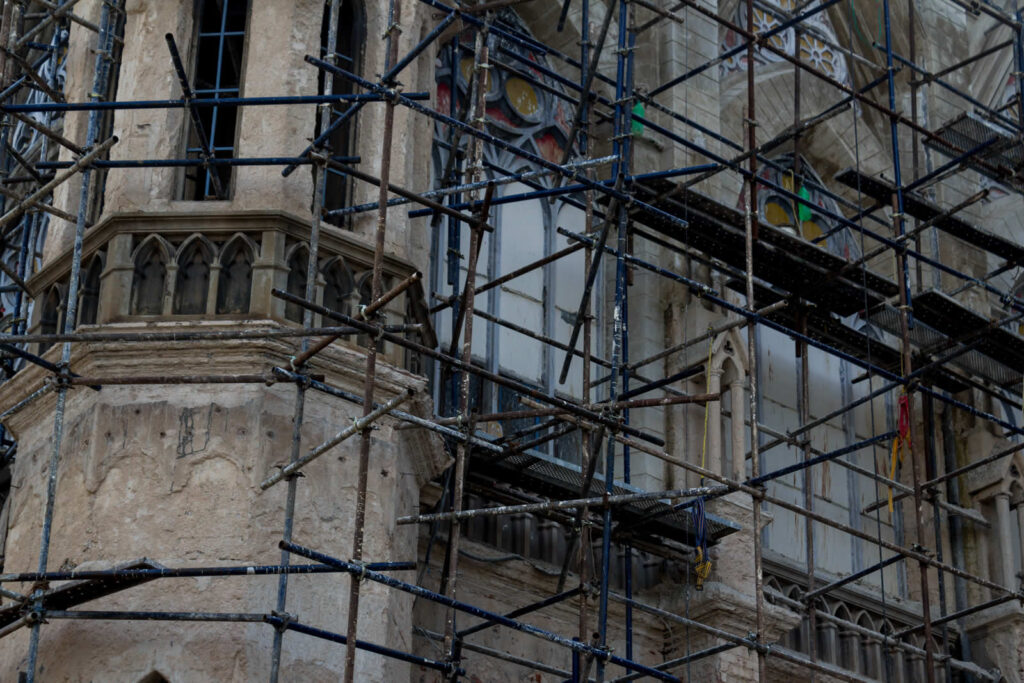
Ceiling scaffold platforms are often required when work needs to be carried out across a broad overhead area. This may apply to plastering, decorating, lighting upgrades, suspended ceiling installation, fire alarm work, ductwork, sprinkler systems and high-level internal maintenance.
A ceiling scaffold platform must be planned around working height, floor loading and access into the room. It may need edge protection, loading limits, floor protection or phased installation depending on the size and use of the building. These details can raise the cost, but they help make the scaffold safer and more practical.
In populated areas such as Birmingham, Bristol, Liverpool, Manchester and London, commercial ceiling works may also involve tight access times, parking restrictions and occupied buildings. This is why birdcage scaffold prices can vary more than a simple mobile tower hire.
The goal is to give trades a stable deck so work can continue without repeatedly moving access equipment. A well-designed birdcage platform can reduce delays and help ceiling work progress more smoothly.
Birdcage scaffolding is widely used when workers need access to lighting, ventilation, mechanical services, electrical systems and ceiling-mounted equipment. It can be useful for LED upgrades, warehouse lighting, theatre lighting, suspended services, ducting, sprinkler work and high-level maintenance.
A stable overhead access scaffold can reduce the need to move towers around the room. This is especially useful in large spaces where several lights, vents, ducts or ceiling panels need to be reached during the same project.
The cost depends on the deck size, working height, number of trades, loading needs and whether the building remains occupied. A small lighting scaffold may be relatively affordable, while a large commercial birdcage scaffold for M&E installation will usually cost more.
Scaffold Calculator helps users understand whether a tower, internal birdcage scaffold, ceiling scaffold platform or commercial scaffold deck is likely to be the better option for their project.

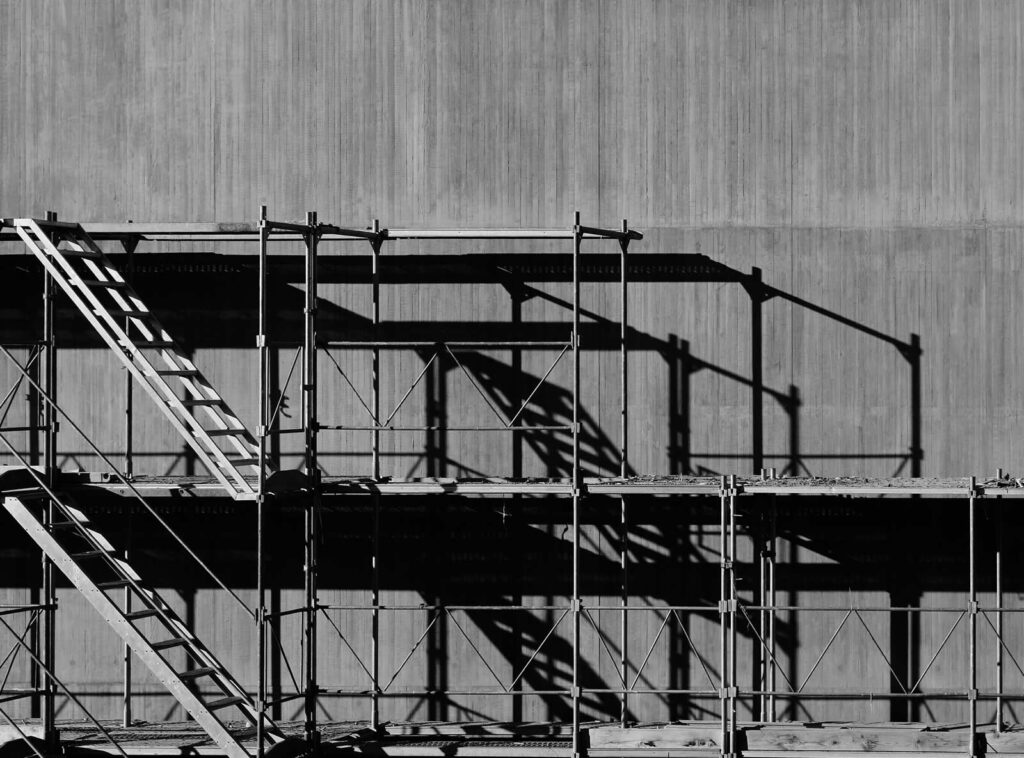
Birdcage scaffold systems come in several forms, and the right setup depends on the building, the task and the level of access required. Some are small room platforms for domestic ceiling work, while others are large commercial scaffold decks built across halls, warehouses, atriums or public buildings.
Common options include internal birdcage scaffolds, ceiling scaffold platforms, commercial birdcage scaffolding, crash deck platforms, grid scaffold platforms, freestanding scaffold decks and large area scaffold platforms. Each option serves a slightly different purpose.
A compact birdcage access platform may suit plastering, decorating or lighting in a smaller room. A larger scaffold birdcage system may be better when multiple trades need overhead access across a broad area. A crash deck-style platform may be needed where fall protection or temporary protection below work is part of the requirement.
The best choice is based on floor area, working height, loading, site access and safety requirements. Price should follow the scaffold specification, not the other way around.
You may need birdcage scaffolding when overhead work covers more than one small point. This can happen during ceiling repairs, painting, plastering, lighting upgrades, suspended ceiling installation, ventilation work, M&E installation, sprinkler work or high-level inspection.
Birdcage scaffolds can help workers avoid repeated ladder use, unstable access, constant tower movement and awkward overhead working positions. They also help keep movement organised, which is useful when several trades are working across the same ceiling area.
For commercial buildings, a birdcage scaffold can give electricians, decorators, plasterers, fit-out contractors and maintenance teams one broad platform instead of several separate access points. This is common in shops, offices, schools, warehouses, halls and leisure buildings in cities such as London, Birmingham, Manchester and Bristol.
The main benefit is stable overhead access. Instead of relying on ladders or repeatedly repositioned towers, a properly designed birdcage scaffold gives people a wide, defined working deck.
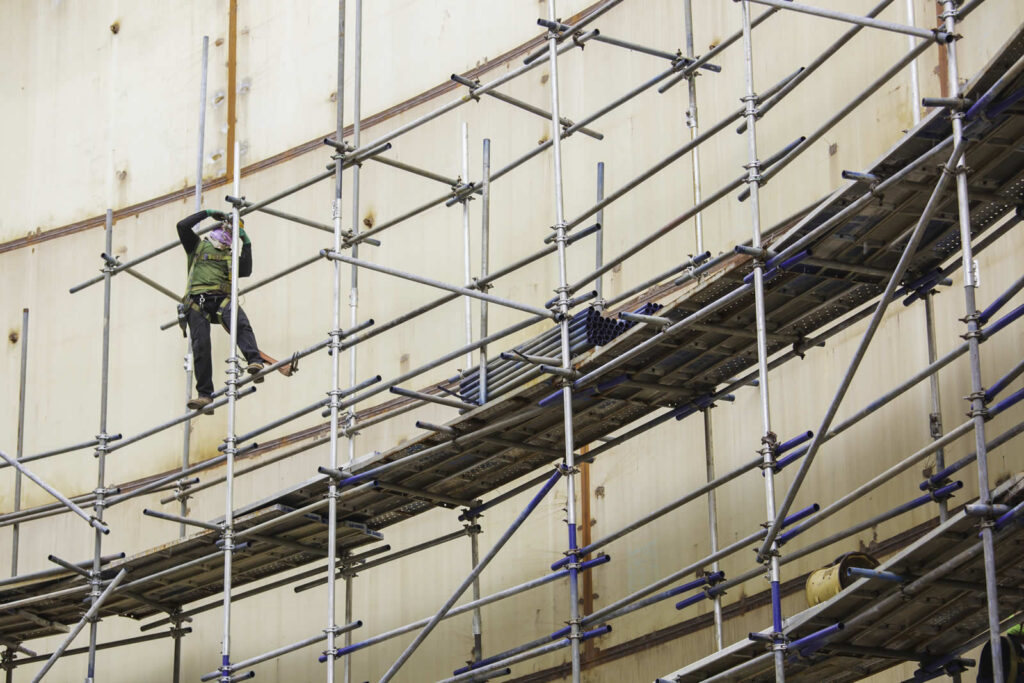
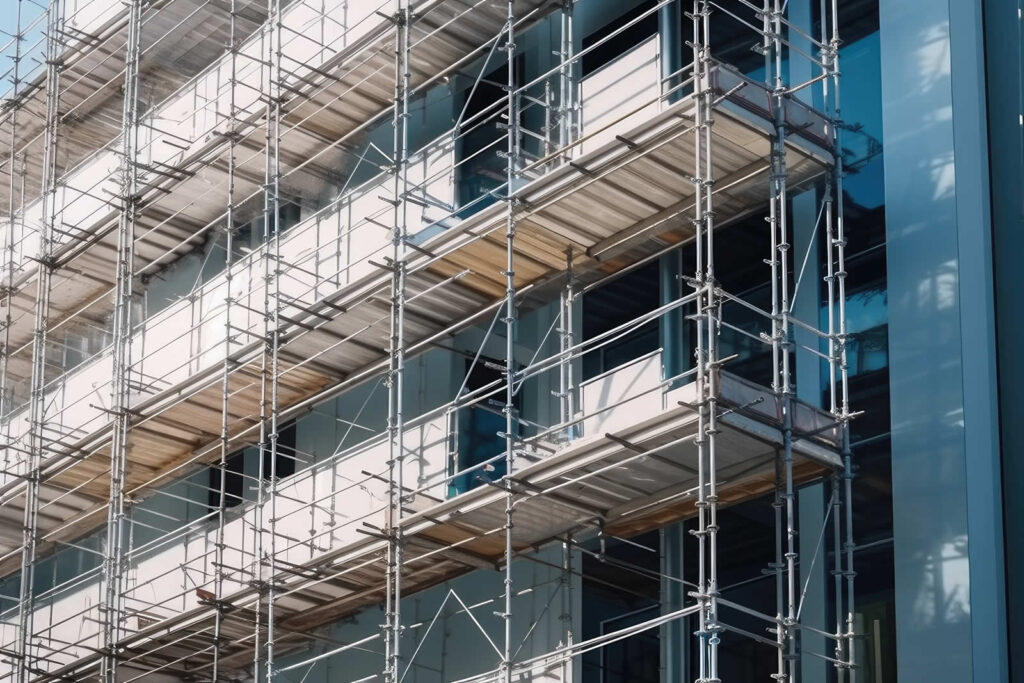
Scaffold Calculator helps users get a clearer idea of what birdcage scaffolding, ceiling scaffold platforms and large internal scaffold decks may cost before contacting suppliers. It is useful when you are planning a project and need a rough access budget before committing to formal quotes.
Birdcage scaffold pricing can be difficult to estimate because small changes can affect the final figure. A larger floor area, higher deck, awkward doorway, finished floor, restricted access, occupied building or longer hire period can all increase the cost. That is why a calculator-style guide can help you understand the likely range.
The website is designed to make scaffold pricing easier to understand for homeowners, builders, landlords, contractors, facilities managers and commercial property owners. It explains common scaffold types, likely price bands and the main reasons quotes vary.
It does not replace a site-specific quote, but it gives you a more informed starting point. That means you can ask better questions and compare birdcage scaffolding quotes more confidently.
Birdcage scaffolding hire is used across the UK for domestic, commercial, industrial and public-sector projects. Costs may differ depending on where the work takes place, because labour rates, transport, parking, building access and city-centre restrictions are not the same everywhere.
Projects in London, Manchester, Birmingham, Sheffield, Leeds, Bristol and Liverpool may involve busy streets, restricted delivery points or more complex access planning. Other cities such as Nottingham, Newcastle, Cardiff, Glasgow, Leicester and Southampton can also vary depending on local scaffold rates and site conditions.
A small birdcage scaffold in a quiet domestic property may be much cheaper than a commercial scaffold platform in a warehouse, theatre, school hall or retail unit. That difference is not just about materials; it is about planning, labour, loading, access and safe working conditions.
Scaffold Calculator helps users understand these differences before requesting quotes, so they can see why one birdcage scaffold may cost far more than another.