Cantilever Scaffolding Cost Calculator
Estimate the likely cost of cantilever scaffolding, projecting scaffold platforms, hanging scaffold systems, needle scaffolds and specialist access structures before requesting formal quotes.
Estimate the likely cost of cantilever scaffolding, projecting scaffold platforms, hanging scaffold systems, needle scaffolds and specialist access structures before requesting formal quotes.
Find out what your scaffolding is likely to cost in minutes. Enter your property type, scaffold size, location, hire duration, and any common extras to receive a realistic guide price before requesting a formal quote.
Cantilever Scaffolding is a specialist scaffold system used when the ground below cannot safely or practically support a normal scaffold structure. Instead of relying on standards directly below the working platform, the scaffold projects out from a secure support point, often using needles, beams, brackets, trusses or a designed support arrangement.
For 2026, a small domestic cantilever scaffold may start from around £1,250 to £2,250 where the projection is modest and access is straightforward. A more involved cantilever scaffold over a conservatory, extension, glass roof, pavement or entrance may sit between £2,500 and £5,500. Larger specialist cantilever scaffolding for commercial façades, high-level roof works, bridges, restricted urban sites or public-facing access can rise from £6,000 to £18,000+ where design calculations, permits, protection fans, beam work or complex installation is required.
The biggest cost driver is not just scaffold size. Cantilever scaffold pricing is heavily affected by how the platform is supported, how far it projects, what it sits above and how much design work is needed. A short scaffold over a small porch will usually be far cheaper than a projecting scaffold platform above a busy pavement, shop entrance, railway boundary, glass roof or lower-level extension.
Location also changes the price. Cantilever scaffolding in London, Manchester, Birmingham, Sheffield, Leeds, Bristol, Liverpool, Nottingham, Newcastle, Cardiff, Glasgow, Leicester and Southampton can vary because access rules, delivery restrictions, parking, labour rates and public protection requirements differ. A city-centre cantilever scaffold above a pavement may need permits, edge protection, debris netting, lighting, alarms or out-of-hours erection, all of which can increase the total.
A small cantilever scaffold for roofline repairs over a conservatory, porch or single-storey extension may cost around £1,250 to £2,750 for a short hire period. A cantilever scaffold platform for façade repairs, guttering, chimney access, window replacement or awkward upper-level work may sit closer to £2,750 to £6,500 depending on projection, height and loading.
For larger projects, temporary roof scaffolding, suspended access scaffold systems, protection fans and high-level cantilever structures can become more expensive. A commercial cantilever scaffold above a public entrance, narrow street, service yard, lower roof, loading bay or shopfront may range from £6,500 to £18,000+ depending on engineering, site restrictions, working hours and how long the scaffold remains in place.
Cantilever scaffolding is usually priced around a defined hire period, often two to four weeks for smaller domestic structures and four to eight weeks for commercial or engineered scaffold systems. If roof repairs, façade cleaning, window work, cladding, chimney repairs or building maintenance overrun, extra weekly hire can increase the final bill.
Site conditions can have a major impact. Fragile roofs, tight alleyways, listed buildings, restricted pavements, glass structures, sloping ground, occupied commercial premises and limited loading areas can all add labour and planning time. A cantilever scaffold in a quiet Bristol garden may be relatively straightforward, while a projecting scaffold above a London pavement, a Manchester shop entrance or a Birmingham commercial frontage may need more protection and supervision.
The most effective way to control cantilever scaffold hire costs is to define the access problem clearly before quotes are requested. A scaffold over an extension, a hanging cantilever scaffold, a scaffold above a conservatory and a pavement cantilever platform may all look similar to a customer, but they can require very different support methods.
It also helps to schedule the work properly. If roof repairs, render repairs, painting, window replacement, guttering, signage, chimney work or façade maintenance all need the same awkward access, combine them during one scaffold hire period where possible. Scaffold Calculator can help users understand whether a cantilever scaffold, standard scaffold, tower, gantry, hanging scaffold or another specialist scaffold access system is likely to suit the job.
Estimated costs for cantilever scaffold hire, needle scaffold systems, hanging scaffold platforms and projecting scaffold structures. Guide prices only.
Cantilever scaffolding usually costs more than standard scaffold because the platform is not simply supported from the ground below. A small domestic cantilever scaffold may start from around £1,250 to £2,250, while more complex structures over conservatories, pavements, shopfronts or lower roofs can cost several thousand pounds.
The price depends on projection distance, working height, support method, loading, design requirements and hire period. A simple scaffold over a porch is not priced in the same way as a specialist cantilever scaffold above a public walkway in London or Manchester.
Scaffold Calculator gives a useful guide range, but a formal quote should be based on site photos, measurements, access details and the reason ground-supported scaffolding cannot be used.
Cantilever scaffolding is used where normal scaffold standards cannot be placed directly below the working platform. This can happen when the ground is blocked, fragile, unsafe, privately owned, public-facing or occupied by another structure.
Common uses include:
It is a specialist access option for awkward sites where standard scaffolding would either be impractical or disruptive.
Cantilever scaffolding is more expensive because it usually needs a stronger support arrangement, careful load transfer and more planning than standard scaffolding. The scaffold platform projects outwards, so the structure must be securely tied, anchored, braced or supported by suitable beams or needles.
More labour may be needed during erection because scaffolders have less straightforward ground support to work from. If the scaffold sits above a conservatory, pavement, public route, glass roof or lower building, extra protection may also be required.
The cost reflects risk, design, labour and access difficulty rather than just the amount of tube and boards used.
A cantilever scaffold is a scaffold structure where part of the working platform projects out from a building or supporting frame. Instead of being supported directly from the ground below, the load is transferred back through needles, beams, brackets, trusses or another designed support system.
It is used when scaffold legs cannot be placed underneath the work area. That might be because a conservatory, extension, pavement, entrance, fragile roof, road or neighbouring land is in the way.
The scaffold still needs to be stable, tied and suitable for the task. Cantilever scaffolding should not be treated as a quick variation of standard scaffold because the support method is more specialist.
Cantilever scaffolding is used when normal scaffold cannot be built from the ground up in the right position. It is often chosen where there is no safe footing, no permission to place standards below, or an obstruction that prevents a conventional scaffold layout.
Examples include work above conservatories, fragile roofs, shop entrances, basement voids, narrow passageways, pavements, access roads and lower extensions. It can also be used where the area below must remain open for people, vehicles or business access.
Standard scaffolding is usually cheaper where it can be safely installed. Cantilever scaffolding is normally chosen because the site layout demands it.
Many cantilever scaffolds need some level of design input because the scaffold is projecting out from its support point. The structure must be able to carry workers, tools, boards, fittings and any relevant imposed loads without becoming unstable.
A simple small projection may be handled using recognised scaffold methods, but larger or more unusual cantilever scaffold structures often need design calculations. This is especially true for commercial work, public-facing scaffolds, long projections or scaffolds fixed to existing buildings.
Design requirements can increase the quote, but they help confirm that the scaffold is suitable for the loads and conditions involved.
Yes, cantilever scaffolding is often used where work is needed above a conservatory and it is not suitable to place scaffold standards on or through the conservatory area. The scaffold may project out from a stronger support point so workers can reach gutters, fascias, roof edges, windows or upper walls.
The conservatory roof should not be treated as a support unless it has been specifically assessed and designed for that purpose. Most conservatories are not suitable for scaffold loading, so the scaffold has to transfer weight elsewhere.
A cantilever scaffold over a conservatory usually costs more than standard scaffold because the setup needs more care, materials and planning.
Cantilever scaffolding can be used above a pavement where the scaffold needs to project over or around a public route. This may be necessary for shopfronts, flats, offices, hotels, listed buildings or busy streets where ground standards would obstruct pedestrian movement.
Public-facing scaffolds may need permits, lighting, warning signs, pedestrian protection, fans, barriers or debris netting. Requirements vary by local authority, so a job in London may differ from one in Birmingham, Leeds, Liverpool or Bristol.
Pavement cantilever scaffolds often cost more because the public interface adds risk, administration and safety controls.
The largest pricing factors are projection length, working height, access difficulty, support method, loading, hire duration and whether the scaffold affects the public. A short cantilever over a small lower roof is normally cheaper than a larger scaffold projecting above a public entrance or road.
Other price factors include:
Location also matters, especially in London, Manchester, Birmingham, Sheffield, Leeds, Bristol and Liverpool where access and parking can be more difficult.
Cantilever scaffolding can be safe when it is designed, erected, tied, loaded and inspected properly. The key issue is how the projected platform transfers weight back into the supporting structure or scaffold frame.
A safe cantilever scaffold needs suitable support points, adequate bracing, correct ties, controlled loading and proper edge protection. It should not be overloaded with materials or altered by people who are not competent to do so.
Because the scaffold depends on load transfer rather than simple ground support, it should be handled by scaffolders with experience in specialist access arrangements.
There is no single distance that applies to every cantilever scaffold. The safe projection depends on the scaffold design, support method, tie arrangement, beam strength, load, height and condition of the supporting structure.
A small domestic cantilever may project only a short distance to clear a conservatory, porch or lower roof. A larger commercial cantilever scaffold may require engineered beams, trusses or a designed support frame.
The projection should be decided by the scaffold provider or designer, not guessed on site. A longer projection usually increases both risk and cost.
Yes, cantilever scaffolding is often used for roof repairs where normal scaffold access is blocked by a lower structure or restricted ground. It can help workers reach fascias, gutters, chimneys, dormers, roof edges, parapets and high-level walls.
It is commonly considered when a conservatory, garage, extension, glass roof, lean-to or neighbouring boundary prevents standard scaffolding from being erected below the work area. The scaffold can project out to create a usable working platform.
The price depends on roof height, span, projection, tie points, platform width and whether materials will be stored on the scaffold.
Cantilever scaffolding can be useful for façade repairs where the wall face needs access but the ground below cannot be occupied. This may happen on buildings with busy entrances, lower roofs, shopfronts, glass canopies, basement openings or public walkways.
It can support work such as brick repairs, rendering, painting, cladding inspections, window replacement, signage work and maintenance. On commercial buildings, the scaffold may need to keep doorways, pavements or loading areas open while work continues above.
Façade cantilever scaffolding often needs careful planning because the platform must sit in the right position without relying on the restricted area below.
Yes, cantilever scaffolding should be inspected as required because it is a scaffold structure used for work at height. Inspections are especially important after erection, after changes, after severe weather and during ongoing use.
The inspection should check stability, ties, supports, boards, guardrails, access points, loading and any protection measures. Cantilever scaffold structures deserve particular attention because their stability depends on the support and counter-load arrangement.
Inspection arrangements should be confirmed before the scaffold is used. They may be included in the scaffold quote or charged separately depending on the provider.
Cantilever scaffolding can be suitable for terraced houses where normal scaffold access is restricted by extensions, conservatories, narrow rear alleys, shared paths, lower roofs or neighbouring boundaries. It may help create access to gutters, chimneys, rear elevations or roof edges without putting standards in the wrong place.
Terraced properties in places such as Manchester, Liverpool, Sheffield, Leeds and London often have tight rear access. This can make a standard scaffold layout difficult, especially if materials have to be carried through the property or over restricted ground.
The scaffold company will need to assess whether a cantilever system is practical or whether another access method would be safer and more cost-effective.
Cantilever scaffolding can be used above a glass roof where the glass structure cannot support workers or scaffold loads. This is common around conservatories, atriums, canopies, glazed extensions and commercial entrance roofs.
The scaffold must be designed so the load is transferred away from the glass. Extra protection may be added to reduce the risk of falling tools, debris or accidental impact.
A scaffold over a glass roof is usually more expensive than a straightforward elevation scaffold because the setup is slower, the risk is higher and the margin for error is smaller.
A needle scaffold is a scaffold arrangement where horizontal support beams, known as needles, project out from or through a building to support part of the scaffold platform. It is closely linked with cantilever scaffolding because the platform is supported without standards directly underneath it.
Needles may be used where the ground below cannot take scaffold legs or must remain clear. The load must be transferred safely back into the building or support structure.
Needle scaffold systems should be planned carefully because the support points, fixing method and load path are central to safety.
Several trades may be able to use a cantilever scaffold if it has been designed and loaded for that purpose. The scaffold provider needs to know whether roofers, decorators, window fitters, façade contractors, gutter installers or maintenance teams will be using the platform.
The more people, tools and materials placed on the scaffold, the more important the loading becomes. A platform intended for light inspection may not be suitable for storing materials or supporting several trades at once.
This should be discussed before the quote is agreed, because loading affects scaffold design, erection time and cost.
To get a cantilever scaffold quote, provide photos, measurements, the building location and a clear explanation of why normal scaffold cannot be used. The scaffold company will need to understand what the scaffold must clear and where support points may be available.
Useful details include:
Clear information helps scaffolders price the correct system rather than guessing from a standard scaffold layout.
Cantilever scaffolding should not damage the building when it is properly designed and installed, but the support points must be suitable. The scaffold may need ties, beams, needles, brackets or fixings, and these must be planned around the building’s structure and finish.
Older brickwork, listed façades, weak walls, rendered elevations, fragile parapets or lightweight structures may need extra care. The scaffold company may need to check where loads can be safely transferred.
Any concerns about fixing points, wall strength or surface protection should be raised before the scaffold is installed, especially on older properties in cities such as York, Bath, London, Bristol and Edinburgh.
Compare cantilever scaffolding quotes by looking beyond the headline price. Check whether each quote includes design, erection, dismantling, hire period, ties, beams, edge protection, pavement permits, inspections, public protection and VAT.
A cheaper quote may exclude items that are essential for a specialist cantilever scaffold. This matters because the structure has to project safely from its support point rather than rely on direct ground support.
A good quote should explain what type of cantilever scaffold is being supplied, how it will be supported, how long it can remain in place and what may increase the cost.
To get a cantilever scaffolding quote, take clear photos from several angles and show the obstruction below the work area. Explain whether the scaffold needs to clear a conservatory, pavement, glass roof, entrance, lower extension, road, alleyway or neighbouring property.
Provide the site address, working height, approximate width, type of work and preferred hire period. A cantilever scaffold in London, Manchester, Birmingham, Sheffield, Leeds, Bristol or Liverpool may be priced differently because access, parking, permits and working restrictions vary.
Scaffold Calculator can help you understand rough cantilever scaffold prices before you request formal quotes from local scaffold companies.
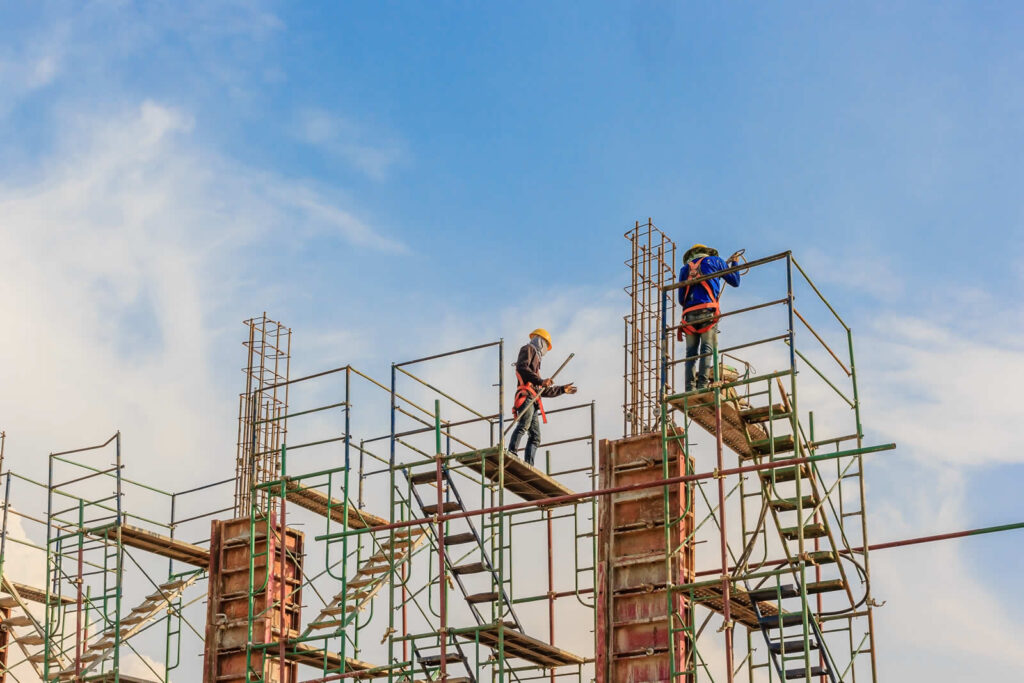
Cantilever scaffolding gives trades access to areas that standard scaffolding cannot reach cleanly from the ground below. It can be used above conservatories, glass roofs, lower extensions, pavements, shop entrances, service yards, narrow alleys and fragile ground.
Scaffold Calculator helps users understand likely cantilever scaffold costs before requesting quotes. Whether the job involves a hanging scaffold, needle scaffold system, scaffold over an extension, projecting scaffold platform or scaffold above a public walkway, the right setup depends on support points, projection, height and loading.
Cantilever scaffold hire is often needed in busy UK locations such as London, Manchester, Birmingham, Leeds, Sheffield, Bristol, Liverpool, Newcastle, Nottingham, Cardiff and Glasgow, where restricted access, tight streets and public-facing work can make standard scaffolding difficult.
A properly planned cantilever scaffold can solve awkward access problems without blocking the area below. It can also make roof repairs, façade maintenance, guttering, window work and high-level repairs safer and more practical when direct ground support is not available.
Cantilever scaffold platforms are designed to project from a secure support arrangement when standards cannot be placed directly below the work area. They are often used above conservatories, pavements, entrances, lower roofs, glass canopies and narrow access routes.
A small cantilever scaffold may be suitable for domestic roofline repairs, while a larger projecting scaffold platform may be needed for commercial façade work, upper-level maintenance or public-facing building repairs. These systems can include beams, needles, ties, guardrails, toe boards, debris protection and loading controls depending on the job.
Scaffold Calculator helps users compare cantilever scaffolding costs by explaining the main pricing factors. Projection distance, working height, loading, hire duration and location all influence the final quote. A short scaffold over a small extension in Sheffield or Leeds may cost much less than a designed cantilever scaffold above a central London pavement.
Choosing the right cantilever scaffold system matters. A platform that is under-supported, overloaded or poorly positioned can create serious risk. A properly specified cantilever scaffold gives trades workable access while keeping the restricted area below clear.

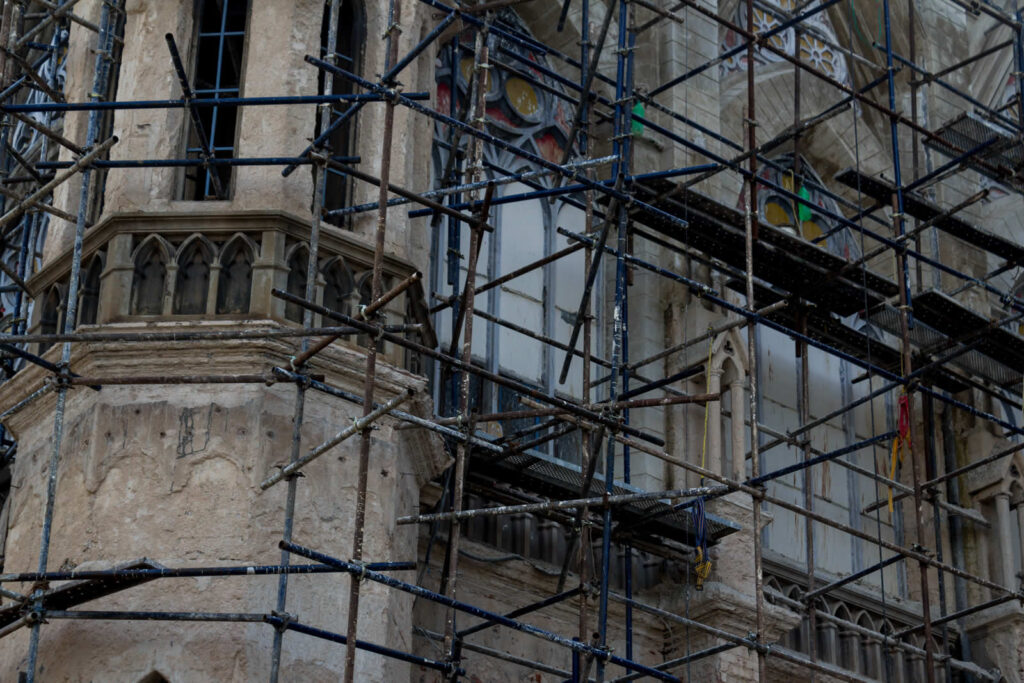
Scaffolding over conservatories and extensions is one of the common reasons a cantilever scaffold may be considered. Standard scaffold legs cannot always be placed where they are needed, especially when the lower structure is fragile, glazed or not suitable for loading.
A cantilever scaffold can project from a stronger support point so roofers, decorators, window fitters or guttering contractors can reach upper areas without loading the conservatory roof. The structure must still be planned carefully because the load has to be transferred safely.
In populated areas such as Birmingham, Bristol, Liverpool, Manchester and London, rear access can also be difficult. Terraced housing, narrow side paths and occupied properties may make material handling slower and increase the cost.
The aim is to provide safe access without damaging the structure below. A well-planned cantilever scaffold can reduce risk and make awkward domestic roofline work much easier to complete.
Cantilever scaffolding is often used when workers need access to façades, gutters, roof edges, chimneys, dormers, parapets or upper windows but the ground below cannot take scaffold standards. It can be useful for repairs above shopfronts, lower extensions, glass roofs, yards or public routes.
A specialist cantilever access scaffold can reduce disruption below the working area. This is especially useful where a doorway, pavement, driveway, service entrance or business access point has to remain usable.
The cost depends on the projection, height, tie points, working platform size and whether the scaffold affects the public. A small roof repair scaffold may be manageable, while a larger commercial cantilever scaffold for façade work will usually need more planning.
Scaffold Calculator helps users understand whether a standard scaffold, cantilever scaffold, gantry, tower or hanging access scaffold is likely to be the better option for their project.

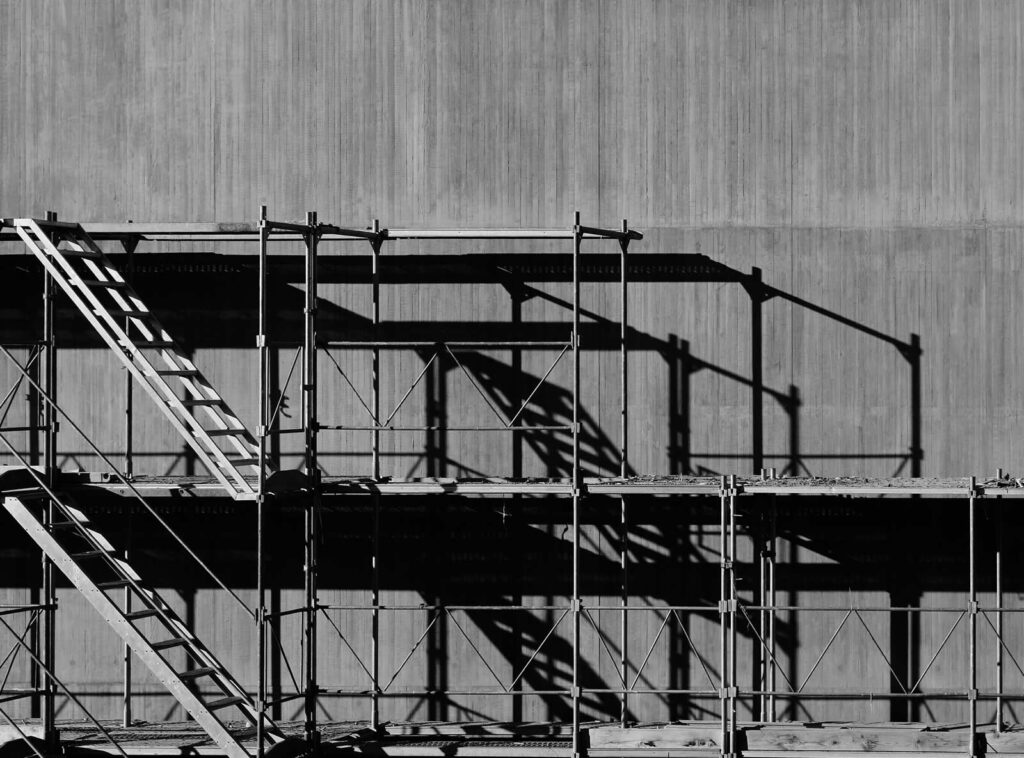
Cantilever scaffold systems come in several forms, and the right setup depends on the obstruction, the building and the work being carried out. Some are short domestic projections over lower structures, while others are engineered commercial scaffolds above public areas or restricted ground.
Common options include needle scaffolds, hanging cantilever scaffolds, projecting scaffold platforms, truss-out scaffolds, cantilever fans, scaffold over extension systems and temporary cantilever access structures. Each option has a different support method and risk profile.
A needle scaffold may be suitable where beams can project from a secure structure. A hanging cantilever scaffold may be considered where the platform needs to sit below or beyond a fixing point. A protection fan may be needed where debris risk must be controlled.
The best choice is based on site layout, support points, projection, loading, public risk and safety requirements. Price should follow the access design, not a guessed standard scaffold rate.
You may need cantilever scaffolding when there is no safe, practical or permitted place to build standard scaffolding underneath the work area. This can happen above conservatories, extensions, pavements, entrances, lower roofs, glass canopies, roads, narrow alleys or fragile ground.
Cantilever scaffolds help workers reach difficult elevations without blocking or loading the area directly below. They are useful when access needs to be created around an obstruction rather than from the ground up.
For commercial buildings, a cantilever scaffold can allow repairs to continue while keeping entrances, pavements or service routes open. This is common around shops, offices, hotels, flats and public buildings in cities such as London, Birmingham, Manchester and Bristol.
The main benefit is specialist access where standard scaffold is not practical. Instead of forcing a poor ground-based layout, a properly designed cantilever scaffold creates a platform from a suitable support point.
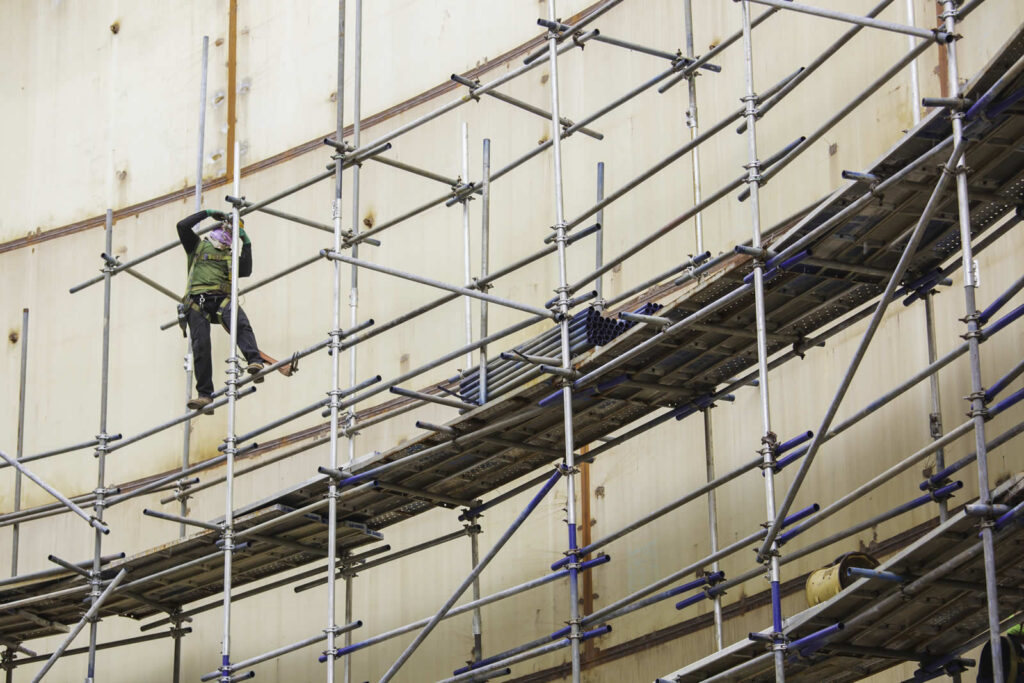
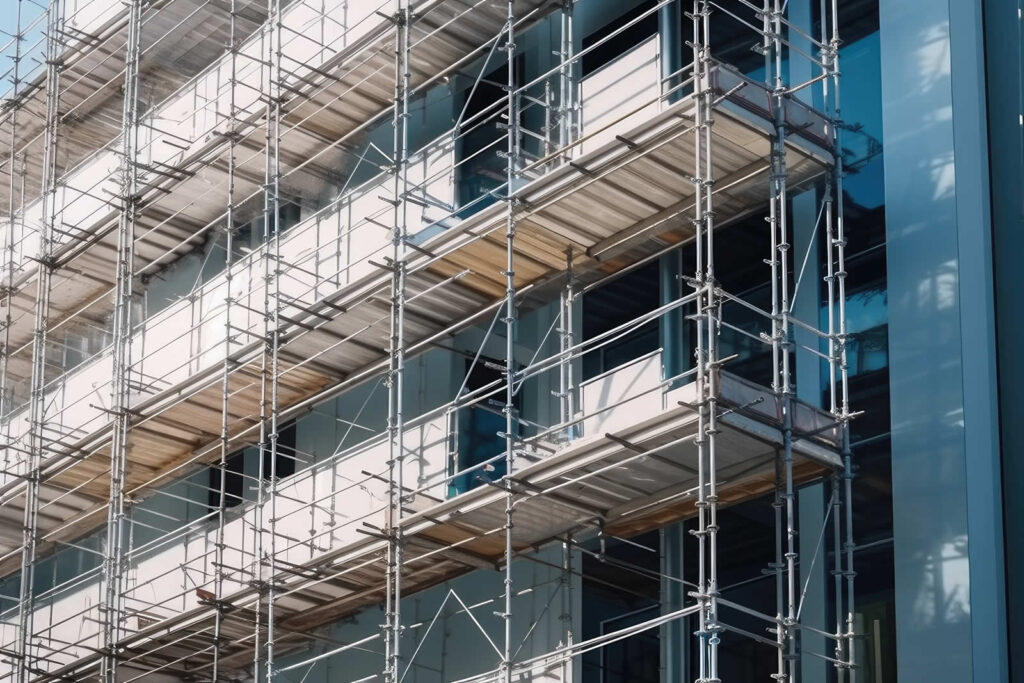
Scaffold Calculator helps users get a clearer idea of what cantilever scaffolding, projecting scaffold platforms and specialist scaffold access may cost before contacting suppliers. It is useful when you are planning an awkward project and need a rough access budget before asking for formal quotes.
Cantilever scaffold pricing can be difficult to estimate because a small change in projection, support point, working height or site restriction can affect the final figure. Public access, pavement permits, fragile structures, restricted working hours and design requirements can also increase the cost.
The website is designed to make scaffold pricing easier to understand for homeowners, builders, landlords, contractors, facilities managers and commercial property owners. It explains common scaffold types, likely price bands and the reasons specialist structures cost more than standard scaffold.
It does not replace a site-specific quote, but it gives you a more informed starting point. That means you can ask better questions and compare cantilever scaffolding quotes more confidently.
Cantilever scaffolding hire is used across the UK for domestic, commercial, industrial and public-facing projects. Costs may differ depending on where the work takes place because labour rates, transport, parking, permit rules and city-centre access restrictions are not the same everywhere.
Projects in London, Manchester, Birmingham, Sheffield, Leeds, Bristol and Liverpool may involve busy streets, narrow plots, restricted delivery points or more complex public protection. Other cities such as Nottingham, Newcastle, Cardiff, Glasgow, Leicester and Southampton can also vary depending on local scaffold rates and site conditions.
A small cantilever scaffold above a conservatory in a quiet residential street may be much cheaper than a projecting scaffold platform above a shop entrance, public walkway or commercial frontage. That difference is about design, labour, access, loading and risk.
Scaffold Calculator helps users understand these differences before requesting quotes, so they can see why one cantilever scaffold may cost far more than another.