Chimney Stack Scaffolding Cost Calculator
Estimate the likely cost of chimney scaffold hire for repointing, rebuilds, lead flashing repairs, chimney removals, inspections and roof-level maintenance.
Estimate the likely cost of chimney scaffold hire for repointing, rebuilds, lead flashing repairs, chimney removals, inspections and roof-level maintenance.
Find out what your scaffolding is likely to cost in minutes. Enter your property type, scaffold size, location, hire duration, and any common extras to receive a realistic guide price before requesting a formal quote.
Chimney Stack Scaffolding is used when roofers, bricklayers, chimney specialists or builders need safe access around a chimney stack that sits above the roofline. A chimney can be awkward to reach because it is often positioned near the ridge, on a pitched roof, at the gable end, above a conservatory, beside a valley, or on a tall terraced property where ordinary ladders are not suitable.
For 2026, a small chimney scaffold on a bungalow or simple low roof may start from around £450 to £850. A typical two-storey chimney scaffold for repointing, lead flashing or chimney pot repairs may sit between £850 and £1,800. Larger chimney stack scaffolding for high roofs, terraced houses, awkward rear access, full saddle scaffolds or chimney rebuilds can range from £2,000 to £5,000+ where extra lifts, roof bridging, design or longer hire are needed.
Chimney scaffolding is not just a basic scaffold tower placed against a wall. The scaffold has to give safe access to a working area that is usually above roof level, often on sloping tiles or near exposed edges. Depending on the property, the scaffold may need to rise to gutter height, extend above the roofline, bridge over a conservatory, or form a saddle around the chimney stack so trades can work on more than one side.
The setup must protect workers, the roof, gutters, neighbouring property and anyone below. A chimney scaffold may include boarded working lifts, guardrails, toe boards, ladder access, roof edge protection, bridging sections, loading space and a secure working platform around the stack. The aim is to create a controlled work area where repointing, rebuilding, flashing, flue work or chimney removal can be done properly.
The process normally begins with a basic survey. The scaffold company needs to understand the property type, roof height, chimney position, access route, ground conditions and the work being carried out. Photos are often enough for an early estimate, but more complex jobs may need a site visit, especially if the chimney is on a tall terrace, above a rear extension, beside a narrow alley or close to a public footpath.
After the survey, the scaffold is planned around the actual chimney work. A small inspection scaffold may only need safe access to one side of the stack. Chimney repointing may need a platform that lets a bricklayer reach several faces of the chimney. A chimney rebuild usually needs more working space because bricks, mortar, tools, chimney pots and waste all need to be handled safely. If the chimney is being removed, the scaffold may need extra room for dismantled materials and controlled lowering.
Once the specification is agreed, the scaffold team arranges delivery, access and erection. The scaffold is built from the ground up, with base plates and standards set on suitable ground. The structure is then tied, braced and extended to the required height. Where the chimney is difficult to reach, the scaffold may need to bridge across roof sections or form a working platform at ridge level. The final stage is handover, where the scaffold is checked before roofers or chimney contractors begin work.
A basic chimney access scaffold for a bungalow or low roof may cost around £450 to £900 for a short hire period. A two-storey chimney repair scaffold for lead flashing, chimney pot work, minor brick repairs or pointing may cost around £850 to £1,800. A chimney saddle scaffold that provides working access around more than one side of the stack will usually cost more because it needs extra materials and labour.
For more involved work, temporary roof scaffolding, bridge scaffolds and high-level chimney platforms can increase the total. Chimney stack scaffolding for rebuilds, removal, tall Victorian terraces, three-storey homes, commercial buildings or awkward access areas may cost from £2,000 to £5,000+ depending on the height, roof shape, hire period and scaffold design.
The type of chimney work has a major effect on the scaffold price because different jobs need different access. Repointing usually requires safe close access around the brickwork. Lead flashing repairs need access to the base of the stack and the surrounding roof surface. Chimney pot replacement needs enough room to lift, remove and fit pots safely. A full rebuild needs more space for materials, waste and longer working time.
Some jobs also reveal extra problems after access is created. Loose brickwork, failed flaunching, cracked pots, damaged flashing, rotten roof timbers, blocked flues or unstable masonry can all extend the hire period. This is why it is sensible to inspect the chimney properly once the scaffold is up and complete related repairs during the same access window.
The best way to control chimney scaffold hire costs is to be clear about the job before requesting quotes. A scaffold for inspection is not the same as a scaffold for a full chimney rebuild. If the scaffolder knows whether the work involves pointing, flashing, pot replacement, flue installation, capping, removal or roofing repairs, the quote is more likely to match the actual requirement.
It also helps to combine roof-level jobs while the scaffold is in place. Gutter repairs, ridge tile work, roof inspections, lead flashing, chimney capping, pointing and small tile repairs can sometimes be completed during the same hire period. Scaffold Calculator helps users compare likely chimney stack scaffolding costs before requesting quotes in places such as London, Manchester, Birmingham, Leeds, Sheffield, Bristol, Liverpool, Nottingham, Cardiff and Glasgow.
Estimated costs for chimney scaffold hire, roof access scaffolds, saddle scaffolds and high-level chimney repair platforms. Guide prices only.
Chimney stack scaffolding can cost from around £450 for simple low-level access to £5,000+ for high, awkward or complex chimney work. A typical two-storey chimney scaffold for repairs, pointing or flashing often falls between £850 and £1,800, depending on access and hire length.
The price changes when the scaffold needs to reach a ridge chimney, bridge over an extension, wrap around several sides of the stack, or protect a public area.
Scaffold Calculator gives a useful guide price, but an accurate quote depends on photos, measurements, property type and the repair work required.
Chimney stack scaffolding is used to create safe access around a chimney for repairs, inspections, rebuilding and maintenance. Chimneys are often difficult to reach because they sit above pitched roofs, near ridges, on gable ends or above awkward extensions.
Common uses include:
The scaffold gives trades a stable platform so they can work properly without relying on unsafe ladders or roof positions.
Many chimney repairs need scaffolding, especially if the chimney is high, difficult to reach or located on a pitched roof. Minor work may sometimes be completed using a tower, roof ladder or other access method, but scaffold is often safer for longer repairs.
Repointing, lead flashing, chimney rebuilds and chimney pot replacement usually need enough space for tools, materials and safe movement. Scaffolding gives the contractor a proper working platform around the stack.
The access method should be chosen based on safety, not just the cheapest option.
A chimney saddle scaffold is a scaffold arrangement that gives access around more than one side of a chimney stack, often near the roof ridge. It is useful when brickwork, pointing, flashing or flaunching repairs need to be completed around the full chimney.
This type of scaffold can cost more than a basic access tower because it requires additional boards, guardrails, support and careful positioning around the roofline.
A saddle scaffold is commonly used when the repair cannot be reached safely from one side only.
Before chimney scaffolding is erected, the scaffold company usually checks the property height, chimney location, roof shape, ground access and the type of work being planned. Photos may be enough for a simple quote, but complex jobs can need a site visit.
The scaffolder will consider where the scaffold can stand, how materials will be delivered, whether the structure needs to bridge over anything and whether neighbouring land, pavements or shared access are involved.
This planning stage matters because chimney scaffolds often need to reach awkward roof areas without damaging tiles, gutters, conservatories or nearby property.
Chimney scaffolding is normally erected from the ground upwards using standards, ledgers, transoms, boards, ties, braces and access ladders. The scaffold is built to reach the roofline and then arranged to provide a safe working platform near the chimney stack.
On some properties, the scaffold may be built up one elevation and then extended around the chimney area. On awkward roofs, it may need bridging sections, a saddle platform, extra lifts or roof edge protection.
Once complete, the scaffold should be inspected and handed over before the chimney contractor begins work.
A simple chimney scaffold may be erected in a few hours, while a larger or more awkward chimney stack scaffold can take a full day or longer. The time depends on property height, access, scaffold design, roof shape and how much protection is needed.
A straightforward two-storey scaffold with good access is usually quicker than a chimney scaffold over a conservatory, rear extension, narrow alley or public pavement.
The dismantling stage is usually faster than erection, but it still needs to be done carefully to avoid damage to the roof, gutters and surrounding property.
Yes, scaffolding can be built around a chimney on a terraced house, but access can be more complicated. Terraced properties may have narrow fronts, rear alleys, shared passages, extensions, conservatories or neighbouring boundaries close to the work area.
Victorian and older terraces often have tall chimney stacks, which may increase the number of scaffold lifts required. If the chimney sits on a party wall, the scaffold may also need to be planned carefully around adjoining roofs.
Terraced house chimney scaffolding can cost more when access is restricted or when the scaffold needs to bridge over obstacles.
Yes, chimney scaffolding can sometimes be designed to bridge over a conservatory, porch, single-storey extension or fragile roof. This is useful when the best access point is blocked by a structure that cannot take scaffold loads.
Bridging usually increases the cost because extra beams, supports and planning are needed. The scaffold must avoid placing weight on fragile glass, lightweight roofs or unsuitable structures.
If a chimney sits above a rear extension, clear photos are especially useful when requesting a quote.
Scaffolding is commonly used for chimney repointing, brick replacement, lead flashing repairs, chimney pot replacement, flaunching renewal, cowl fitting, cap fitting, flue liner work, waterproofing and partial rebuilds.
More serious jobs, such as chimney removal or full stack rebuilding, usually need a stronger and more spacious working platform because materials and waste have to be handled safely.
Once the scaffold is up, it is often worth checking the surrounding roof, ridge tiles and gutters because these areas may be difficult to access again later.
Chimney repointing often needs scaffolding because the brick joints must be reached safely and worked on carefully. The contractor needs space to rake out old mortar, apply new mortar and inspect the condition of the stack.
For a low and easily accessible chimney, another access method may sometimes be possible. For most two-storey and higher properties, scaffold gives a safer and more practical working platform.
Repointing can take longer than it appears because the chimney must be accessed on the correct sides, not just from the nearest roof edge.
Lead flashing repairs often need chimney scaffolding because the work happens where the chimney meets the roof. This area can be awkward, slippery and unsafe to work from without a stable platform.
The scaffold may need to provide access to the base of the chimney stack and the roof surface around it. If the flashing has failed on more than one side, a wider access platform may be needed.
Good scaffold access helps the roofer remove old flashing, dress new lead correctly and check the surrounding tiles or slates.
Chimney scaffolding can usually stay up for the agreed hire period, often two to four weeks for smaller chimney repairs and four to six weeks for larger rebuilds or roof-related work. Extra weekly hire charges may apply if the project overruns.
The scaffold should remain in place until the chimney work is complete, checked and safe to leave. Removing it too early can cause problems if extra repairs are discovered after work begins.
Weather delays, material availability and extra chimney damage can all extend the hire period.
Yes, chimney scaffolding should be inspected after erection and during use, especially if it remains in place for ongoing repair work. Inspections are also important after bad weather, alterations or anything that may affect scaffold stability.
Chimney scaffolds can be exposed to wind because they often rise above the roofline. This makes proper inspection and maintenance important throughout the hire period.
The scaffold company should explain what inspection arrangements are included in the quote.
A properly planned chimney scaffold should be designed to reduce the risk of roof damage. The scaffold must be positioned carefully so it does not place unsuitable loads on roof tiles, gutters, lightweight extensions or fragile surfaces.
Damage risk increases when access is rushed, roof conditions are poor or the scaffold has to work around awkward features. This is why photos and a clear site assessment are useful before the quote is agreed.
If the roof is old or fragile, tell the scaffold company before erection so the access can be planned more carefully.
You may need permission if the scaffold affects a public pavement, road, shared access, neighbouring land or a party wall area. If the scaffold is entirely on your own property, a pavement permit may not be needed, but the structure still needs to be safe.
In busy areas, the scaffold may need lighting, barriers, pavement protection or a local authority licence. This is more common in city locations or where the property sits directly beside a pavement.
When comparing quotes, check whether permits and public protection are included or charged separately.
Yes, chimney scaffolding can be used on listed or heritage buildings, but extra care may be needed. Older brickwork, stonework, decorative features, slate roofs and fragile gutters can make access more sensitive.
The chimney repair itself may also need consent if it affects the character of a listed building. The scaffold should be positioned to protect the structure and avoid unnecessary contact with delicate materials.
Heritage chimney work is often slower because the repair and access both need to be handled carefully.
Yes, chimney stack removal can be carried out from scaffolding when the structure provides safe access and enough working space. Removal work usually needs more scaffold than a small repair because bricks, pots, debris and tools must be managed safely.
The scaffold may need a working platform around the stack, edge protection and a safe way to lower materials. If the chimney is shared, structural and party wall considerations may also apply.
Chimney removal scaffolding usually costs more than simple pointing access because the job is heavier and more involved.
The biggest factors are property height, chimney position, roof pitch, access restrictions, hire duration and the type of chimney work being carried out. A low bungalow chimney is much cheaper to access than a tall rear chimney on a three-storey terrace.
Other cost factors include:
The more difficult the access, the more labour and materials are usually required.
To get a chimney stack scaffolding quote, provide clear photos of the property, the chimney, the roofline, the ground access and any obstacles such as conservatories, extensions, narrow alleys or public pavements.
Useful details include:
Scaffold Calculator can help you understand rough chimney scaffold prices before you request formal local quotes.
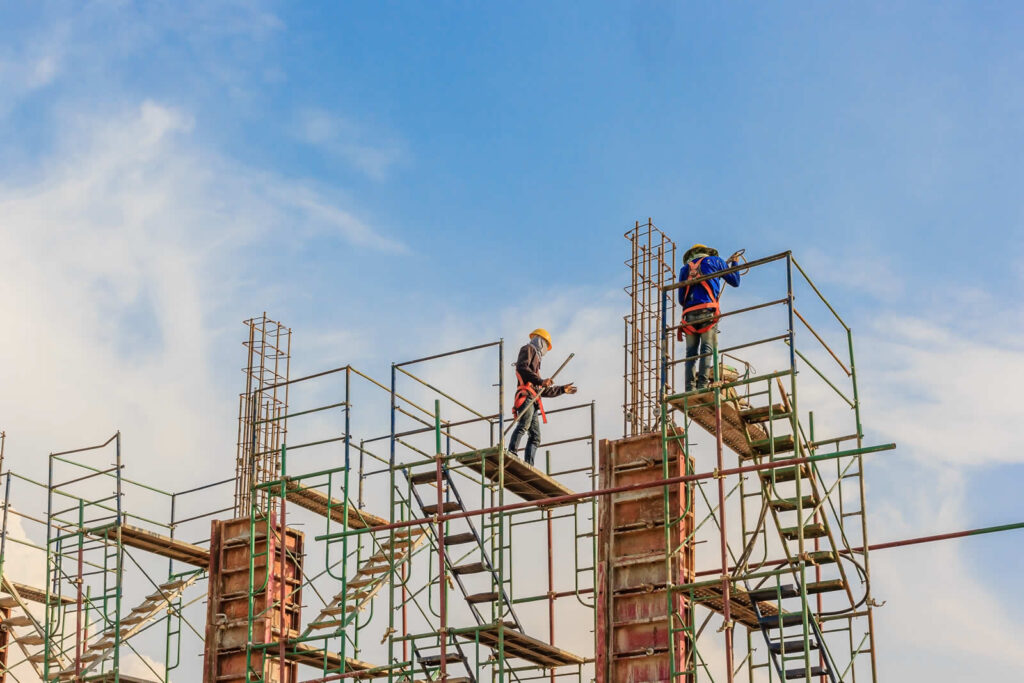
Chimney stack scaffolding gives roofers, bricklayers and chimney specialists safe access to one of the most awkward parts of a property. Chimneys sit above the roofline, often near pitched tiles, ridges, valleys, party walls, extensions or public-facing areas.
Scaffold Calculator helps users understand likely chimney scaffold hire costs before requesting quotes. Whether the job involves chimney repointing, lead flashing, pot replacement, cowl fitting, flue work, waterproofing, partial removal or a full chimney rebuild, the access needs to match the task.
The process usually starts with photos or a site survey. The scaffold company checks the height, chimney position, roof angle, ground access and any obstacles. From there, they decide whether the job needs a simple tower, a roofline scaffold, a chimney saddle scaffold, a bridged scaffold or a larger roof access structure.
A properly planned scaffold helps the chimney contractor work safely and neatly. It also protects the property by reducing the need for workers to stand directly on roof tiles or rely on unsuitable temporary access.
Chimney scaffold hire is needed when repair work cannot be reached safely from ladders, roof ladders or a small access tower. It creates a stable working area around the stack so trades can stand, move, handle tools and complete repairs at the correct height.
The scaffold may be simple or complex depending on the property. A bungalow chimney may only need a small access scaffold, while a tall terraced house may need several lifts, roof edge protection and a working platform close to the ridge.
The process starts with identifying the chimney repair. Repointing, flashing, pot replacement, flue liner work, capping and rebuilding all need slightly different access. Once the work is clear, the scaffold can be specified properly rather than priced as a vague roof access job.
Choosing the right access matters because chimney work often involves height, exposed positions and fragile roof surfaces. A scaffold that gives enough room around the stack can make the repair safer, cleaner and easier to complete.

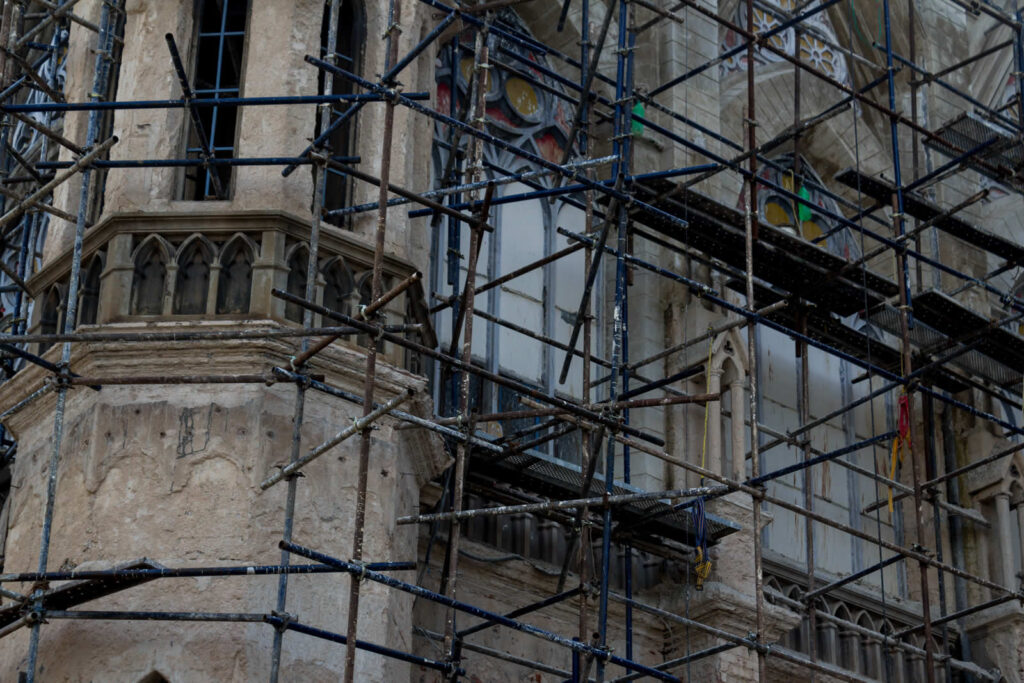
The setup process begins with access planning. The scaffold team checks where the structure can stand, how the materials will be brought onto site and whether the scaffold needs to reach the chimney from the front, side or rear of the property.
Next, the scaffold is erected in stages. Base plates are set, standards are raised, ledgers and transoms are fixed, and the structure is braced as it climbs. Working platforms are then boarded at the required levels, with guardrails, toe boards and safe ladder access added where needed.
For chimney work, the top platform is the most important part. It must place the worker close enough to the chimney to complete the repair, but not in a position that forces unsafe reaching, twisting or standing on the roof.
Once erected, the scaffold should be checked before use. After handover, the chimney contractor can begin work knowing the access has been built for the actual repair rather than improvised after arrival.
Scaffolding for chimney repairs is often used for repointing, cracked brickwork, failed flaunching, loose chimney pots, damaged lead flashing, leaking stacks and general weather damage. These jobs need steady access because the work is detailed and usually carried out in exposed roof positions.
The repair process normally starts with inspection once the scaffold is up. The chimney contractor can check the mortar joints, pot condition, flaunching, flashing, brick faces and surrounding roof. This is where hidden damage is often found.
After inspection, the repair work can be completed properly. Old mortar may be raked out, damaged bricks replaced, new lead installed, pots reset, caps fitted or waterproofing applied where appropriate.
The scaffold stays in place until the repair has cured, been checked and no further access is needed. Removing scaffold too early can cause extra cost if the contractor needs to return to finish overlooked work.

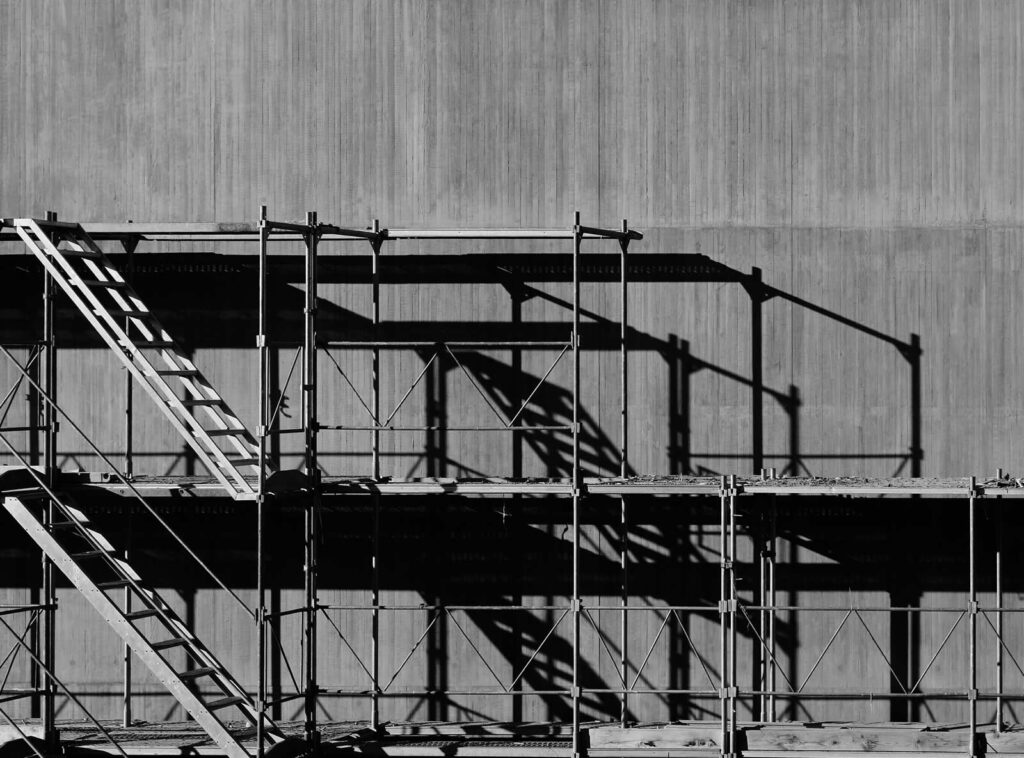
Chimney repointing and rebuilding usually need better access than a quick inspection. Repointing requires the contractor to work closely around the brick joints, while a rebuild needs space for bricks, mortar, tools, chimney pots and waste materials.
For a small pointing job, the scaffold may only need to reach the main face of the stack. For a full rebuild, the scaffold may need a saddle arrangement or platforms that allow work on several sides without unsafe reaching.
The process can involve removing loose mortar, checking brick stability, taking down unsafe sections, rebuilding courses, resetting pots and renewing flaunching. These jobs are much easier when the scaffold provides a stable, level platform.
Costs rise when the chimney is high, shared, unstable, difficult to access or positioned above a complicated roof layout. The scaffold has to support the repair process, not just reach the chimney.
You may need chimney stack scaffolding if the chimney is leaking, leaning, crumbling, missing mortar, losing bricks, causing damp patches, shedding debris or showing visible damage around the flashing. Many chimney problems start small but become expensive when access is delayed.
Scaffold access is also useful for planned maintenance. Even if the chimney is not in urgent danger, repointing, capping unused flues, fitting cowls, replacing lead flashing or checking the stack can prevent bigger problems later.
It is especially useful on older houses, tall terraces, semi-detached homes, detached properties, commercial buildings, rental properties and listed buildings where safe roof access matters.
The main benefit is giving the contractor proper working conditions. Good access allows better workmanship, safer handling of materials and a more thorough inspection of the chimney and surrounding roof.
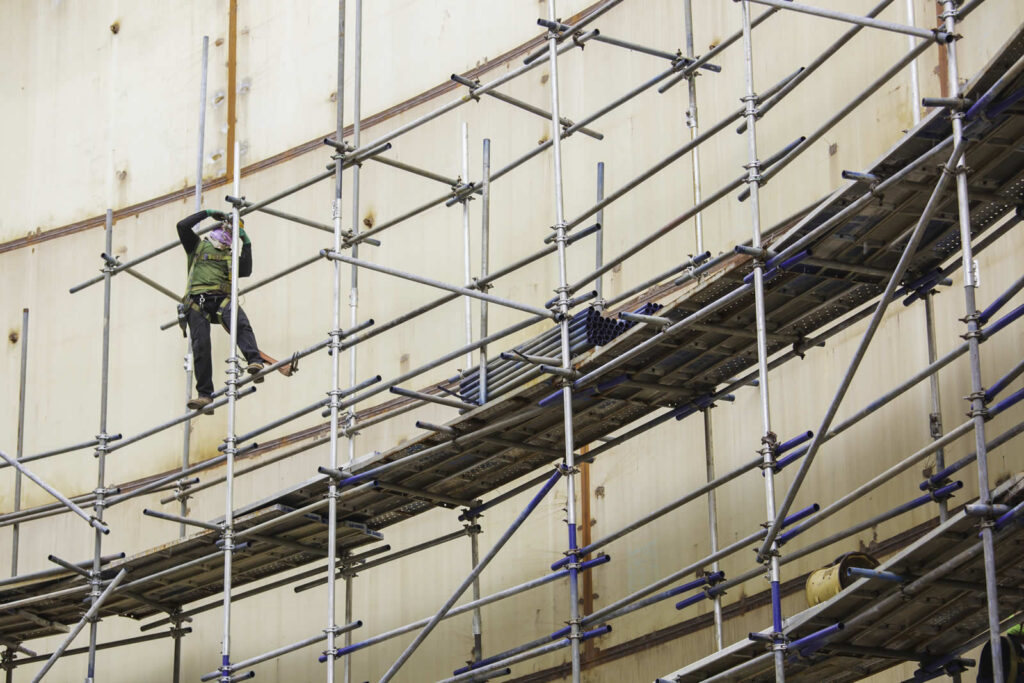
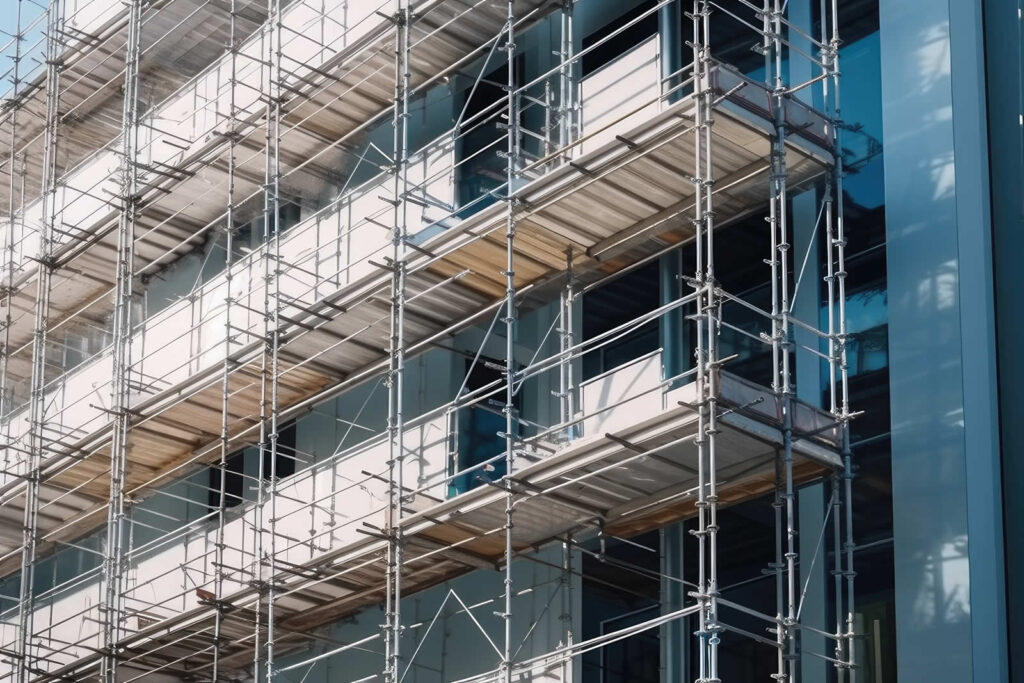
Scaffold Calculator helps users get a clearer idea of what chimney scaffold hire may cost before contacting suppliers. It is useful when you need a rough budget for chimney repointing, rebuilds, lead flashing, pot replacement, flue work, capping or roofline repairs.
Chimney scaffold prices can be difficult to estimate because the chimney is often in the least convenient part of the roof. A few details can change the price, including height, roof pitch, access, a conservatory below, a shared chimney, public pavement restrictions or a longer hire period.
The website is designed to make scaffold pricing easier to understand for homeowners, landlords, roofers, builders, property managers and commercial maintenance teams.
It does not replace a site-specific quote, but it gives you a more informed starting point when comparing chimney access scaffold options.
Chimney scaffolding is used across the UK for domestic, commercial and heritage property repairs. Costs can differ by region because labour rates, transport, parking, permits and site access vary from one area to another.
A chimney scaffold on a quiet detached house may be simpler than a scaffold on a tall terraced property with no rear access. City-centre jobs can also involve pavement licences, tight parking, public protection and restricted working hours.
Projects in London, Manchester, Birmingham, Sheffield, Leeds, Bristol, Liverpool, Nottingham, Newcastle, Cardiff, Leicester and Glasgow can vary depending on roof height, property type and access conditions.
Scaffold Calculator helps users understand why chimney stack scaffolding prices can change from one property to another, even when the repair itself seems similar.