Commercial Scaffolding Cost Calculator
Estimate the likely cost of commercial scaffold hire for offices, shops, warehouses, public buildings, refurbishment projects and larger business premises before requesting formal quotes.
Estimate the likely cost of commercial scaffold hire for offices, shops, warehouses, public buildings, refurbishment projects and larger business premises before requesting formal quotes.
Find out what your scaffolding is likely to cost in minutes. Enter your property type, scaffold size, location, hire duration, and any common extras to receive a realistic guide price before requesting a formal quote.
Commercial Scaffolding is used when businesses, contractors, landlords or property managers need safe temporary access around larger buildings, active premises, public-facing sites or high-use work areas. It is different from a basic domestic scaffold because the structure often has to deal with larger elevations, more trades, longer hire periods, heavier usage, public safety controls and phased work.
For 2026, smaller commercial scaffold hire may start from around £1,800 to £3,500 for straightforward low-rise business premises. Medium commercial scaffolding for shopfronts, office blocks, schools, apartment buildings or façade repairs can commonly sit between £4,000 and £12,000. Larger multi-storey scaffolding hire, commercial roof scaffolding, temporary access over public areas or industrial scaffold systems can rise from £15,000 to £60,000+ depending on design, scale, location and hire duration.
The biggest price drivers are building size, scaffold height, number of elevations, loading needs, design complexity, programme length and whether the scaffold affects public areas. A short scaffold platform around a retail unit will usually cost far less than a multi-lift commercial access scaffold around a hotel, warehouse, school or office refurbishment.
Commercial sites may also need extra protection, including debris netting, hoarding, pavement fans, gantries, loading bays, stair towers, edge protection, alarms, lighting and permit arrangements. These additions increase the quote, but they are often necessary where customers, staff, tenants, pedestrians or neighbouring businesses are nearby.
A small shopfront scaffold or business premises scaffold hire may cost around £1,800 to £4,000 for a short hire period. A commercial façade scaffold for painting, cladding, signage, rendering or window replacement may sit closer to £5,000 to £15,000, depending on height, length and the number of working lifts required.
For larger projects, temporary roof scaffolding, multi-storey scaffold hire and industrial scaffolding systems can become much more expensive. A large commercial roof scaffold, warehouse access system, public access scaffold or full building wrap may range from £18,000 to £70,000+ where design calculations, public protection or long hire periods are involved.
Most commercial scaffolding quotes include an agreed hire period, often four to eight weeks for smaller commercial jobs and eight to twelve weeks or more for larger refurbishment schemes. When the scaffold stays in place beyond the agreed period, weekly hire charges can be added, which can make a noticeable difference to the final cost.
Site conditions can change the price quickly. Restricted loading areas, busy pavements, awkward rear access, active entrances, uneven yards, glass-fronted buildings, loading dock areas and city-centre restrictions can all increase labour and planning time. A scaffold for an out-of-town warehouse may be simpler to install than a commercial scaffold outside a shop parade, theatre, hotel or office entrance.
The best way to control commercial scaffold hire costs is to define the access requirement clearly before requesting quotes. A scaffold for light inspection, signage work or short-term maintenance will not need the same specification as a structure used for cladding, roof replacement, masonry repairs, heavy trade access or public protection.
It also helps to coordinate trades during the same hire window. If roofing, painting, glazing, façade repairs, guttering, signage, mechanical works or surveys all need access, combining them can reduce repeated scaffold costs. Scaffold Calculator helps you understand likely commercial scaffolding prices before comparing local quotes for offices, shops, warehouses, schools, healthcare buildings, hospitality venues and industrial sites.
Estimated costs for commercial scaffold hire, business premises access, public-facing scaffolds and larger temporary access systems. Guide prices only.
Commercial scaffolding in the UK can cost from around £1,800 for a small shopfront or low-rise business premises scaffold. Medium-sized commercial scaffold hire often ranges from £4,000 to £15,000, while larger commercial buildings, industrial sites and multi-storey structures can cost £20,000 to £70,000+.
The final cost depends on height, building size, number of working lifts, loading requirements, hire duration, public safety measures and how difficult the site is to access.
Scaffold Calculator gives a useful starting point, but a formal quote will still need photos, measurements, location details and a clear description of the work.
Commercial scaffolding is used to provide safe access for work on business, public, industrial and larger residential buildings. It is commonly needed for repairs, inspections, refurbishments, painting, cladding, roof work, glazing, signage, rendering and structural maintenance.
It can be useful for:
The main purpose is to give workers a stable temporary structure while keeping staff, visitors, tenants and pedestrians safer around the site.
Yes, commercial scaffolding is usually more expensive than domestic scaffolding because the structures are often larger, higher and used for longer periods. Commercial projects may also involve more people, more working lifts, heavier materials and stricter access planning.
A domestic scaffold may only need to serve one house, while commercial access scaffolding may need to cover a large shop, office block, school, hotel, apartment building or industrial unit. Public-facing work can also require lighting, signage, pavement protection, hoarding or gantry access.
The increase in cost normally comes from the scale, safety requirements and time needed to design, erect, inspect and dismantle the scaffold safely.
Commercial scaffolding can be used on a wide range of buildings, including offices, shops, restaurants, hotels, warehouses, factories, schools, universities, hospitals, care homes, apartment blocks, leisure centres and council buildings.
It is also used for mixed-use properties where retail space sits below flats or offices. These projects often need careful planning because people may still need access to entrances, pavements, car parks or delivery areas.
The building type affects the scaffold design. A warehouse roof scaffold is priced differently from a high street shopfront scaffold, and both are different from a multi-storey office refurbishment scaffold.
Commercial scaffold hire is used across construction, retail, education, healthcare, hospitality, property management, facilities management, manufacturing, logistics, local authority work and infrastructure maintenance.
A retail business may need scaffolding for signage or shopfront repairs. A facilities manager may need safe access for guttering, roof plant or façade inspections. A construction contractor may need a larger scaffold system for cladding, masonry repairs or phased refurbishment.
Industrial scaffolding hire is also common around factories, warehouses, processing sites and storage buildings where access has to be planned around operations, machinery, vehicles and safety zones.
A permit may be needed if the commercial scaffold is placed on or over a public pavement, road, highway or public area. Local authority requirements vary, so the rules can differ between locations such as London, Manchester, Birmingham, Leeds, Bristol and Liverpool.
If the scaffold remains entirely on private land, a pavement licence may not be required, but the structure still needs to be suitable, inspected and safely managed.
When comparing quotes, check whether permit applications, pavement licences, lighting, inspection tags and public protection measures are included or charged separately.
Commercial scaffolding can usually stay up for the agreed hire period, provided it is inspected and maintained correctly. Many commercial scaffold quotes include four, eight or twelve weeks, depending on the project size and expected programme.
Longer hire periods are common on façade refurbishment, roof replacement, cladding, painting, masonry repair and public building projects. If the works overrun, additional weekly hire charges may apply.
The scaffold company should explain extension costs before installation, especially on projects where delays are possible because of weather, phased work, permits or multiple trades.
The main factors are height, length, number of elevations, hire duration, scaffold type, loading requirements, access restrictions and the amount of public protection needed. A scaffold that only serves one elevation will usually cost less than a full wraparound scaffold on a larger business premises.
Other price factors include:
Design requirements can also increase the price where the structure is complex, high, long-span or exposed to heavier wind loads.
Yes, commercial scaffolding can often be designed so a business remains open, but this needs careful planning. Shops, offices, hotels, schools and healthcare buildings may need safe entrance routes, clear signage, protected walkways and controlled working areas.
The scaffold may need to avoid blocking doors, fire exits, delivery points, customer routes or disabled access. Some work may also need to take place outside normal opening hours to reduce disruption.
Keeping a business open can increase the price because the scaffold has to balance access, safety, trading needs and construction work at the same time.
Public access scaffolding is designed for sites where pedestrians, customers, residents or visitors may pass near, under or beside the scaffold. It is common outside shops, offices, apartment blocks, schools, public buildings and town-centre refurbishments.
It may include wider walkways, overhead protection, barriers, lights, ramps, clear signage, anti-slip surfaces and debris control. The aim is to keep public movement safer while work continues nearby.
Public access scaffold usually costs more than private-site scaffolding because the risk level is higher and the specification is more detailed.
Commercial scaffolding is usually used for business premises, offices, shops, hotels, schools, healthcare buildings and public-facing properties. Industrial scaffolding is more commonly used around factories, plants, warehouses, processing facilities, utilities and heavier operational environments.
Industrial scaffold systems may need to cope with machinery, pipework, tanks, loading areas, restricted zones or specialist access requirements. Commercial scaffold often focuses more on safe access around buildings used by staff, visitors, customers or tenants.
There can be overlap, especially on large warehouses or mixed-use sites, but the scaffold design should follow the actual risk and access requirements rather than the label.
Yes, commercial roof scaffolding is commonly used for roof repairs, replacement, guttering, skylight work, solar panel access, plant maintenance and temporary roof protection. It is especially useful where the building is too large or unsafe for simpler access methods.
Commercial roof scaffold may include edge protection, access towers, loading bays, guardrails, roof ladders, temporary roofing or protected access routes. The exact setup depends on roof height, pitch, fragility and the type of work being carried out.
Roof access for warehouses, schools, hotels and office buildings is often more expensive than smaller domestic roof scaffolding because the scale and safety requirements are greater.
Some commercial scaffolding needs design calculations, especially where the scaffold is tall, heavily loaded, sheeted, bridged, cantilevered, exposed, public-facing or outside a standard configuration. The scaffold company should tell you when design input is required.
Design work can add to the cost, but it helps confirm the structure is suitable for the job and site conditions. This is particularly important for larger commercial façades, temporary roofs, gantries, loading bays and unusual building shapes.
A simple low-level scaffold may not need the same design process, but complex commercial access scaffolding should not be treated as a basic scaffold tower or small domestic setup.
Yes, loading bays are often added to commercial scaffolding when materials, tools or equipment need to be moved safely to higher levels. They are common on refurbishment, roofing, cladding and construction projects where trades need regular access to materials.
A loading bay must be designed for the expected load, not guessed. The scaffold contractor will need to know what will be stored or moved, how often it will be used and where it needs to sit on the structure.
Adding a loading bay increases the price because it requires more materials, stronger support, careful positioning and clear load control.
Scaffolding is often needed for shopfront work when access is required above normal reach, especially for signage, glazing, fascia replacement, painting, stonework, guttering or façade repairs. A small shopfront scaffold can be relatively straightforward if access is clear and the pavement is not affected.
High street scaffolding may need more planning because customers, pedestrians and neighbouring businesses can be close to the work area. Protection, signage, lighting or out-of-hours installation may be needed.
The cost will depend on width, height, pavement restrictions, hire length and whether the business needs to keep its entrance open.
Yes, commercial scaffolding is often used on schools, hospitals, care homes and other sensitive buildings, but planning is usually more detailed. These sites may have pupils, patients, staff, visitors, deliveries and emergency routes to consider.
Scaffold work may need to be phased, fenced, screened or installed during quieter periods. Access routes must be clear, and extra attention may be needed around entrances, playgrounds, car parks, ambulance bays or public walkways.
Because the site remains active, scaffolding for schools and healthcare buildings can cost more than similar-sized work on an empty building.
Yes, commercial scaffolds normally need regular inspections to make sure they remain safe during use. Inspections are especially important after installation, after alteration, after severe weather and during ongoing hire.
The scaffold provider should explain who is responsible for inspections and whether the cost is included in the quote. Larger commercial projects may need more structured inspection records because several trades may use the scaffold over a longer period.
Public-facing scaffolds, roof scaffolds, gantries and complex access structures need particular care because more people may be affected if something is wrong.
Commercial scaffolding is usually priced by assessing the scaffold design, dimensions, number of lifts, hire duration, labour, transport, loading needs, safety equipment and site difficulty. Some companies may also consider metre rates, but most commercial quotes are built around the full scope rather than one simple figure.
A scaffold around a small business unit may be priced mainly on labour and materials. A larger project may include design, permits, phased installation, alarms, sheeting, netting, pavement protection and weekly hire charges.
This is why two commercial scaffold quotes can look very different even when the buildings appear similar from the outside.
Yes, commercial scaffolding can often be installed outside normal working hours when the site is busy, public-facing or difficult to access during the day. This is common for retail streets, offices, hotels, schools, transport areas and active business premises.
Out-of-hours work can reduce disruption, but it may increase the cost because labour rates, transport arrangements and supervision requirements can be higher.
If your building has heavy footfall, limited parking or strict access windows, it is worth mentioning this when requesting quotes so the scaffold company can price the work properly.
Yes, commercial scaffolding can be fitted with debris netting, sheeting, monoflex, temporary weather protection or dust-control screening depending on the project. This is common for façade repairs, rendering, painting, demolition preparation, cladding work and public-facing sites.
Sheeting and netting can improve containment, but they can also increase wind loading on the scaffold. Larger or exposed structures may need additional design checks before sheeting is installed.
These additions usually increase the quote because they involve extra materials, labour and sometimes more detailed scaffold design.
Compare commercial scaffolding quotes by checking the full specification, not just the total price. Make sure each quote includes the same elevations, hire period, number of lifts, access points, loading bays, safety features, inspections, dismantling and any public protection requirements.
Also check whether VAT, permits, pavement licences, scaffold alarms, lighting, netting, sheeting, design calculations and additional hire weeks are included. A cheaper quote may become more expensive if key items are excluded.
A clear quote should explain what is being supplied, how long it can remain in place, what the scaffold is suitable for and what extra charges may apply if the project changes.
To get a commercial scaffolding quote, provide the building address, photos, approximate measurements, number of storeys, type of work, preferred hire period and any access restrictions. It also helps to explain whether the scaffold will affect customers, staff, tenants, roads, pavements or neighbouring premises.
Useful details include:
Scaffold Calculator can help you understand rough commercial scaffolding prices before you request formal local quotes.
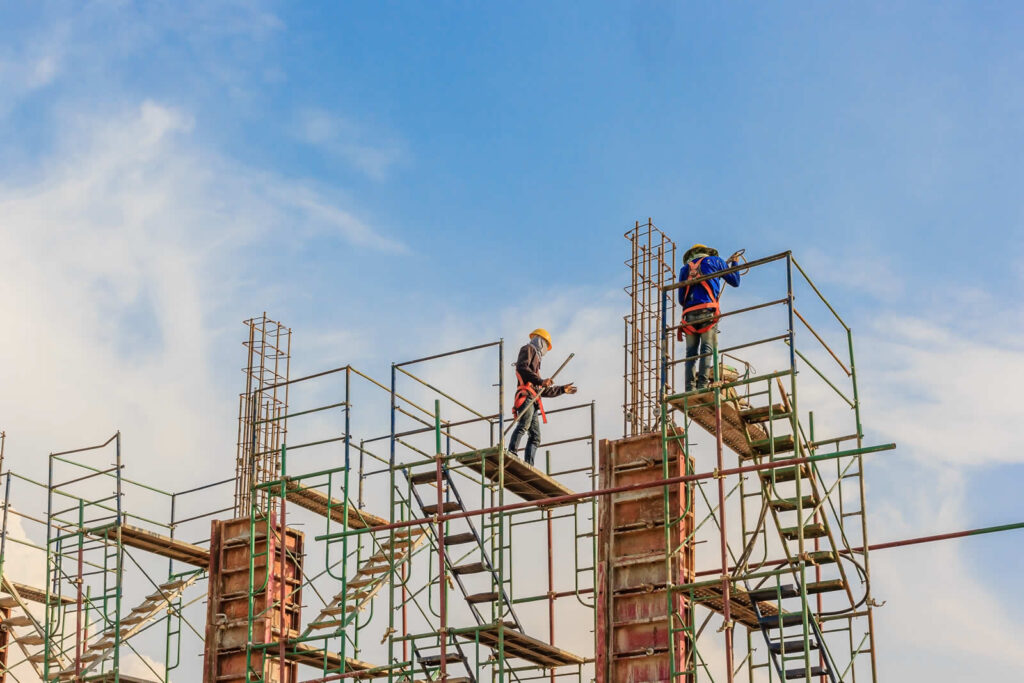
Commercial scaffolding gives contractors, maintenance teams and property managers safe temporary access to larger buildings where ladders, towers or basic platforms are not suitable. It can be used for offices, shops, hotels, warehouses, schools, hospitals, apartment blocks, public buildings and industrial premises.
Scaffold Calculator helps users understand likely commercial scaffold hire costs before requesting quotes. Whether the job involves a commercial façade scaffold, public access scaffolding, business premises scaffold hire, commercial roof scaffold, loading bay, gantry or large temporary access system, the right setup depends on the building and the work being carried out.
Commercial scaffold systems are often needed where normal access is restricted or where the building must remain partly in use. That can include live entrances, delivery areas, tenant access, customer routes, public pavements, car parks and service yards.
A properly planned scaffold helps the project run more safely and more efficiently. It gives trades stable access, keeps movement organised and reduces the risk of unsuitable temporary access being used on a busy site.
Commercial scaffold hire is designed for larger, busier and more demanding projects than standard domestic scaffold work. It can support external repairs, roof access, cladding, rendering, painting, window replacement, guttering, masonry work and planned maintenance across business and public-sector buildings.
A small commercial scaffold may be enough for a shopfront, sign installation or low-level office repair. A larger access system may be required for multi-storey buildings, warehouse roofs, hotels, schools, healthcare sites or industrial units where several trades need to work safely at height.
Scaffold Calculator helps users compare commercial scaffolding costs by explaining the main pricing factors. Height, building length, working lifts, loading requirements, hire period, permits and site access can all affect the final figure.
The correct scaffold should match the job. A structure that is under-specified can slow the work down, create safety problems and lead to alterations later. A well-planned commercial scaffold gives trades safer access and helps the project stay organised from the start.

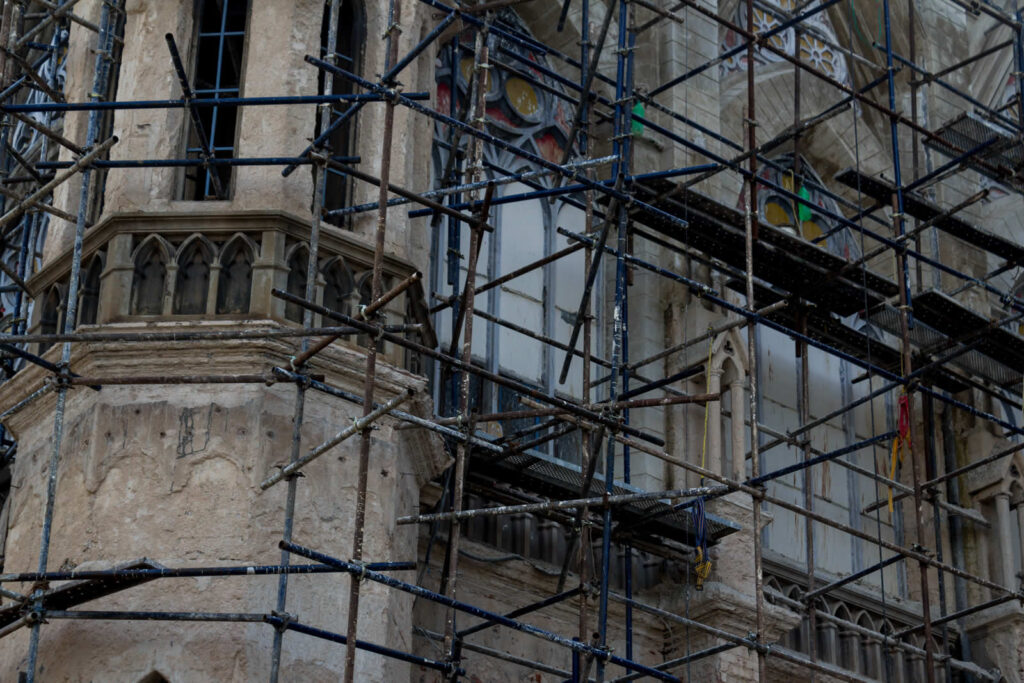
Public-facing commercial access is often needed when scaffolding is installed near pavements, entrances, customers, residents, staff or visitors. This is common around high street shops, office buildings, hotels, apartment blocks, schools, hospitals and leisure facilities.
A commercial scaffold in a public area may need more than working platforms. It can require protected walkways, edge protection, warning signs, lighting, pavement fans, hoarding, scaffold alarms, debris netting or temporary routes around the work zone.
These features can increase the cost, but they are often essential where people continue to pass close to the structure. A scaffold outside an active building has to support the work while helping to maintain safe access for everyone nearby.
The aim is to reduce disruption without compromising safety. A carefully planned public access scaffold can allow refurbishment, maintenance or repair work to continue while entrances, walkways and business operations remain controlled.
Commercial roof scaffolding is used when safe access is needed for roof repairs, full replacement, gutter works, skylight maintenance, solar panel installation, plant access or temporary weather protection. Larger roofs often require more planning than smaller domestic projects because the access route, loading points and safety zones are more involved.
A roof scaffold for a warehouse, school, office block or hotel may include edge protection, access stairs, loading bays, debris netting and temporary roof sections. Where the building remains occupied, the scaffold may also need to protect entrances, car parks and delivery routes.
The cost depends on height, roof size, working area, scaffold design and how long the structure remains in place. A small roof access platform may be relatively modest, while a large commercial temporary roof can be one of the more expensive scaffold arrangements.
Scaffold Calculator helps users understand whether a standard scaffold, commercial roof scaffold, access tower, loading bay or temporary roof system is likely to be the better fit for their project.
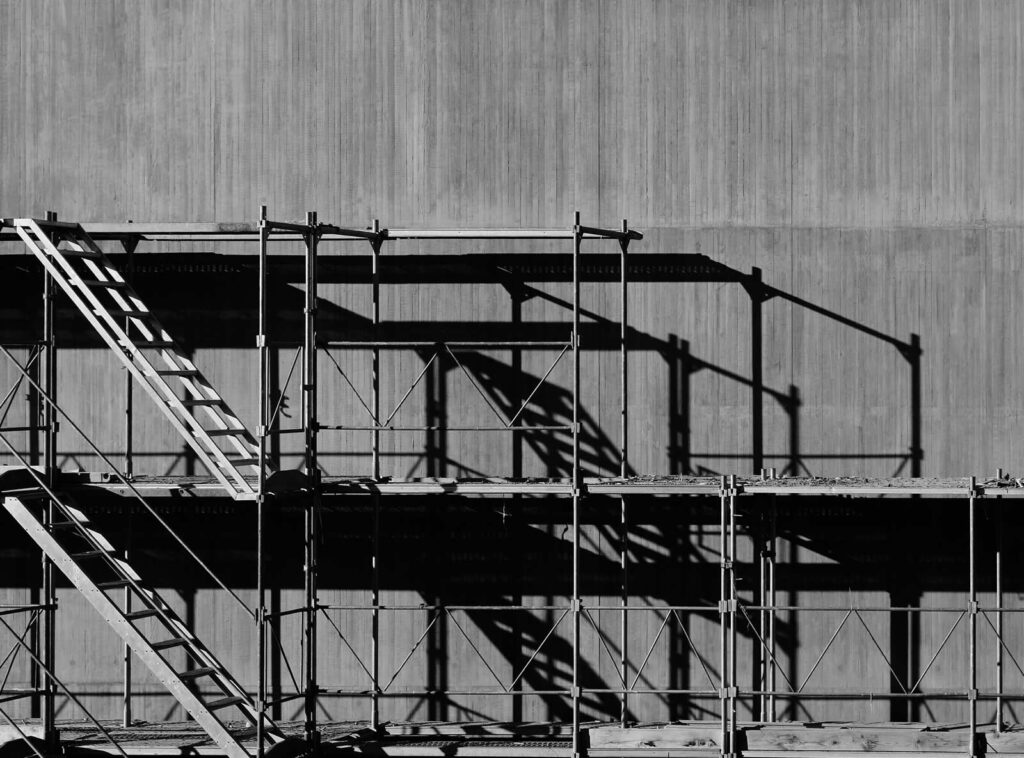
Commercial scaffolding can include several different access systems depending on the building, industry and job. The right option may be a basic elevation scaffold, a full perimeter scaffold, a temporary roof, a loading bay, a stair tower, a gantry, a scaffold bridge or an access platform linked to a larger structure.
Common options include commercial access scaffolding, public access scaffolding, office building scaffolding, retail scaffolding systems, warehouse scaffolding, industrial scaffolding hire, commercial roof scaffolding and multi-storey scaffolding hire.
A scaffold for a retail unit may focus on keeping the entrance visible and accessible. A scaffold for a logistics warehouse may focus on roof access and material handling. A scaffold for a school or healthcare building may need phasing, barriers and protected routes.
The best system depends on the work, the users, the risks and the building layout. Price should follow the specification because cutting the scaffold back too far can lead to delays, alterations or unsafe access later.
A business may need scaffolding when repairs, inspections, decoration, signage, roofing, cleaning or refurbishment work cannot be carried out safely from ground level. Commercial scaffolding gives trades a stable working platform and helps keep access organised around active premises.
It is useful for high street shops, offices, hotels, restaurants, warehouses, factories, schools, hospitals, care homes, apartment blocks and public buildings. It can also be used by landlords, facilities managers, local authorities, construction companies and property maintenance teams.
Commercial scaffolding can support planned maintenance, emergency repairs, façade improvements, insurance works, structural surveys, cladding replacement, window upgrades and roof access. On busier sites, it can also help separate workers from staff, customers or pedestrians.
The main benefit is controlled access. Instead of relying on unsuitable ladders, mobile towers or improvised routes, a commercial scaffold gives workers a safer and more practical way to reach the areas that need attention.
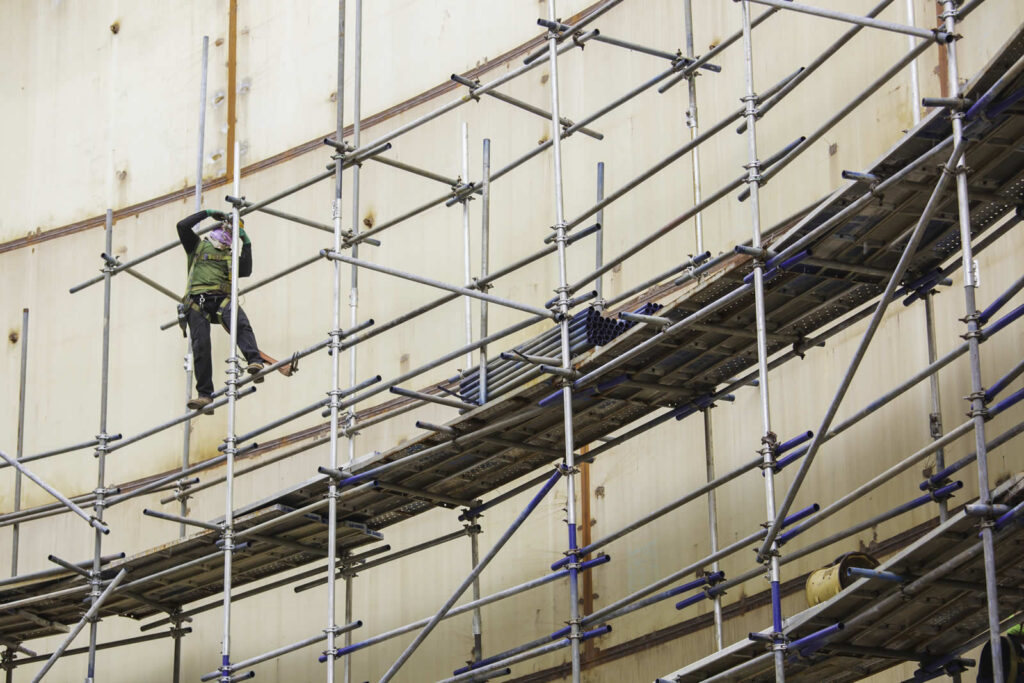
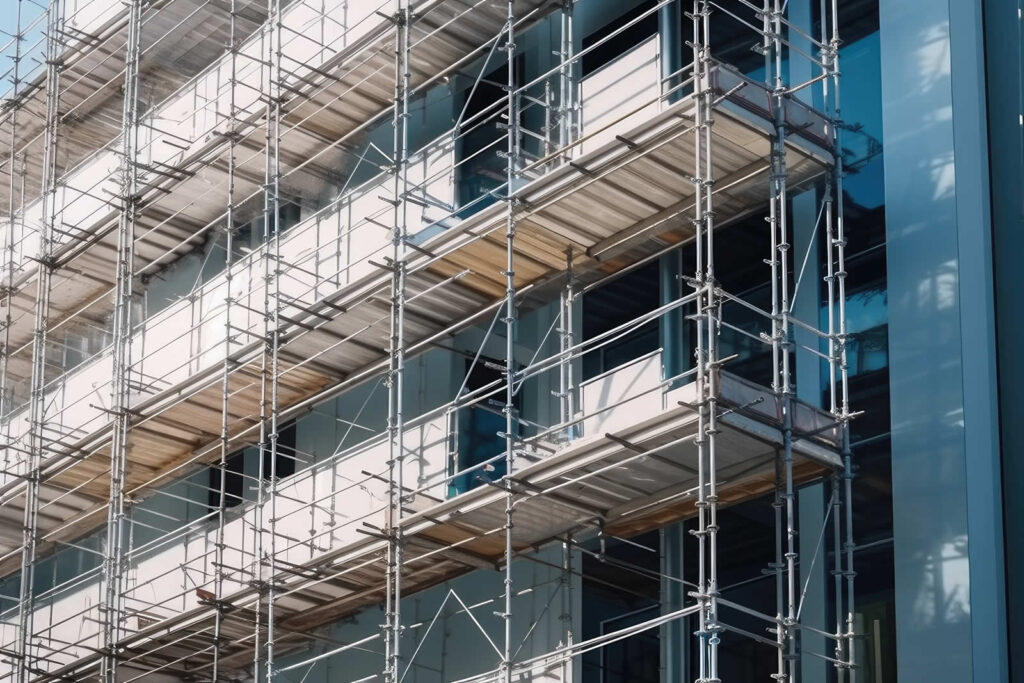
Scaffold Calculator helps users get a clearer idea of what commercial scaffold hire may cost before contacting suppliers. It is useful when you need to budget for a business premises, public building, industrial site, retail unit, office block or larger refurbishment project.
Commercial scaffolding prices can be difficult to estimate without context because the final quote can change with only a few adjustments. Extra height, a longer elevation, a loading bay, public protection, sheeting, a stair tower or a longer hire period can all move the price upwards.
The website is designed to make scaffold pricing easier to understand for property managers, builders, landlords, business owners, maintenance teams and commercial contractors. It explains common scaffold types, likely price bands and the main reasons quotes vary.
It does not replace a site-specific quote, but it gives you a more informed starting point. That means you can compare commercial scaffold contractors more confidently and ask better questions before work begins.
Commercial scaffold hire is used across the UK for business, public-sector, industrial and construction projects. Costs differ by region because labour rates, transport, parking, access restrictions, permit requirements and local scaffold demand are not the same everywhere.
A scaffold around a city-centre shop or office may need more planning than a scaffold around a warehouse on an open industrial estate. Busy roads, tight loading areas, pedestrian routes and restricted working hours can all increase the amount of labour and coordination required.
Projects in larger populated areas such as London, Manchester, Birmingham, Sheffield, Leeds, Bristol, Liverpool, Nottingham, Newcastle, Cardiff, Leicester and Glasgow can vary depending on site conditions and local access rules.
Scaffold Calculator helps users understand these differences before requesting quotes, so they can see why one commercial scaffolding project may cost far more than another even when the visible structure looks similar.