Debris & Protection Fans Cost Calculator
Estimate debris & protection fans hire costs for UK projects where access, support, protection, labour and site restrictions need more thought than a basic scaffold quote.
Estimate debris & protection fans hire costs for UK projects where access, support, protection, labour and site restrictions need more thought than a basic scaffold quote.
You normally find that this debris & protection fans section, protecting the pavement while work happens above, is where the quote starts to become specific. The job is shaped by overhead protection where people, entrances or pavements sit below active work, so a price based only on height or frontage width will usually miss something important. You need to think about how the scaffold will be delivered, where the labour can work, what must stay open around it and what could change once the first lift or support is in place.
The awkward part is that the debris & protection fans supporting system may involve fan boards, debris netting, crash decks, pavement gantries, and that affects both cost and programme. A project connected with high street refurbishments, tower blocks, retail entrances, hotel frontages can also bring different working hours, permits, supervision requirements and inspection expectations. The safest quote is the one that explains what has been allowed for, not the one that hides every assumption behind a single lump sum.
The awkward part is that this debris & protection fans section, how projection, height and street width affect the design, is where the quote starts to become specific. The job is shaped by overhead protection where people, entrances or pavements sit below active work, so a price based only on height or frontage width will usually miss something important. You need to think about how the scaffold will be delivered, where the labour can work, what must stay open around it and what could change once the first lift or support is in place.
The usual debris & protection fans cost drivers are not all visible from the street. You may be paying for design checks, extra labour, out-of-hours delivery, inspections after bad weather and slower erection where the work area is tight. In places such as London, Manchester, Bristol, Birmingham, Leeds, Sheffield and Glasgow, parking, permits and traffic management can become part of the scaffold price rather than a separate afterthought.
For a realistic quote, this debris & protection fans section, entrances, shopfronts and routes that must stay open, is where the quote starts to become specific. The job is shaped by overhead protection where people, entrances or pavements sit below active work, so a price based only on height or frontage width will usually miss something important. You need to think about how the scaffold will be delivered, where the labour can work, what must stay open around it and what could change once the first lift or support is in place.
The site usually decides whether the debris & protection fans supporting system may involve fan boards, debris netting, crash decks, pavement gantries, and that affects both cost and programme. A project connected with high street refurbishments, tower blocks, retail entrances, hotel frontages can also bring different working hours, permits, supervision requirements and inspection expectations. The safest quote is the one that explains what has been allowed for, not the one that hides every assumption behind a single lump sum.
Before anyone commits, this debris & protection fans section, why falling object risk changes the quote quickly, is where the quote starts to become specific. The job is shaped by overhead protection where people, entrances or pavements sit below active work, so a price based only on height or frontage width will usually miss something important. You need to think about how the scaffold will be delivered, where the labour can work, what must stay open around it and what could change once the first lift or support is in place.
Where the job gets difficult, the debris & protection fans supporting system may involve fan boards, debris netting, crash decks, pavement gantries, and that affects both cost and programme. A project connected with high street refurbishments, tower blocks, retail entrances, hotel frontages can also bring different working hours, permits, supervision requirements and inspection expectations. The safest quote is the one that explains what has been allowed for, not the one that hides every assumption behind a single lump sum.
A careful scaffold firm will this debris & protection fans section, permissions, lighting and public-facing details, is where the quote starts to become specific. The job is shaped by overhead protection where people, entrances or pavements sit below active work, so a price based only on height or frontage width will usually miss something important. You need to think about how the scaffold will be delivered, where the labour can work, what must stay open around it and what could change once the first lift or support is in place.
In practice, the debris & protection fans supporting system may involve fan boards, debris netting, crash decks, pavement gantries, and that affects both cost and programme. A project connected with high street refurbishments, tower blocks, retail entrances, hotel frontages can also bring different working hours, permits, supervision requirements and inspection expectations. The safest quote is the one that explains what has been allowed for, not the one that hides every assumption behind a single lump sum.
Budget ranges for debris & protection fans where the final figure may change after measurements, drawings, inspection requirements and local access checks.
For debris & protection fans, how much do debris protection fans cost depends on the scale of the job, the hire period and the amount of planning needed before the scaffold team arrives. The purpose is not to make the work platform easier for the trade above, but to protect the people, doors, cars and pavements below. That public-facing risk is why the projection, fixing detail and inspection routine matter as much as the scaffold size.
Useful details for debris & protection fans include the building type, working height, available loading area, expected hire length and whether the scaffold needs to interact with fan boards, debris netting, crash decks, pavement gantries. On high street refurbishments projects, you should also allow for inspections, weather delays, delivery restrictions and any alteration charges if the work sequence changes.
A straight debris & protection fans answer is possible only after the site conditions have been checked, because it is priced around risk as well as size. The purpose is not to make the work platform easier for the trade above, but to protect the people, doors, cars and pavements below. That public-facing risk is why the projection, fixing detail and inspection routine matter as much as the scaffold size.
Useful details for debris & protection fans include the building type, working height, available loading area, expected hire length and whether the scaffold needs to interact with fan boards, debris netting, crash decks, pavement gantries. On high street refurbishments projects, you should also allow for inspections, weather delays, delivery restrictions and any alteration charges if the work sequence changes.
The debris & protection fans price or decision usually comes down to access, loading, programme pressure and how many people or neighbouring areas could be affected. The purpose is not to make the work platform easier for the trade above, but to protect the people, doors, cars and pavements below. That public-facing risk is why the projection, fixing detail and inspection routine matter as much as the scaffold size.
For a better debris & protection fans quote, send the following before the first visit:
Useful details for debris & protection fans include the building type, working height, available loading area, expected hire length and whether the scaffold needs to interact with fan boards, debris netting, crash decks, pavement gantries. On high street refurbishments projects, you should also allow for inspections, weather delays, delivery restrictions and any alteration charges if the work sequence changes.
You should treat debris & protection fans as a site-specific question rather than a fixed menu item, especially where falling materials are involved. The purpose is not to make the work platform easier for the trade above, but to protect the people, doors, cars and pavements below. That public-facing risk is why the projection, fixing detail and inspection routine matter as much as the scaffold size.
Useful details for debris & protection fans include the building type, working height, available loading area, expected hire length and whether the scaffold needs to interact with fan boards, debris netting, crash decks, pavement gantries. On high street refurbishments projects, you should also allow for inspections, weather delays, delivery restrictions and any alteration charges if the work sequence changes.
For most debris & protection fans projects, the scaffold company will want photos, measurements and a clear description of the work before giving a reliable figure. The purpose is not to make the work platform easier for the trade above, but to protect the people, doors, cars and pavements below. That public-facing risk is why the projection, fixing detail and inspection routine matter as much as the scaffold size.
Useful details for debris & protection fans include the building type, working height, available loading area, expected hire length and whether the scaffold needs to interact with fan boards, debris netting, crash decks, pavement gantries. On high street refurbishments projects, you should also allow for inspections, weather delays, delivery restrictions and any alteration charges if the work sequence changes.
For debris & protection fans, how far should a debris fan project from the building depends on the scale of the job, the hire period and the amount of planning needed before the scaffold team arrives. The purpose is not to make the work platform easier for the trade above, but to protect the people, doors, cars and pavements below. That public-facing risk is why the projection, fixing detail and inspection routine matter as much as the scaffold size.
Useful details for debris & protection fans include the building type, working height, available loading area, expected hire length and whether the scaffold needs to interact with fan boards, debris netting, crash decks, pavement gantries. On high street refurbishments projects, you should also allow for inspections, weather delays, delivery restrictions and any alteration charges if the work sequence changes.
A straight debris & protection fans answer is possible only after the site conditions have been checked, because it is priced around risk as well as size. The purpose is not to make the work platform easier for the trade above, but to protect the people, doors, cars and pavements below. That public-facing risk is why the projection, fixing detail and inspection routine matter as much as the scaffold size.
Useful details for debris & protection fans include the building type, working height, available loading area, expected hire length and whether the scaffold needs to interact with fan boards, debris netting, crash decks, pavement gantries. On high street refurbishments projects, you should also allow for inspections, weather delays, delivery restrictions and any alteration charges if the work sequence changes.
The debris & protection fans price or decision usually comes down to access, loading, programme pressure and how many people or neighbouring areas could be affected. The purpose is not to make the work platform easier for the trade above, but to protect the people, doors, cars and pavements below. That public-facing risk is why the projection, fixing detail and inspection routine matter as much as the scaffold size.
For a better debris & protection fans quote, send the following before the first visit:
Useful details for debris & protection fans include the building type, working height, available loading area, expected hire length and whether the scaffold needs to interact with fan boards, debris netting, crash decks, pavement gantries. On high street refurbishments projects, you should also allow for inspections, weather delays, delivery restrictions and any alteration charges if the work sequence changes.
You should treat debris & protection fans as a site-specific question rather than a fixed menu item, especially where falling materials are involved. The purpose is not to make the work platform easier for the trade above, but to protect the people, doors, cars and pavements below. That public-facing risk is why the projection, fixing detail and inspection routine matter as much as the scaffold size.
Useful details for debris & protection fans include the building type, working height, available loading area, expected hire length and whether the scaffold needs to interact with fan boards, debris netting, crash decks, pavement gantries. On high street refurbishments projects, you should also allow for inspections, weather delays, delivery restrictions and any alteration charges if the work sequence changes.
For most debris & protection fans projects, the scaffold company will want photos, measurements and a clear description of the work before giving a reliable figure. The purpose is not to make the work platform easier for the trade above, but to protect the people, doors, cars and pavements below. That public-facing risk is why the projection, fixing detail and inspection routine matter as much as the scaffold size.
Useful details for debris & protection fans include the building type, working height, available loading area, expected hire length and whether the scaffold needs to interact with fan boards, debris netting, crash decks, pavement gantries. On high street refurbishments projects, you should also allow for inspections, weather delays, delivery restrictions and any alteration charges if the work sequence changes.
For debris & protection fans, can fans protect cars or entrances depends on the scale of the job, the hire period and the amount of planning needed before the scaffold team arrives. The purpose is not to make the work platform easier for the trade above, but to protect the people, doors, cars and pavements below. That public-facing risk is why the projection, fixing detail and inspection routine matter as much as the scaffold size.
Useful details for debris & protection fans include the building type, working height, available loading area, expected hire length and whether the scaffold needs to interact with fan boards, debris netting, crash decks, pavement gantries. On high street refurbishments projects, you should also allow for inspections, weather delays, delivery restrictions and any alteration charges if the work sequence changes.
A straight debris & protection fans answer is possible only after the site conditions have been checked, because it is priced around risk as well as size. The purpose is not to make the work platform easier for the trade above, but to protect the people, doors, cars and pavements below. That public-facing risk is why the projection, fixing detail and inspection routine matter as much as the scaffold size.
Useful details for debris & protection fans include the building type, working height, available loading area, expected hire length and whether the scaffold needs to interact with fan boards, debris netting, crash decks, pavement gantries. On high street refurbishments projects, you should also allow for inspections, weather delays, delivery restrictions and any alteration charges if the work sequence changes.
The debris & protection fans price or decision usually comes down to access, loading, programme pressure and how many people or neighbouring areas could be affected. The purpose is not to make the work platform easier for the trade above, but to protect the people, doors, cars and pavements below. That public-facing risk is why the projection, fixing detail and inspection routine matter as much as the scaffold size.
For a better debris & protection fans quote, send the following before the first visit:
Useful details for debris & protection fans include the building type, working height, available loading area, expected hire length and whether the scaffold needs to interact with fan boards, debris netting, crash decks, pavement gantries. On high street refurbishments projects, you should also allow for inspections, weather delays, delivery restrictions and any alteration charges if the work sequence changes.
You should treat debris & protection fans as a site-specific question rather than a fixed menu item, especially where falling materials are involved. The purpose is not to make the work platform easier for the trade above, but to protect the people, doors, cars and pavements below. That public-facing risk is why the projection, fixing detail and inspection routine matter as much as the scaffold size.
Useful details for debris & protection fans include the building type, working height, available loading area, expected hire length and whether the scaffold needs to interact with fan boards, debris netting, crash decks, pavement gantries. On high street refurbishments projects, you should also allow for inspections, weather delays, delivery restrictions and any alteration charges if the work sequence changes.
For most debris & protection fans projects, the scaffold company will want photos, measurements and a clear description of the work before giving a reliable figure. The purpose is not to make the work platform easier for the trade above, but to protect the people, doors, cars and pavements below. That public-facing risk is why the projection, fixing detail and inspection routine matter as much as the scaffold size.
Useful details for debris & protection fans include the building type, working height, available loading area, expected hire length and whether the scaffold needs to interact with fan boards, debris netting, crash decks, pavement gantries. On high street refurbishments projects, you should also allow for inspections, weather delays, delivery restrictions and any alteration charges if the work sequence changes.
For debris & protection fans, do debris fans need crash decking as well depends on the scale of the job, the hire period and the amount of planning needed before the scaffold team arrives. The purpose is not to make the work platform easier for the trade above, but to protect the people, doors, cars and pavements below. That public-facing risk is why the projection, fixing detail and inspection routine matter as much as the scaffold size.
Useful details for debris & protection fans include the building type, working height, available loading area, expected hire length and whether the scaffold needs to interact with fan boards, debris netting, crash decks, pavement gantries. On high street refurbishments projects, you should also allow for inspections, weather delays, delivery restrictions and any alteration charges if the work sequence changes.
A straight debris & protection fans answer is possible only after the site conditions have been checked, because it is priced around risk as well as size. The purpose is not to make the work platform easier for the trade above, but to protect the people, doors, cars and pavements below. That public-facing risk is why the projection, fixing detail and inspection routine matter as much as the scaffold size.
Useful details for debris & protection fans include the building type, working height, available loading area, expected hire length and whether the scaffold needs to interact with fan boards, debris netting, crash decks, pavement gantries. On high street refurbishments projects, you should also allow for inspections, weather delays, delivery restrictions and any alteration charges if the work sequence changes.
The debris & protection fans price or decision usually comes down to access, loading, programme pressure and how many people or neighbouring areas could be affected. The purpose is not to make the work platform easier for the trade above, but to protect the people, doors, cars and pavements below. That public-facing risk is why the projection, fixing detail and inspection routine matter as much as the scaffold size.
For a better debris & protection fans quote, send the following before the first visit:
Useful details for debris & protection fans include the building type, working height, available loading area, expected hire length and whether the scaffold needs to interact with fan boards, debris netting, crash decks, pavement gantries. On high street refurbishments projects, you should also allow for inspections, weather delays, delivery restrictions and any alteration charges if the work sequence changes.
You should treat debris & protection fans as a site-specific question rather than a fixed menu item, especially where falling materials are involved. The purpose is not to make the work platform easier for the trade above, but to protect the people, doors, cars and pavements below. That public-facing risk is why the projection, fixing detail and inspection routine matter as much as the scaffold size.
Useful details for debris & protection fans include the building type, working height, available loading area, expected hire length and whether the scaffold needs to interact with fan boards, debris netting, crash decks, pavement gantries. On high street refurbishments projects, you should also allow for inspections, weather delays, delivery restrictions and any alteration charges if the work sequence changes.

The site usually decides whether this debris & protection fans section, choosing fan lines around busy doorways, is where the quote starts to become specific. The job is shaped by overhead protection where people, entrances or pavements sit below active work, so a price based only on height or frontage width will usually miss something important. You need to think about how the scaffold will be delivered, where the labour can work, what must stay open around it and what could change once the first lift or support is in place.
You normally find that the debris & protection fans supporting system may involve fan boards, debris netting, crash decks, pavement gantries, and that affects both cost and programme. A project connected with high street refurbishments, tower blocks, retail entrances, hotel frontages can also bring different working hours, permits, supervision requirements and inspection expectations. The safest quote is the one that explains what has been allowed for, not the one that hides every assumption behind a single lump sum.
Where the job gets difficult, debris & protection fans risks such as falling materials, pavement licences, public shielding and oversailing routes should be discussed before erection begins. Rain, wind, public movement, soft ground, restricted parking and trade delays can all change how long the scaffold remains in use. When those issues are recognised early, the scaffold can be planned as part of the job rather than treated as an awkward extra cost later.
You should expect this debris & protection fans section, pairing protection fans with netting and sheeting, is where the quote starts to become specific. The job is shaped by overhead protection where people, entrances or pavements sit below active work, so a price based only on height or frontage width will usually miss something important. You need to think about how the scaffold will be delivered, where the labour can work, what must stay open around it and what could change once the first lift or support is in place.
For a realistic quote, the debris & protection fans supporting system may involve fan boards, debris netting, crash decks, pavement gantries, and that affects both cost and programme. A project connected with high street refurbishments, tower blocks, retail entrances, hotel frontages can also bring different working hours, permits, supervision requirements and inspection expectations. The safest quote is the one that explains what has been allowed for, not the one that hides every assumption behind a single lump sum.
On many jobs, debris & protection fans risks such as falling materials, pavement licences, public shielding and oversailing routes should be discussed before erection begins. Rain, wind, public movement, soft ground, restricted parking and trade delays can all change how long the scaffold remains in use. When those issues are recognised early, the scaffold can be planned as part of the job rather than treated as an awkward extra cost later.

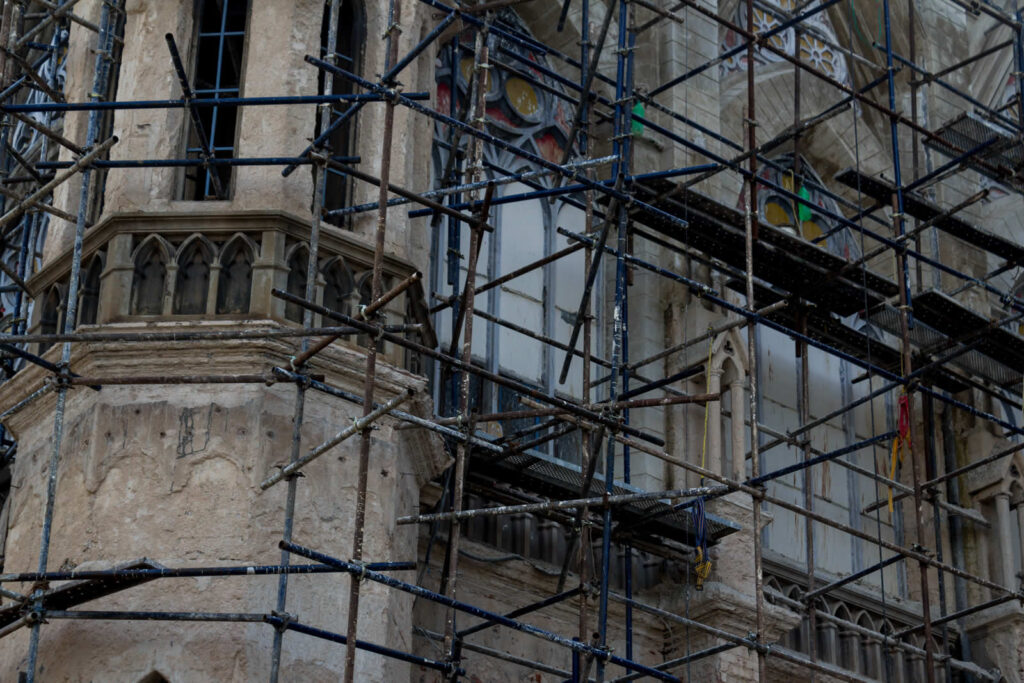
Where the job gets difficult, this debris & protection fans section, managing rubbish chutes, skip areas and deliveries, is where the quote starts to become specific. The job is shaped by overhead protection where people, entrances or pavements sit below active work, so a price based only on height or frontage width will usually miss something important. You need to think about how the scaffold will be delivered, where the labour can work, what must stay open around it and what could change once the first lift or support is in place.
A practical debris & protection fans site review should separate what looks easy from what will actually slow the crew down. For debris & protection fans, that often means checking:
A careful scaffold firm will the debris & protection fans supporting system may involve fan boards, debris netting, crash decks, pavement gantries, and that affects both cost and programme. A project connected with high street refurbishments, tower blocks, retail entrances, hotel frontages can also bring different working hours, permits, supervision requirements and inspection expectations. The safest quote is the one that explains what has been allowed for, not the one that hides every assumption behind a single lump sum.
For a realistic quote, debris & protection fans risks such as falling materials, pavement licences, public shielding and oversailing routes should be discussed before erection begins. Rain, wind, public movement, soft ground, restricted parking and trade delays can all change how long the scaffold remains in use. When those issues are recognised early, the scaffold can be planned as part of the job rather than treated as an awkward extra cost later.
A sensible plan starts when this debris & protection fans section, working above cafes, flats and retail parades, is where the quote starts to become specific. The job is shaped by overhead protection where people, entrances or pavements sit below active work, so a price based only on height or frontage width will usually miss something important. You need to think about how the scaffold will be delivered, where the labour can work, what must stay open around it and what could change once the first lift or support is in place.
You should expect the debris & protection fans supporting system may involve fan boards, debris netting, crash decks, pavement gantries, and that affects both cost and programme. A project connected with high street refurbishments, tower blocks, retail entrances, hotel frontages can also bring different working hours, permits, supervision requirements and inspection expectations. The safest quote is the one that explains what has been allowed for, not the one that hides every assumption behind a single lump sum.
The site usually decides whether debris & protection fans risks such as falling materials, pavement licences, public shielding and oversailing routes should be discussed before erection begins. Rain, wind, public movement, soft ground, restricted parking and trade delays can all change how long the scaffold remains in use. When those issues are recognised early, the scaffold can be planned as part of the job rather than treated as an awkward extra cost later.

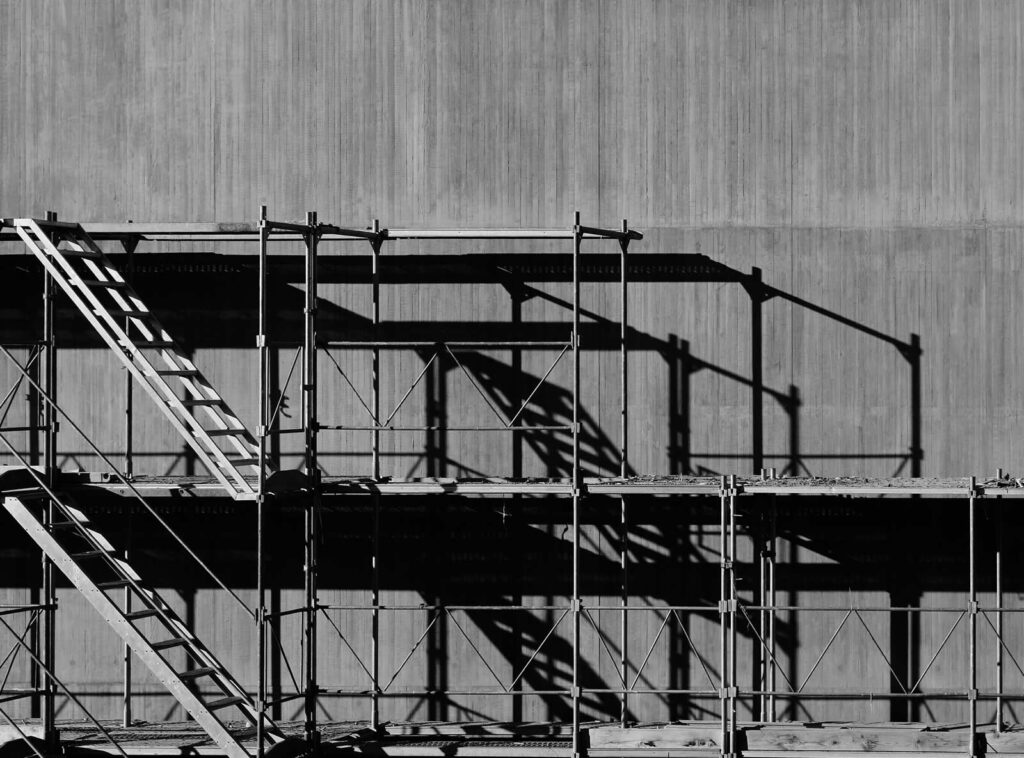
In practice, this debris & protection fans section, weather checks on exposed fan boards, is where the quote starts to become specific. The job is shaped by overhead protection where people, entrances or pavements sit below active work, so a price based only on height or frontage width will usually miss something important. You need to think about how the scaffold will be delivered, where the labour can work, what must stay open around it and what could change once the first lift or support is in place.
A sensible plan starts when the debris & protection fans supporting system may involve fan boards, debris netting, crash decks, pavement gantries, and that affects both cost and programme. A project connected with high street refurbishments, tower blocks, retail entrances, hotel frontages can also bring different working hours, permits, supervision requirements and inspection expectations. The safest quote is the one that explains what has been allowed for, not the one that hides every assumption behind a single lump sum.
A sensible plan starts when debris & protection fans risks such as falling materials, pavement licences, public shielding and oversailing routes should be discussed before erection begins. Rain, wind, public movement, soft ground, restricted parking and trade delays can all change how long the scaffold remains in use. When those issues are recognised early, the scaffold can be planned as part of the job rather than treated as an awkward extra cost later.
On many jobs, this debris & protection fans section, how night work can change the setup, is where the quote starts to become specific. The job is shaped by overhead protection where people, entrances or pavements sit below active work, so a price based only on height or frontage width will usually miss something important. You need to think about how the scaffold will be delivered, where the labour can work, what must stay open around it and what could change once the first lift or support is in place.
On many jobs, the debris & protection fans supporting system may involve fan boards, debris netting, crash decks, pavement gantries, and that affects both cost and programme. A project connected with high street refurbishments, tower blocks, retail entrances, hotel frontages can also bring different working hours, permits, supervision requirements and inspection expectations. The safest quote is the one that explains what has been allowed for, not the one that hides every assumption behind a single lump sum.
You normally find that debris & protection fans risks such as falling materials, pavement licences, public shielding and oversailing routes should be discussed before erection begins. Rain, wind, public movement, soft ground, restricted parking and trade delays can all change how long the scaffold remains in use. When those issues are recognised early, the scaffold can be planned as part of the job rather than treated as an awkward extra cost later.
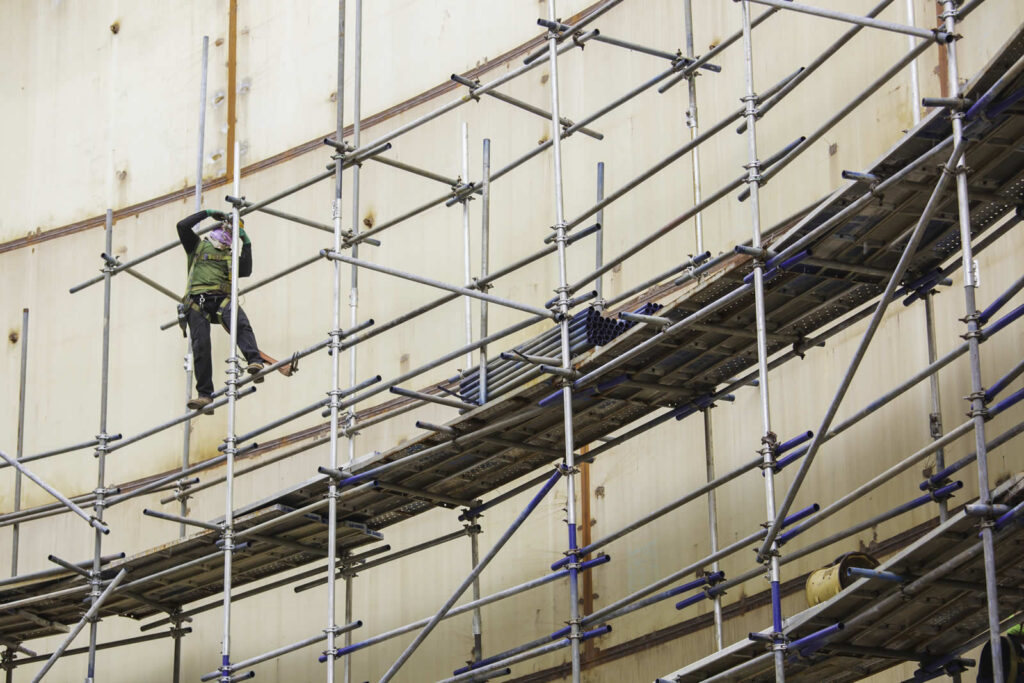

You normally find that this debris & protection fans section, comparing fan coverage on different elevations, is where the quote starts to become specific. The job is shaped by overhead protection where people, entrances or pavements sit below active work, so a price based only on height or frontage width will usually miss something important. You need to think about how the scaffold will be delivered, where the labour can work, what must stay open around it and what could change once the first lift or support is in place.
The awkward part is that the debris & protection fans supporting system may involve fan boards, debris netting, crash decks, pavement gantries, and that affects both cost and programme. A project connected with high street refurbishments, tower blocks, retail entrances, hotel frontages can also bring different working hours, permits, supervision requirements and inspection expectations. The safest quote is the one that explains what has been allowed for, not the one that hides every assumption behind a single lump sum.
Before anyone commits, debris & protection fans risks such as falling materials, pavement licences, public shielding and oversailing routes should be discussed before erection begins. Rain, wind, public movement, soft ground, restricted parking and trade delays can all change how long the scaffold remains in use. When those issues are recognised early, the scaffold can be planned as part of the job rather than treated as an awkward extra cost later.