Emergency Scaffolding Cost Calculator
Estimate the likely cost of urgent scaffold hire for storm damage, unsafe buildings, fire damage, roof failures, dangerous structures and same-day temporary access.
Estimate the likely cost of urgent scaffold hire for storm damage, unsafe buildings, fire damage, roof failures, dangerous structures and same-day temporary access.
Find out what your scaffolding is likely to cost in minutes. Enter your property type, scaffold size, location, hire duration, and any common extras to receive a realistic guide price before requesting a formal quote.
Emergency Scaffolding is used when a building, roof, chimney, façade, sign, wall, scaffold or temporary structure becomes unsafe and urgent access or support is needed. It is commonly required after storms, fire damage, vehicle impact, roof collapse, falling masonry, loose chimney stacks, dangerous façades, structural movement, vandalism, water damage or sudden building failure.
For 2026, small emergency scaffold hire may start from around £750 to £1,800 for a short urgent access scaffold or temporary safety platform. Medium emergency scaffolding for roof damage, unstable chimneys, damaged shopfronts, loose masonry or unsafe elevations may sit between £1,800 and £5,500. Larger dangerous structure scaffolding, emergency shoring scaffold, fire-damage access or public safety scaffold can range from £6,000 to £25,000+ depending on response time, risk, height, design, labour, permits, protection and hire duration.
Emergency scaffolding is used to make a dangerous situation safer, provide urgent access, protect the public or allow repair teams to investigate damage. It can be needed on houses, shops, offices, schools, hospitals, warehouses, churches, apartment blocks, hotels, factories, listed buildings and public-facing properties where a delay could increase risk.
It is different from planned scaffold hire because the job usually starts with uncertainty. The contractor may not know the full damage until the site is inspected. The first stage is often to stabilise, restrict access and prevent the problem from getting worse before permanent repairs are arranged.
The process normally begins with the emergency callout. The scaffold company needs the address, photos if safe to take, the type of incident, the affected area, whether anyone is at risk, and whether the scaffold may affect a pavement, road, neighbouring property or public entrance. If there is immediate danger, the area should be kept clear while the situation is assessed by the right professionals.
The next stage is rapid risk assessment. The scaffold team considers what has failed, what could fall, where people are walking, how the structure can be approached safely, and whether other parties need to be involved. On serious incidents, this may include the local authority, building control, emergency services, insurers, structural engineers, roofers or demolition specialists.
After the first assessment, the scaffold plan is agreed. Emergency scaffolding may need to provide access, support, containment, public protection or all of these at once. A simple roof access scaffold may be enough for missing tiles, while a dangerous structure scaffold may need heavy-duty support, debris netting, edge protection, exclusion zones, hoarding, pavement fans, temporary roof sections or shoring.
The installation process must still be controlled, even when the job is urgent. The scaffolders deliver materials, segregate the work area, position base plates and standards, build the scaffold in a safe sequence, add ties and bracing, and install platforms, guardrails, toe boards or protective elements as required. Speed matters, but it cannot replace safe erection and proper judgement.
Once the scaffold is up, the structure should be inspected and handed over before other trades use it. If the scaffold is supporting an unsafe building, damaged chimney, unstable wall or fire-damaged façade, it may need closer monitoring than a normal access scaffold. Further alterations may be needed once roofers, engineers or repair contractors uncover the true extent of the damage.
The final stage is removal, but only when the danger has been resolved. Emergency scaffolding should not be dismantled just because the immediate panic has passed. It should stay in place until permanent repairs, inspections, approvals or stabilisation works are complete and the building can safely stand without the temporary access or support.
A small same-day scaffold for emergency roof access, loose guttering, slipped tiles, minor storm damage or chimney inspection may cost around £750 to £1,800. A more involved emergency scaffold for damaged masonry, unstable roof edges, shopfront protection, chimney repair or temporary access after fire or impact damage may cost around £1,800 to £5,500.
For larger projects, temporary roof scaffolding, dangerous structure support, emergency shoring and public protection scaffolds can cost considerably more. A full emergency façade scaffold, fire-damaged building scaffold, storm-damaged roof scaffold or public highway protection structure may range from £6,000 to £25,000+ depending on scale, urgency and how long it remains in place.
Emergency scaffolding usually costs more than planned scaffold hire because the contractor may need to respond outside normal working hours, rearrange teams, source materials quickly, work in difficult conditions or install protection before the full scope is known. Night work, weekend work, storm conditions, road restrictions and public safety requirements can all increase the quote.
The highest costs usually appear when the scaffold has to protect the public, support a damaged structure, work near live roads, or remain in place while engineers and insurers decide on permanent repairs. In those cases, the scaffold is part of the emergency control plan rather than a simple access platform.
The best way to control emergency scaffold hire costs is to provide clear information quickly. Safe photos, a description of the damage, the number of storeys, access details and whether the problem affects a public area can help the scaffold company send the right team and materials.
It also helps to coordinate the follow-on work as soon as the scaffold is safe to use. Roofers, structural engineers, insurers, surveyors, builders and repair teams should inspect the damage while the scaffold is in place. Scaffold Calculator helps users compare likely emergency scaffolding costs before requesting urgent quotes in places such as London, Manchester, Birmingham, Leeds, Sheffield, Bristol, Liverpool, Nottingham, Cardiff and Glasgow.
Estimated costs for urgent scaffold hire, dangerous structure scaffolding, temporary protection, emergency roof access and rapid response scaffold support. Guide prices only.
Emergency scaffolding can cost from around £750 for a small urgent access scaffold to £25,000+ for major dangerous structure support. Most urgent roof, chimney or façade scaffolds fall between £1,500 and £5,500, depending on access, height, response time and hire duration.
The price is usually higher than planned scaffold hire because the job may involve out-of-hours labour, immediate mobilisation, public protection, temporary works planning or uncertain site conditions.
Scaffold Calculator gives a rough guide, but emergency scaffold quotes need to be based on the actual risk and location.
Emergency scaffolding is urgent scaffold access or support installed when a building, roof, chimney, wall, façade or structure has become unsafe. It is used to protect people, stabilise damaged areas, provide access for inspection or allow repair teams to work safely.
It is commonly used after storms, fires, roof failures, falling masonry, vehicle impact, scaffold damage, vandalism, water ingress or sudden structural movement.
The main purpose is to make the situation safer quickly while longer-term repairs are assessed and arranged.
Emergency scaffolding may be needed when there is a risk of falling materials, unstable masonry, unsafe roof edges, damaged chimneys, loose tiles, cracked façades, fire-damaged walls, collapsed sections or public danger near a building.
It can also be needed when a contractor requires urgent safe access to inspect or repair a problem before it worsens.
If the issue affects a pavement, road, entrance or neighbouring property, temporary protection may be needed before permanent repairs start.
The process starts with an urgent call or quote request. The scaffold company will usually ask for the address, photos, property height, type of damage, access restrictions and whether the scaffold will affect the public highway.
Next, the site is assessed. The scaffold contractor decides what access, protection or support is needed and whether engineers, local authorities, insurers or emergency services may need to be involved.
The scaffold is then erected, inspected and handed over before repair contractors use it.
Yes, emergency scaffolding can sometimes be installed the same day if scaffolders, materials and safe access are available. Same-day scaffolding is most likely where the structure is straightforward and the risk is clear.
More complex emergencies may need temporary measures first, followed by a fuller scaffold design once the site has been assessed.
Same-day installation may cost more because the contractor has to prioritise the job quickly and possibly work outside normal hours.
If there is an immediate risk to life or a serious risk to property, emergency scaffolding may sometimes be erected immediately, but the local authority requirements still need to be dealt with afterwards. Rules vary by council and by whether the scaffold affects a public road, pavement or highway.
For normal scaffold works on a public highway, a licence is usually needed from the local authority.
The scaffold company should advise what is required once the immediate danger has been controlled.
During an emergency scaffold survey, the contractor checks the damaged area, access points, ground conditions, public risk, building height and what the scaffold needs to achieve. The survey may be quick, but it still needs to identify the main hazards.
The contractor may look for loose masonry, unstable chimneys, damaged gutters, unsafe roof edges, cracked walls, falling debris, fire damage, impact damage or signs that the structure is moving.
The survey helps decide whether the job needs access scaffolding, support scaffolding, temporary roofing, hoarding, netting, barriers or engineered shoring.
Yes, emergency scaffolding can sometimes be used to support or stabilise a dangerous structure, but this must be planned carefully. Dangerous structure support may need input from a structural engineer or temporary works designer.
The scaffold may need to hold back a wall, support loose masonry, protect the public or create safe access for inspection and repair.
This type of scaffold is more complex than a normal access scaffold because it may be carrying or restraining structural loads.
Yes, emergency scaffolding is commonly used after storm damage. It may provide safe access to missing tiles, damaged chimneys, loose ridge tiles, broken gutters, unstable roof edges, damaged cladding or fallen debris.
Storm-related scaffold work can also involve temporary roof protection, sheeting, edge protection or barriers to stop people entering unsafe areas.
After severe weather, the scaffold itself must also be inspected if it is already standing or if it has been exposed to conditions that could affect stability.
Yes, emergency scaffolding can be used after a fire to provide safe access, support damaged areas, protect the public or allow surveyors and repair teams to inspect the building. Fire damage can weaken walls, roofs, floors, chimneys and façades.
The first scaffold may only be a temporary safety measure. A larger scaffold may then be needed once the full repair plan is known.
Fire-damaged buildings can be unpredictable, so engineer input may be needed before extensive scaffold access or repair work begins.
Yes, emergency scaffolding is often used when a chimney stack becomes loose, cracked, leaning or damaged after storms, impact, fire or long-term decay. The scaffold gives roofers or bricklayers safe access to inspect and repair the stack.
If bricks, pots or flaunching could fall, the area below may need to be cordoned off before scaffold work starts.
The scaffold may need to reach ridge height or form a working platform around the chimney so repairs can be completed safely.
Emergency scaffolding stays up until the danger has been removed and permanent repairs are complete or the structure has been made safe. Some emergency scaffolds are needed for a few days, while others remain for weeks or months.
The hire period depends on repair times, inspections, insurance approval, engineer reports, material availability and local authority requirements.
Extra weekly hire charges may apply if the scaffold stays in place longer than the initial quote period.
Yes, emergency scaffolding needs inspection before use and during the hire period. Construction scaffolds should be inspected before first use, at least every 7 days, and after events such as adverse weather, impact or substantial alteration.
Emergency scaffolds may need closer attention because they are often installed around damaged, unstable or changing structures.
The scaffold contractor should confirm who is responsible for ongoing inspection records.
Yes, emergency scaffolding can be used to protect the public from falling materials, unstable façades, damaged roofs, unsafe chimneys or exposed building areas. It may include barriers, hoarding, fans, netting, lighting, warning signs or protected pedestrian routes.
Public protection is common near pavements, roads, shops, schools, apartment blocks and commercial buildings.
Where a scaffold stands on or over a public highway, the local authority or highway authority may need to be involved.
Yes, emergency scaffolding can include temporary roofing where the building needs protection from rain, wind or further weather damage. This is common after storm damage, fire damage, roof collapse or major roof leaks.
A temporary roof usually costs more than simple access scaffolding because it needs extra structure, sheeting and design consideration.
The scaffold company should confirm whether the quote is for access only or includes temporary weather protection.
The main cost factors are urgency, height, access, scaffold size, risk level, public protection, hire duration and whether structural support is needed. Out-of-hours response, night work, weekend labour and difficult weather can also increase the price.
Other cost factors include:
The more dangerous or uncertain the situation, the more careful the scaffold plan needs to be.
Emergency scaffolding may be covered by insurance depending on the cause of damage and the policy terms. Storm damage, fire damage, impact damage or escape-of-water damage may involve an insurer, loss adjuster or approved contractor.
The property owner may still need to arrange immediate safety measures if there is a risk to people or property.
Keep photos, invoices, reports and scaffold details because insurers may ask for evidence of the emergency and the work carried out.
Emergency scaffolding should only be altered by competent scaffolders. Once repair contractors inspect the damage, they may ask for extra platforms, wider access, more protection or changes to the scaffold layout.
Any alteration should be planned, carried out safely and inspected before the scaffold is used again.
Unauthorised changes can make the scaffold unsafe, especially if it is protecting the public or supporting a damaged structure.
Compare emergency scaffolding quotes by checking what is included, not just the headline price. Make sure the quote explains the response, scaffold type, hire period, access areas, protection measures, inspections, dismantling and any extra weekly charges.
Also check whether VAT, permits, temporary roofing, public protection, out-of-hours labour, engineering input and scaffold alterations are included.
A cheaper emergency quote may not be better if it excludes the safety measures needed for the actual risk.
To get an emergency scaffolding quote, provide the address, safe photos, type of damage, property height, access details and whether the issue affects a pavement, road, neighbour, entrance or public area.
Useful details include:
Scaffold Calculator can help you understand rough emergency scaffolding prices before requesting urgent local quotes.
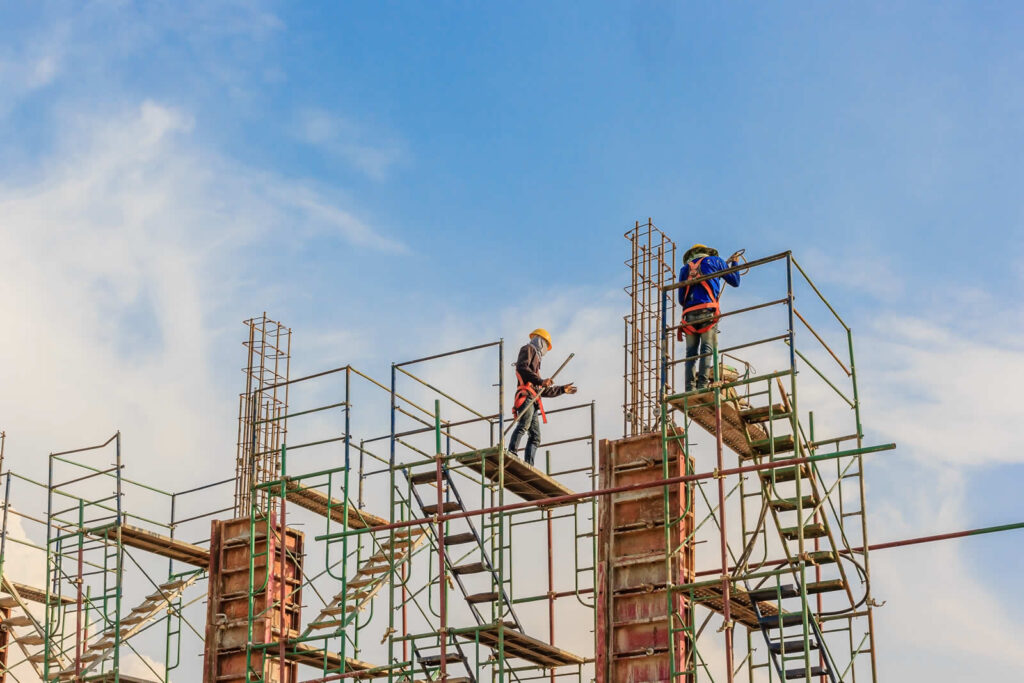
Emergency scaffolding gives roofers, builders, engineers, insurers and repair teams urgent access when a building has become unsafe or exposed. It is used for storm damage, fire damage, unstable chimneys, dangerous walls, loose façades, damaged roofs, falling masonry and public protection.
Scaffold Calculator helps users understand likely emergency scaffold hire costs before requesting quotes. Whether the job involves same day scaffolding, emergency roof access, dangerous structure scaffolding, temporary support, emergency shoring, public protection or temporary weather cover, the setup needs to match the risk.
The process usually starts with a fast assessment. The scaffold company checks the damage, access, public risk, building height, ground conditions and whether the scaffold is needed for access, support, containment or protection.
A properly planned emergency scaffold can reduce immediate risk, make inspection safer and give follow-on contractors a controlled way to complete repairs without relying on unsafe access.
Emergency scaffold hire is used when waiting for a planned scaffold date would leave people, property or the building at risk. The scaffold may be needed after a storm, fire, vehicle impact, roof leak, chimney failure, falling masonry or sudden structural movement.
The quote process starts with the risk. The scaffold contractor needs to know what is unsafe, where it is located, whether anyone can access the area safely and whether the problem affects the public. This is different from planned scaffolding, where measurements and drawings are usually available before the job begins.
Once the immediate risk is understood, the scaffold can be specified. It may need to provide access for inspection, support for a damaged wall, edge protection around a failed roof, a temporary roof, debris netting, barriers or a protected route for pedestrians.
Good emergency scaffold planning balances speed with safety. The aim is to respond quickly without building a structure that fails to deal with the real hazard.

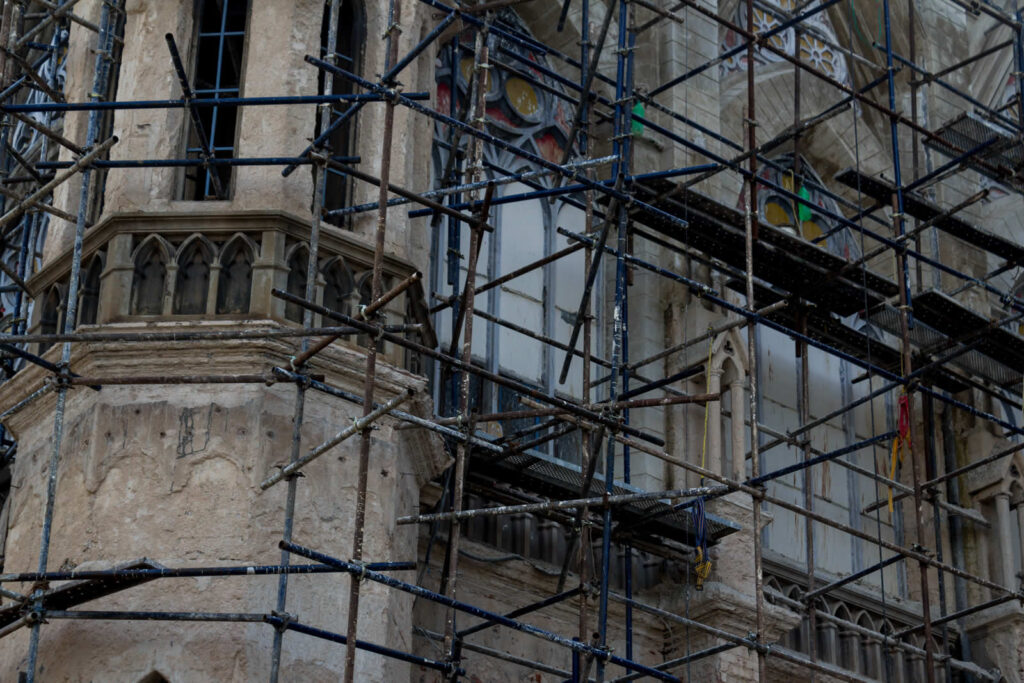
The installation process begins by making the area safer to approach. This may involve cordoning off the affected zone, keeping pedestrians away, moving vehicles, checking overhead risks and deciding where scaffold materials can be safely unloaded.
The scaffolders then build the structure in a controlled sequence. Standards, ledgers, transoms, braces, platforms, guardrails, toe boards and ties are installed according to the risk and layout. If the scaffold is near a public area, extra protection such as barriers, lights, fans or netting may be added.
Emergency work often changes as the scaffold goes up. Once the scaffolders get closer to the damaged area, they may see loose materials, weaker masonry or access problems that were not visible from the ground. The structure may then need to be adapted safely.
After completion, the scaffold should be inspected and handed over before repair teams use it. If the scaffold has been built around a dangerous structure, ongoing checks may be needed until the permanent repair work is complete.
Emergency roof and chimney scaffolding is common after storms, heavy rain, fire damage, loose tiles, collapsed gutters, broken ridge tiles, unstable chimney pots or leaking roof sections. These jobs often need fast access because the damage can worsen if left exposed.
The process usually starts with making the ground below safe. If tiles, bricks, pots or gutters could fall, the area should be kept clear until the scaffold or protection is in place. The scaffold can then give roofers a safer platform to inspect and repair the damage.
For chimneys, the scaffold may need to reach ridge height and provide enough room for repointing, pot removal, flaunching repair or partial rebuilding. For roof damage, it may need edge protection, boarded lifts or temporary sheeting.
Emergency roof scaffolding can also be combined with temporary roofing where the building needs weather protection while repairs are arranged.
Dangerous structure scaffolding is used when a wall, façade, chimney, roof, gable, parapet, shopfront or part of a building may be unstable. The scaffold can create access, provide support, protect the public or help stabilise the structure while engineers and contractors decide the repair method.
The process is more detailed than ordinary scaffold hire. The contractor must consider what could move, what could fall, where people are at risk and whether the scaffold needs to carry, restrain or shield part of the building.
In some cases, the scaffold is installed in stages so the structure is not disturbed suddenly. Bracing, ties, rakers, fans, hoarding, netting or temporary support may be used depending on the damage.
These jobs often need coordination between scaffolders, structural engineers, local authorities, insurers and repair contractors. The scaffold should remain in place until the damaged structure has been repaired or made safe.
You may need emergency scaffolding if a building has become unsafe, exposed or difficult to access after sudden damage. This can include roof failure, storm damage, fire damage, falling masonry, unstable chimneys, loose cladding, damaged parapets, unsafe gutters or impact damage.
Emergency scaffolding is useful for homes, shops, offices, schools, hospitals, warehouses, hotels, apartment blocks, churches, factories, public buildings and listed properties. It can protect people while giving contractors the access they need to inspect and repair the problem.
The main benefit is fast risk control. Instead of waiting until a planned scaffold slot becomes available, an urgent scaffold can help contain the danger and prevent the situation from getting worse.
When planned properly, emergency scaffolding can also make the insurance and repair process easier because surveyors, engineers and contractors can inspect the damage safely.
Scaffold Calculator helps users get a clearer idea of what emergency scaffold hire may cost before contacting suppliers. It is useful when you need a rough budget for urgent scaffold access, same-day scaffolding, dangerous structure support, storm damage scaffolding or temporary roof protection.
Emergency scaffold prices can be difficult to estimate because the cost depends on urgency, height, access, danger level, public risk, response time, out-of-hours labour, hire duration and whether temporary support or weather protection is needed.
The website is designed to make scaffold pricing easier to understand for homeowners, landlords, roofers, builders, insurers, facilities managers, business owners and commercial property teams.
It does not replace an urgent site-specific quote, but it gives you a more informed starting point when comparing emergency scaffolding options.
Emergency scaffolding is used across the UK for domestic, commercial, industrial and public-sector buildings. Costs vary by region because response times, labour rates, transport, parking, permits, public protection and local availability differ from one area to another.
A small emergency scaffold on a clear driveway may be quicker to install than a dangerous structure scaffold outside a city-centre shop, school, office or apartment block. Public-facing projects often need more barriers, lighting, permit action and coordination.
Projects in London, Manchester, Birmingham, Sheffield, Leeds, Bristol, Liverpool, Nottingham, Newcastle, Cardiff, Leicester and Glasgow can vary depending on access, building type, damage severity and whether emergency services or local authorities are involved.
Scaffold Calculator helps users understand why emergency scaffold costs can change quickly from one situation to another, even when the visible damage appears similar.