Industrial Scaffolding Cost Calculator
Estimate the likely cost of industrial scaffold hire for factories, warehouses, plants, power facilities, tanks, pipework, roof access, shutdown work and heavy-duty maintenance projects.
Estimate the likely cost of industrial scaffold hire for factories, warehouses, plants, power facilities, tanks, pipework, roof access, shutdown work and heavy-duty maintenance projects.
Find out what your scaffolding is likely to cost in minutes. Enter your property type, scaffold size, location, hire duration, and any common extras to receive a realistic guide price before requesting a formal quote.
Industrial Scaffolding is used when safe temporary access is needed around factories, warehouses, plants, processing sites, power facilities, tanks, pipework, silos, chimneys, steelwork, loading areas, roof structures and heavy-duty maintenance zones. It is usually more involved than standard domestic or light commercial scaffold hire because industrial sites often have live operations, machinery, vehicle movement, restricted zones, heavier loading and stricter safety procedures.
For 2026, small industrial scaffold hire may start from around £2,500 to £6,000 for a local access platform, short maintenance scaffold or internal plant-room scaffold. Medium industrial scaffolding for warehouse roof access, factory maintenance, pipework access, loading bay work or refurbishment projects may sit between £6,000 and £25,000. Larger industrial access scaffolding for shutdowns, tanks, multi-level plant areas, power facilities, large warehouses or long-term maintenance programmes can range from £30,000 to £120,000+ depending on design, site conditions, loading, inspections, labour requirements and hire duration.
Industrial scaffolding is used to give trades safe access to areas that are difficult, hazardous or impossible to reach with ladders, towers or standard access equipment. It can support maintenance, repairs, inspection, painting, cleaning, cladding, pipework replacement, roof access, tank work, steelwork installation, insulation, plant upgrades, shutdown work and emergency repairs.
It is commonly used on factories, warehouses, manufacturing plants, food production sites, water treatment facilities, chemical plants, power stations, logistics centres, recycling facilities, refineries, industrial estates, distribution hubs and large engineering sites. The scaffold may need to work around conveyors, pipe racks, tanks, loading doors, gantries, roof plant, machinery, electrical services, forklifts and operational zones.
The process normally begins with a detailed site survey. The scaffold contractor needs to understand the work area, access route, machinery layout, live operations, working height, ground conditions, loading needs, delivery restrictions, traffic routes, exclusion zones, emergency exits and any site-specific hazards. On industrial sites, this first stage is more detailed because the scaffold may need to fit around equipment, production schedules and health and safety rules already in place.
After the survey, the scaffold requirement is defined. A factory may only need a small scaffold platform for pipework access, while a warehouse roof project may need edge protection, loading bays and stair towers. A plant shutdown may need multiple scaffold structures installed quickly before engineers arrive. A tank or silo project may require circular access, internal scaffolding, confined space planning or specialist rescue arrangements.
The next stage is design and method planning. The scaffold contractor prepares the structure around the intended work, safe access routes, load requirements, ties, bracing, platforms, edge protection, loading areas and inspection points. Industrial scaffolds often require more formal planning because the structure may be exposed to vibration, vehicle impact, chemical environments, heat, steam, restricted access, live services or heavy trade use.
Before erection starts, RAMS, permits and site controls are normally agreed. This can include risk assessments, method statements, permit-to-work systems, hot works controls, isolation procedures, traffic management, exclusion zones, induction requirements and coordination with the site manager. On live industrial sites, scaffolders may need to work during shutdown windows, nights, weekends or planned production stoppages to avoid disrupting operations.
Installation then takes place in a controlled sequence. Materials are delivered to the agreed area, the work zone is segregated, base positions are checked, and the scaffold is built lift by lift. Standards, ledgers, transoms, braces, platforms, guardrails, toe boards, ladder access, stair towers and loading areas are installed according to the agreed layout. Where the scaffold is close to machinery, vehicles, tanks or pipework, extra care is needed to prevent impact, obstruction or unsafe interaction with live plant.
Once erected, the scaffold is inspected and handed over before use. The handover should make clear what the scaffold is designed for, what loads it can carry, which areas are safe to use, what access routes are allowed, and whether any restrictions apply. On larger industrial sites, scaffold tags, inspection records and site permits are often used so workers know the scaffold status before they step onto it.
During the project, the scaffold may be adapted as work progresses. Pipework access may move from one bay to another, roof works may advance in phases, tanks may need scaffold altered after inspection, or maintenance teams may request additional platforms. Any alteration should be carried out by competent scaffolders and inspected again before use.
The final stage is dismantling. Industrial scaffold removal needs the same level of control as installation. The area must be segregated, materials lowered safely, routes kept clear and operations protected from dropped components or disruption. The scaffold should only be removed when the maintenance, inspection, repair or installation work is complete and the site confirms the structure is no longer needed.
A small industrial access scaffold for a plant room, factory wall, low-level pipework section or internal maintenance task may cost around £2,500 to £6,000. A larger scaffold used for warehouse roof access, steelwork maintenance, cladding repairs, tank inspection or factory refurbishment may cost around £6,000 to £25,000 depending on size, height, loading and hire length.
For more complex projects, temporary roof scaffolding, industrial edge protection, shutdown scaffolding, power station access, internal tank scaffolds and heavy-duty scaffold structures can cost considerably more. Major industrial scaffold programmes may range from £30,000 to £120,000+ where multiple structures, phased installation, specialist design, inspection control and long hire periods are involved.
Industrial scaffold prices are strongly affected by whether the site is live, restricted or time-critical. A scaffold erected in an empty warehouse is usually simpler than one built around active machinery, vehicle routes, production lines, loading bays, electrical equipment or hazardous areas. The more coordination required, the more labour and planning the job usually needs.
Costs can also increase when scaffolders must work during shutdowns, night shifts, weekend closures or short access windows. These working patterns are common in factories, food production sites, logistics centres, power facilities and manufacturing plants where downtime is expensive and scaffold access has to be ready before engineers arrive.
The best way to control industrial scaffold hire costs is to plan the access properly before work starts. The scaffold contractor needs to know exactly what trades need to reach, what loads will be placed on the scaffold, how long the structure is needed and whether the work must happen in phases. Vague access requests usually lead to changes later, and those changes can increase cost.
It also helps to coordinate maintenance tasks during the same scaffold hire period. Roof repairs, pipework inspection, cladding, painting, steelwork checks, gutter works, plant access and safety upgrades may all be completed from the same scaffold if the sequence is planned early. Scaffold Calculator helps users compare likely industrial scaffolding costs before requesting quotes in places such as London, Manchester, Birmingham, Leeds, Sheffield, Bristol, Liverpool, Nottingham, Cardiff and Glasgow.
Estimated costs for industrial scaffold hire, plant access platforms, warehouse roof scaffolds, shutdown scaffolding and heavy-duty temporary access. Guide prices only.
Industrial scaffolding can cost from around £2,500 for a small access scaffold to £120,000+ for major industrial sites, shutdowns or heavy-duty scaffold programmes. Many factory, warehouse and plant access jobs fall between £6,000 and £25,000, depending on size, height, access, loading and hire duration.
Industrial scaffold hire often costs more than standard scaffolding because it may involve live operations, machinery, permit systems, safety controls, phased installation, specialist design and more frequent coordination with site teams.
Scaffold Calculator gives a rough guide, but industrial scaffold quotes should always be based on site-specific details, access requirements and the work being carried out.
Industrial scaffolding is temporary access or support scaffolding used on factories, warehouses, plants, processing sites, tanks, silos, power facilities, manufacturing buildings and other industrial environments. It allows workers to reach areas that are difficult or unsafe to access by ladder, tower or fixed platform.
It is commonly used for maintenance, repair, inspection, painting, cladding, pipework, roofing, steelwork, tank work, insulation and shutdown projects.
The scaffold may be internal, external, suspended, birdcage-style, circular, heavy-duty or phased around live site operations.
Industrial scaffolding is used for safe access to machinery, roofs, tanks, pipe racks, chimneys, silos, loading bays, factory walls, cladding, steelwork, plant rooms, conveyors and high-level services. It can also create working platforms for engineers, inspectors, painters, roofers and maintenance teams.
Common uses include:
The correct scaffold depends on the task, site hazards, loading needs and how the building or plant operates.
The process starts with a site survey. The scaffold contractor checks the work area, access route, height, ground conditions, machinery, traffic routes, hazards, loading requirements and whether the site remains operational.
The scaffold is then planned around the work sequence. RAMS, permits, scaffold design, access points, loading bays, edge protection and inspection arrangements may be agreed before installation begins.
Once installed, the scaffold is inspected, handed over and monitored throughout the hire period. Any alteration should be carried out by competent scaffolders and re-inspected before use.
Industrial scaffolding needs more planning because it is often installed around live plant, machinery, vehicles, services, production areas and site-specific hazards. The scaffold must give safe access without blocking essential operations or creating new risks.
The contractor may need to consider permit systems, isolations, restricted areas, emergency exits, forklifts, loading bays, confined spaces, chemical exposure, hot surfaces, vibration and working-at-height risks.
Good planning reduces delays, prevents unsafe alterations and helps the scaffold support the actual work programme.
Some industrial scaffolds need design calculations, especially where the structure is tall, heavily loaded, exposed, complex, sheeted, cantilevered, suspended, circular, bridged or built around unusual plant. The need depends on the scaffold type and the risks involved.
Design input may also be needed where the scaffold is close to machinery, supports heavy materials, works around tanks or forms part of temporary works.
A scaffold contractor should confirm whether a standard configuration is suitable or whether a bespoke design is required.
During an industrial scaffold survey, the contractor checks the work area, access routes, building height, plant layout, obstructions, ground or floor strength, lifting requirements, traffic routes, nearby services and any hazards that could affect erection or use.
The survey also looks at how trades will use the scaffold. A platform for inspection may need a different design from a scaffold used for heavy repair work, material handling or several trades at once.
On live sites, the survey may also involve site managers, safety officers, maintenance teams, engineers or production managers.
Yes, industrial scaffolding can often be installed while a site remains operational, but the process needs careful control. The scaffold may need to avoid production areas, forklift routes, loading bays, emergency exits, machinery guards and live services.
Some work may need to happen outside normal operating hours or during planned shutdown windows to reduce disruption.
The installation plan should make clear how materials will be delivered, where exclusion zones will sit and when trades can safely use the scaffold.
Shutdown scaffolding is scaffold installed for planned maintenance during a factory, plant or industrial shutdown. These projects are often time-critical because the site may only be stopped for a short period while repairs, inspections or upgrades are completed.
The process usually involves planning before the shutdown, delivering materials at the right time, erecting scaffolds quickly, handing them over for engineers, and dismantling once the work is complete.
Shutdown scaffolding can cost more because labour, timing, coordination and response speed are more demanding.
Yes, industrial scaffolding is commonly used for warehouse roof repairs, guttering, skylight replacement, cladding, solar panel installation, edge protection and roof inspections. Warehouses often need long runs of scaffold because the rooflines and elevations are large.
The scaffold may need to work around loading bays, delivery yards, roller shutters, vehicle movement and operational areas.
Warehouse roof scaffolding costs depend on height, length, roof access, edge protection, loading requirements and how long the scaffold remains in place.
Yes, industrial scaffolding can be used around tanks, silos and vessels for inspection, cleaning, painting, insulation, repairs and maintenance. These structures may need circular scaffolding, internal scaffolding, access stairs, platforms or specialist arrangements.
Tank and silo scaffolding may also involve confined space procedures, rescue planning, ventilation, permits and isolation depending on the site.
The cost is usually higher than basic scaffold hire because the shape, height and safety controls are more involved.
Yes, industrial scaffolding is often used for pipework access in factories, plants, service yards, boiler rooms, water treatment facilities and manufacturing sites. It allows engineers to reach valves, pipe racks, insulation, supports and high-level services.
The scaffold may need to fit around existing plant without blocking maintenance routes or emergency access.
Pipework access scaffolds should be planned around the exact work area so the platform gives safe reach without unnecessary structure.
The main price factors are scaffold size, height, loading, site access, hire duration, design complexity, working hours, inspection requirements and whether the site remains live during installation and use.
Other cost factors include:
The more the scaffold has to fit around site operations, the more planning and labour are usually required.
Yes, industrial scaffolds need inspection before first use, at intervals of no more than every 7 days, and after anything that could affect safety, such as high winds, impact, alteration or site incidents.
Inspection records and scaffold tags are often especially important on industrial sites because several teams may use the scaffold during the hire period.
The site should make clear who is responsible for inspections, records and reporting any scaffold damage or unsafe use.
Industrial scaffolding can carry materials only if it has been designed and specified for that load. A light inspection scaffold is not automatically suitable for heavy tools, pipes, cladding panels, waste, drums or equipment.
The expected loading should be confirmed before installation. Loading bays, reinforced platforms or specialist designs may be needed for heavier work.
Safe working load limits should be communicated clearly so everyone on site understands what the scaffold can and cannot carry.
Yes, industrial scaffolding can be altered during a project, but only by competent scaffolders. Industrial work often changes as inspections uncover new repair areas or maintenance teams move to a different section of plant.
Any alteration should be planned, controlled and inspected before the scaffold is used again.
Unauthorised changes can create serious risk, especially where the scaffold is near live machinery, carries higher loads or forms part of a permit-controlled area.
Yes, industrial scaffolding can be used inside factories for ceiling access, lighting, pipework, ventilation, machinery maintenance, high-level cleaning, mezzanine work, steelwork, roof underside access and internal refurbishment.
Internal factory scaffolding may need to work around production lines, floors, finished surfaces, machinery, conveyors, forklifts and restricted walkways.
The scaffold plan should include how materials will be brought inside and how the work area will be isolated from normal operations.
Yes, industrial scaffolding can be used outside factories for cladding repairs, roof work, guttering, external pipework, chimneys, vents, silos, tanks, signage, loading bays and façade maintenance.
External industrial scaffolds may need to account for vehicle movement, delivery yards, access roads, weather exposure and working around occupied premises.
If the scaffold affects public areas, roadways or neighbouring sites, extra barriers, permits or traffic management may be needed.
Compare industrial scaffolding quotes by checking the full scope, not just the headline price. Make sure each quote covers the same access areas, height, loading, hire period, design, erection, inspections, dismantling, RAMS, permits and any required alterations.
Also check whether VAT, out-of-hours work, loading bays, stair towers, edge protection, temporary roofing, site inductions and extra hire weeks are included.
A cheaper quote may not be better if it excludes important controls required for a live industrial site.
To get an industrial scaffolding quote, provide site photos, drawings if available, work areas, access requirements, height, expected loading, hire duration, site restrictions and whether the site will stay operational during the work.
Useful details include:
Scaffold Calculator can help you understand rough industrial scaffolding prices before requesting formal site-specific quotes.

Industrial scaffolding gives engineers, maintenance teams, roofers, inspectors, contractors and plant operatives safe temporary access to high, awkward or restricted areas. It is used on factories, warehouses, processing sites, power facilities, tanks, silos, chimneys, loading bays, plant rooms, pipe racks and large industrial buildings.
Scaffold Calculator helps users understand likely industrial scaffold hire costs before requesting quotes. Whether the job involves factory scaffolding, warehouse roof access, plant scaffolding, industrial tank scaffolding, shutdown scaffolding, heavy-duty platforms, pipework access or edge protection, the setup needs to match the site and the work sequence.
The process usually starts with a detailed survey of the work area and site restrictions. The scaffold contractor checks the access route, machinery, vehicle movement, roofline, floor strength, loading requirements, permit rules and whether the site will remain live while the scaffold is installed.
A properly planned industrial scaffold can reduce downtime, make maintenance safer and give contractors controlled access without disrupting more of the site than necessary.
Industrial scaffold hire is used when a site needs temporary access for maintenance, repairs, inspections, upgrades, shutdowns or refurbishment work. It is common on warehouses, factories, plants, silos, tanks, pipe racks, boiler rooms, service yards and large industrial buildings.
The quote process should begin with the task, not just the scaffold size. The contractor needs to know whether the scaffold is for inspection, roof access, cladding, pipework, heavy repair, tank cleaning, plant access or multi-trade use.
Once the task is clear, the scaffold can be planned around the site. This may include access platforms, loading bays, edge protection, internal birdcage scaffolds, stair towers, debris protection, sheeting, temporary roofing or phased scaffold sections.
Good planning matters because industrial scaffolding often sits inside active working environments. The scaffold must provide safe access without blocking key routes, interfering with machinery or creating avoidable downtime.

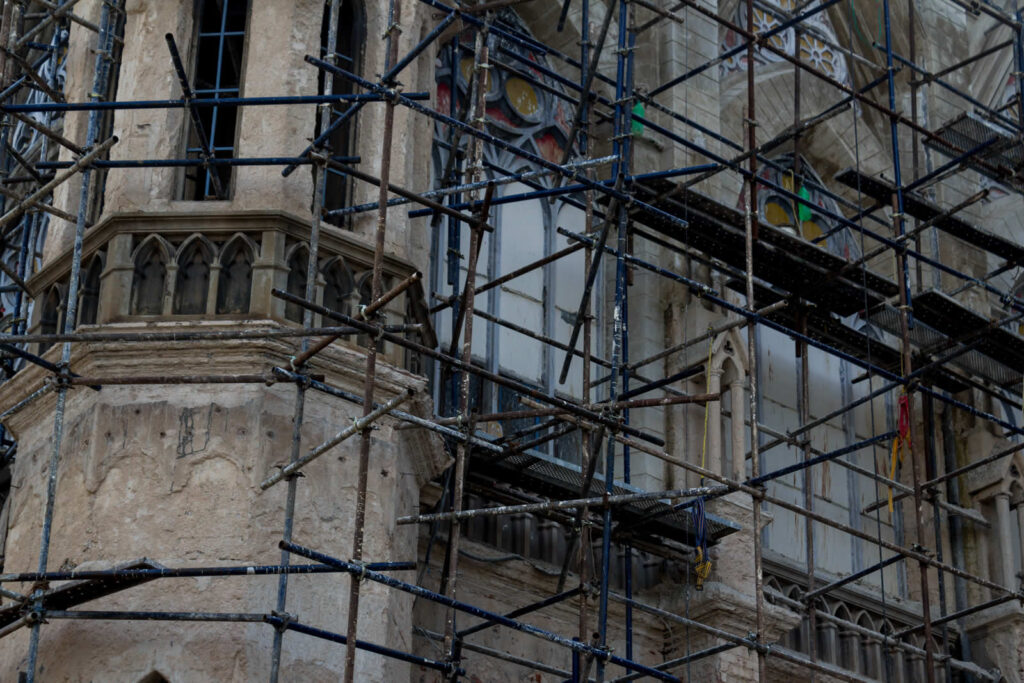
The installation process begins with preparation. The site confirms access routes, permit requirements, loading zones, delivery times, exclusion areas and any operational restrictions. Machinery, vehicles, services and staff routes must be considered before materials are unloaded.
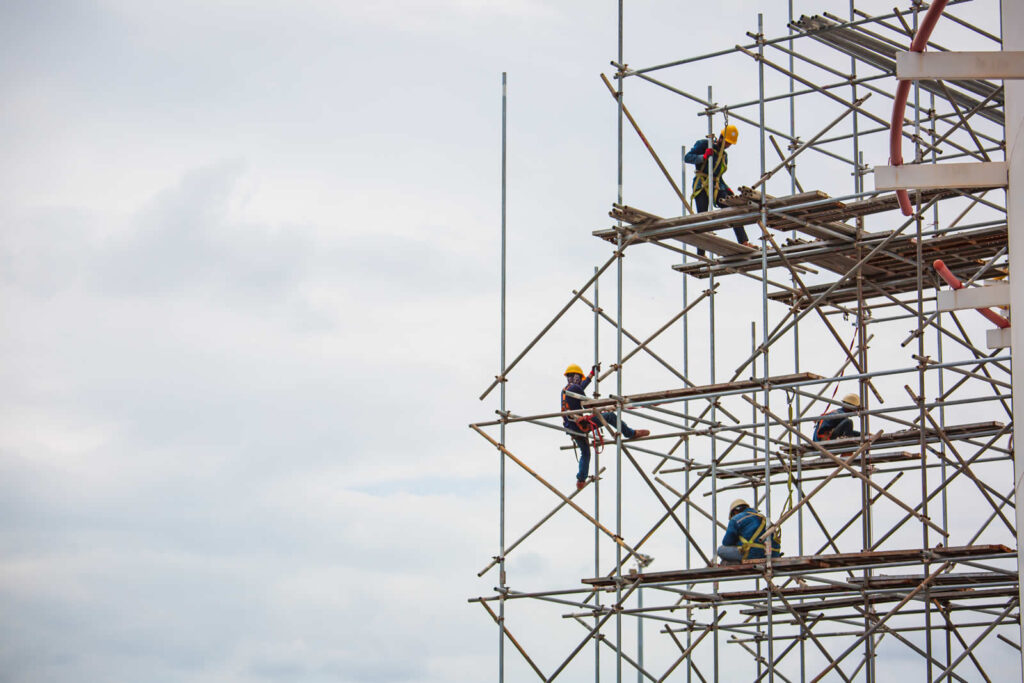
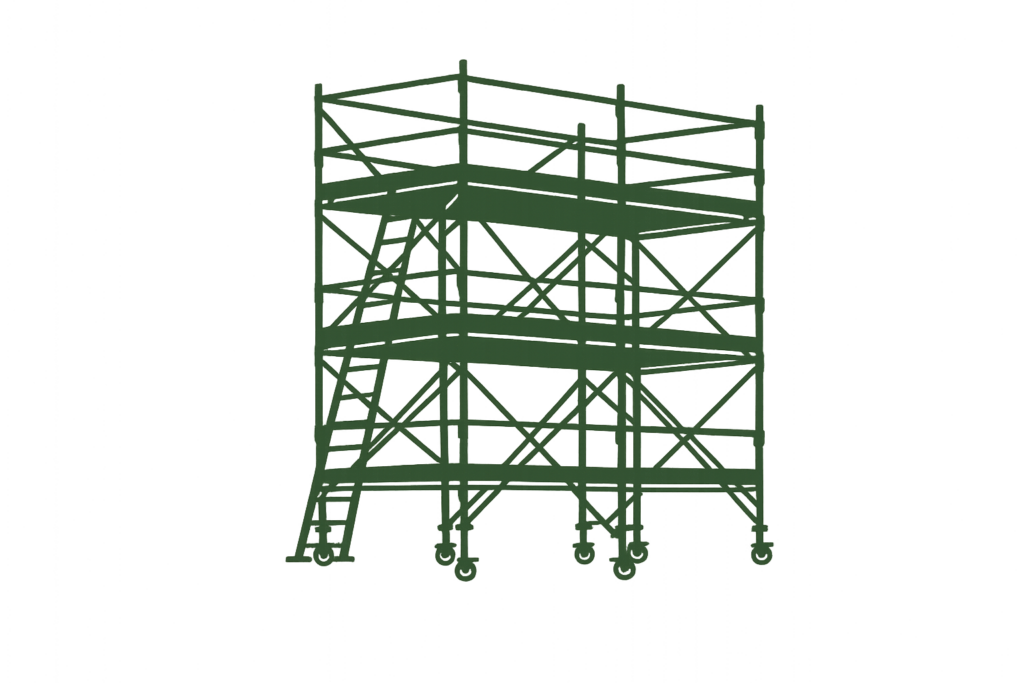
The scaffolders then build the structure in sequence. Standards, ledgers, transoms, braces, boards, guardrails, toe boards, ties, access ladders, stair towers and loading points are installed according to the agreed layout. Where the scaffold sits near live plant, the work area may need barriers, spotters, isolations or restricted access.
On larger industrial jobs, installation may be phased. One section may be erected for roof work, another for pipework, and another for tank access. This allows the site to keep operating while the scaffold follows the maintenance programme.
After erection, the scaffold is inspected, tagged and handed over. Workers should know what the scaffold is designed for, what loads are allowed, how to access it safely and who to contact if alterations are needed.
Industrial maintenance and shutdown scaffolding is often time-sensitive because the scaffold must be ready before engineers, inspectors or repair teams begin work. Shutdowns can be expensive, so access planning needs to happen before the site stops production.
The process usually starts weeks before the shutdown. The scaffold contractor surveys the site, agrees the access areas, prepares RAMS, plans material delivery and confirms how quickly the structures need to be erected. During the shutdown window, scaffold teams may work extended hours so the access is ready on time.
Once the scaffold is handed over, maintenance teams can inspect, repair, clean, replace or upgrade plant. If extra defects are found, the scaffold may need alteration or extension before the next stage of work can begin.
Dismantling is also part of the programme. The scaffold must be removed safely and efficiently so the site can return to normal operations without unnecessary delay.


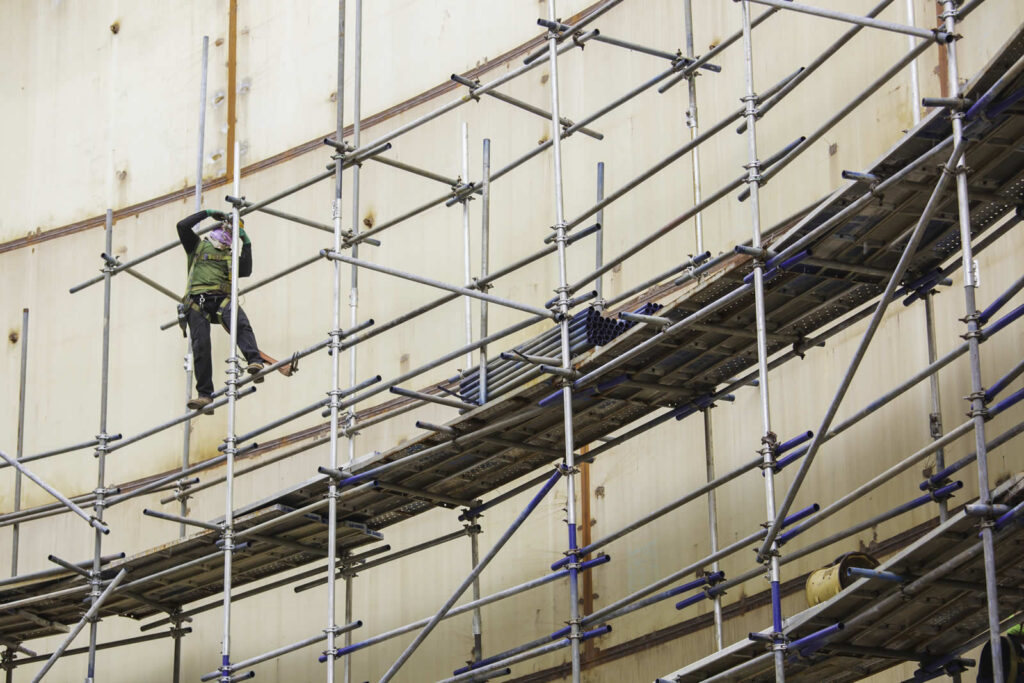
Factory, warehouse and plant access scaffolding can be used inside or outside a building. Internally, it may provide access to ceilings, conveyors, pipework, machinery, ventilation, lighting, mezzanines, tanks or service areas. Externally, it may be used for cladding, roof repairs, guttering, signs, chimneys, vents and loading bay maintenance.
The setup process must account for the way the site operates. A warehouse may need clear forklift routes. A factory may need scaffold built around production equipment. A plant room may have restricted space, hot surfaces, live services or awkward pipework.
Industrial scaffold platforms should be positioned so trades can reach the work safely without leaning, climbing or standing on plant. If the platform does not match the task, the job can slow down and unsafe shortcuts become more likely.
Costs rise when access is tight, the scaffold must be hand-carried into place, or the structure has to be installed during limited working windows.
You may need industrial scaffolding if workers need safe access to high, awkward, restricted or hazardous areas on a factory, warehouse, plant, tank, silo, pipe rack or large commercial building. It is often used where towers, ladders or fixed platforms are not suitable for the duration or complexity of the work.
Industrial scaffolding is useful for planned maintenance, emergency repairs, roof replacement, cladding, pipework work, steel inspection, plant upgrades, tank access, cleaning, painting, shutdowns and safety improvements.
The main benefit is controlled access. A well-planned scaffold gives trades a stable work area, clear routes, safe loading points and a better way to work around operational restrictions.
When planned properly, industrial scaffolding can reduce downtime, improve site safety and help multiple trades complete work during the same access window.

Scaffold Calculator helps users get a clearer idea of what industrial scaffold hire may cost before contacting suppliers. It is useful when you need a rough budget for factory scaffolding, warehouse roof access, plant scaffolding, tank scaffolding, pipework access, shutdown scaffolding or heavy-duty temporary platforms.
Industrial scaffold prices can be difficult to estimate because the cost depends on the site, loading, height, access restrictions, hire duration, permits, design requirements, inspection arrangements and whether the scaffold must be installed around live operations.
The website is designed to make scaffold pricing easier to understand for facilities managers, contractors, engineers, site managers, landlords, industrial property owners, maintenance teams and commercial project managers.
It does not replace a site-specific quote, RAMS or scaffold design, but it gives you a more informed starting point when comparing industrial scaffolding options.
Industrial scaffolding is used across the UK for warehouses, factories, plants, logistics centres, manufacturing sites, power facilities, water treatment sites, recycling centres and industrial estates. Costs vary by region because labour rates, transport, access restrictions, site rules, permits and scaffold availability differ from one area to another.
A small scaffold inside a quiet plant room may be quicker to install than a multi-level scaffold inside a live factory or warehouse distribution hub. Industrial sites often need more coordination because people, vehicles, machinery and production schedules continue around the work.
Projects in London, Manchester, Birmingham, Sheffield, Leeds, Bristol, Liverpool, Nottingham, Newcastle, Cardiff, Leicester and Glasgow can vary depending on site access, working hours, building size and the level of safety planning needed.
Scaffold Calculator helps users understand why industrial scaffold costs can change so much from one site to another, even when the visible scaffold area looks similar.