Scaffolding Dead Shore Cost Calculator
Estimate the likely cost of dead shore scaffolding, temporary structural support, scaffold propping systems and vertical shoring for wall removals, openings, repairs and refurbishment projects.
Estimate the likely cost of dead shore scaffolding, temporary structural support, scaffold propping systems and vertical shoring for wall removals, openings, repairs and refurbishment projects.
Scaffolding Dead Shores are temporary support structures used when a building needs vertical support during structural alteration, repair, opening formation, wall removal, beam installation or refurbishment work. Unlike standard access scaffolding, dead shore scaffolding is not mainly there to give workers somewhere to stand. Its main purpose is to carry or transfer load safely while part of the building is exposed, weakened or being changed.
For 2026, small dead shore scaffold hire may start from around £1,200 to £2,500 for a simple domestic support arrangement. Medium dead shoring scaffold systems used for load bearing wall openings, lintel work, beam installation or localised structural repairs may sit between £2,500 and £7,500. Larger temporary support scaffolding for commercial buildings, façade retention, heavy masonry, multi-level refurbishment or complex propping schemes can range from £8,000 to £35,000+ depending on design, load, access, monitoring and hire duration.
Dead shore scaffolding is used where a structure needs temporary vertical support. This can happen when a builder removes part of a load bearing wall, enlarges an opening, repairs damaged masonry, replaces a beam, supports a floor, stabilises a weak wall or protects a building during staged refurbishment. The system gives the structure somewhere safe to transfer weight while permanent work is completed below or around it.
It can be used on houses, shops, offices, apartment blocks, schools, warehouses, churches, listed buildings, commercial premises and older properties where the structure is being altered. Dead shores are especially useful where traditional acrow props are not enough, where access is awkward, or where a wider scaffold-based support frame is needed to spread load properly.
The process normally begins with a structural assessment. Before any dead shore scaffold is built, the loads, support points and work sequence need to be understood. A builder, structural engineer, temporary works designer or competent scaffold contractor may need to identify what is being supported, where the load is coming from, where it can safely be transferred, and what work will happen once the support is in place.
After the assessment, the dead shore scaffold design is planned. This stage is more important than it would be for a basic access scaffold because the structure may be carrying building loads. The design considers vertical loads, bearing points, ground or floor capacity, ties, bracing, sole boards, base plates, props, needles, beams, scaffold standards and how the support will remain stable during the works. If the support is inside a building, the condition of floors, basements, drains, cellars and voids must also be considered.
Once the design is agreed, the area is prepared. Furniture, loose materials, finishes, debris and obstructions may need to be cleared. The scaffold team checks that the base can take the load and that the support positions match the planned layout. Where load needs to be spread, sole boards, spreader plates, timber pads or specialist bearing arrangements may be used. This stage matters because a dead shore is only as reliable as the surface and structure carrying it.
The scaffold is then installed in a controlled sequence. Standards, ledgers, braces, props, tubes, couplers and support members are placed carefully so loads can be transferred safely. The scaffolders may work closely with the builder or engineer, especially if needles, strongboys, beams or temporary propping points are being introduced. The aim is to avoid sudden load movement and make sure the temporary support is doing its job before the structural element is altered.
After installation, the system is checked before work continues. The dead shore scaffold should not be treated as ordinary access equipment. It may need formal inspection, engineer sign-off, temporary works approval or written handover depending on the scale of the job. Once approved, the builder can proceed with wall removal, beam installation, opening formation, masonry repairs or other structural works.
A small domestic dead shore scaffold used for a simple opening, localised wall support or short-term internal propping may cost around £1,200 to £2,500. A more involved dead shoring scaffold system for a load bearing wall removal, structural beam installation or multi-point support arrangement may cost around £2,500 to £7,500 depending on access, loading and hire duration.
For larger projects, temporary roof scaffolding, façade retention scaffolds, heavy duty support scaffolds and complex temporary works systems can become much more expensive. Dead shore scaffolding for commercial properties, listed buildings, unstable masonry, multi-storey structures or long-term refurbishment projects may range from £8,000 to £35,000+ where design, engineering input, monitoring and phased alteration are needed.
The structural process has a major effect on the scaffold price. A simple dead shore that supports one small opening is very different from a scaffold propping system that supports several floors, a long wall, a damaged façade or a building during staged demolition. The more load the scaffold must carry, the more careful the design and installation need to be.
Costs also rise when the support must stay in place while several trades work around it. Beam installation, brickwork repairs, concrete repairs, lintel replacement, wall removal, underpinning, floor replacement and façade retention can all affect the hire period. If the scaffold cannot be removed until permanent structural work has cured, been inspected or been signed off, the hire duration may be longer than expected.
The best way to control dead shore scaffold hire costs is to define the structural requirement before asking for prices. A vague request for temporary support can lead to inaccurate quotes. The scaffold contractor needs to know what is being supported, what is being removed, where the load goes, how long support is needed and whether a structural engineer or temporary works designer is involved.
It also helps to plan the work sequence properly. If wall removal, beam installation, brickwork repairs, inspections and making-good are coordinated, the support scaffold may be in place for less time. Scaffold Calculator helps users compare likely dead shore scaffolding costs before requesting quotes in places such as London, Manchester, Birmingham, Leeds, Sheffield, Bristol, Liverpool, Nottingham, Cardiff and Glasgow.
Estimated costs for dead shore scaffolding, temporary structural support, scaffold propping systems and heavy duty shoring arrangements. Guide prices only.
Dead shore scaffolding can cost from around £1,200 for a small internal support arrangement to £35,000+ for complex engineered temporary works. Many domestic structural alteration projects fall between £2,000 and £7,500, depending on load, access, design and hire length.
The cost is higher than simple access scaffolding because dead shores may need to support building loads. Design, installation sequence, monitoring and safe load transfer all affect the final price.
Scaffold Calculator gives a rough guide, but structural support work should always be quoted from project-specific details.
Scaffolding dead shores are temporary vertical support systems used to carry building loads while structural work is being carried out. They may support walls, floors, beams, façades or masonry while openings are created, repairs are completed or permanent supports are installed.
They are different from standard access scaffolds because the main purpose is structural support rather than worker access.
Dead shores are commonly used during wall removals, beam installations, lintel replacement, structural repairs, refurbishment and staged alteration work.
Dead shores are needed when part of a building needs temporary support during alteration or repair. This can happen when removing a load bearing wall, enlarging an opening, installing a steel beam, repairing unstable masonry or supporting a structure during refurbishment.
They may also be needed when a wall is damaged, weakened, cracked or at risk while permanent repairs are planned.
The need for dead shoring should be assessed before structural work begins, not after the building has already been opened up.
The process starts with understanding the load path and the work sequence. The scaffold contractor, builder or engineer needs to know what is being supported, what is being altered and where the temporary loads can safely transfer.
The support layout is then planned, the base positions are prepared, and the scaffold or propping components are installed in a controlled order. Bracing, bearing points and support members are checked as the system is built.
Before structural work continues, the dead shore scaffold should be inspected and confirmed as suitable for the intended load.
No, dead shore scaffolding and acrow props are not exactly the same. Acrow props are individual adjustable steel props often used for localised support, while dead shore scaffolding can form a larger scaffold-based support system.
Some dead shore arrangements may include props, scaffold tubes, beams, needles, bracing and spreader arrangements. The right option depends on load, span, height, access and the work being carried out.
For heavier or more complex support, a scaffold-based system may be more suitable than a small number of standalone props.
Many dead shore projects need input from a structural engineer or temporary works designer, especially where load bearing walls, floors, façades or larger openings are involved. The engineer can confirm what loads need supporting and how the permanent works should be carried out.
Small support jobs may be simpler, but any work involving structural load should be treated carefully.
If there is uncertainty about what is being supported, get structural advice before removing masonry, cutting openings or altering beams.
Yes, dead shores can be used when removing a load bearing wall, but the support must be designed around the loads above. The system may need to support floors, masonry, roof loads or other structural elements while the wall is opened and the new beam is installed.
The process usually involves temporary support first, controlled removal of masonry, installation of the permanent beam or lintel, inspection, making good and then careful removal of the temporary support.
The dead shore should remain in place until the permanent structure is ready to take the load.
Yes, dead shore scaffolding can be used inside a house for wall removals, kitchen extensions, open-plan conversions, beam installation, floor support or structural repairs. Internal work needs careful planning because floors, finishes, doors, stairs and room sizes can restrict installation.
The scaffold contractor may need to protect floors and check that the surface below can carry the temporary support load.
Internal dead shores can cost more than expected if materials have to be carried through narrow spaces or if the load needs spreading over a larger area.
Yes, dead shores are often used on commercial buildings during refurbishment, structural alteration, façade work, opening formation, shopfront changes, office conversions, masonry repair and partial demolition.
Commercial dead shoring may need more detailed design because loads can be heavier and the building may remain occupied or partially operational.
Work around shops, offices, schools, hospitals and public buildings may also need phasing, barriers, permits and out-of-hours installation.
The main price factors are load, height, number of support points, access, hire duration, design complexity and the condition of the structure being supported. A small domestic opening costs far less than a multi-level commercial support system.
Other cost factors include:
The more responsibility the support system carries, the more careful the scaffold specification needs to be.
A small dead shore scaffold may be installed in less than a day, while larger or more complex systems can take several days. The time depends on access, load requirements, design, number of support points and how much preparation is needed.
Installation can take longer if the structure is occupied, access is narrow, materials must be moved by hand, or the support has to be coordinated with builders and engineers.
The scaffold should not be rushed because the support sequence affects structural safety.
Dead shores can stay in place for the agreed hire period as long as they remain inspected, stable and suitable for the loads they are carrying. Some are needed for a few days, while others remain for weeks or months during staged refurbishment.
The support should not be removed until permanent works are complete and ready to carry the load.
Extra hire charges may apply if structural work, inspections, curing time or making-good takes longer than expected.
Yes, dead shores should be inspected before use and throughout the hire period. They should also be checked after alteration, impact, changes to loading, structural movement or anything that could affect their stability.
Because dead shores may carry building loads, inspection is especially important.
The scaffold company, contractor or temporary works coordinator should make clear who is responsible for inspections and monitoring during the project.
Yes, dead shores can support floors where temporary vertical support is needed, but the load path must be properly understood. The support needs to transfer the load to a suitable bearing surface below.
If the floor below is weak, suspended, damaged or above a basement or void, extra spreader arrangements may be needed.
The support should be designed around the actual load, not guessed on site.
Yes, dead shores can support walls during repairs, opening formation, lintel replacement, rebuilding or structural alteration. They are often used when masonry above the work area needs temporary vertical support.
The support position must be chosen carefully so the load transfers safely while the wall below is altered.
If the wall is cracked, leaning, bulging or unstable, structural advice may be needed before any scaffold or props are installed.
Dead shores can be used with needles where load needs to be picked up through or beneath a wall. Needles help transfer the load to temporary supports while work is carried out below.
The arrangement needs careful planning because cutting pockets, placing needles and loading the supports must be done in the correct sequence.
Needle-and-dead-shore arrangements are common during wall removals, opening formation and some structural repair projects.
Dead shore scaffolding can damage floors or finishes if the base is not prepared properly or if loads are concentrated in the wrong areas. Floor protection, spreader boards, sole boards and careful positioning help reduce this risk.
The bigger issue is not only surface damage, but whether the floor can carry the temporary support load.
Internal projects should be assessed carefully before installation, especially in older buildings or properties with suspended timber floors.
Dead shores should not be altered by anyone other than competent scaffolders or authorised temporary works personnel. Moving supports, removing braces or changing bearing points can affect the load path and create serious risk.
If the builder needs more room or the work sequence changes, the support system should be reviewed and altered properly.
Any change to a loaded support arrangement should be treated as a controlled temporary works change, not a quick site adjustment.
Compare dead shore scaffold quotes by checking the scope, not just the headline price. Make sure each quote covers the same load assumptions, support points, hire period, design input, inspections, erection, dismantling and any specialist components.
Also check whether VAT, temporary works design, engineer coordination, out-of-hours work, extra hire weeks and alterations are included.
A cheaper quote may not be suitable if it excludes design, monitoring or the support needed for the actual structural work.
To get a dead shore scaffolding quote, provide drawings, photos, measurements, structural engineer details, the type of work being carried out and the expected hire period. The scaffold contractor also needs to know what is being supported and where the loads can safely transfer.
Useful details include:
Scaffold Calculator can help you understand rough dead shore scaffold prices before requesting formal quotes.
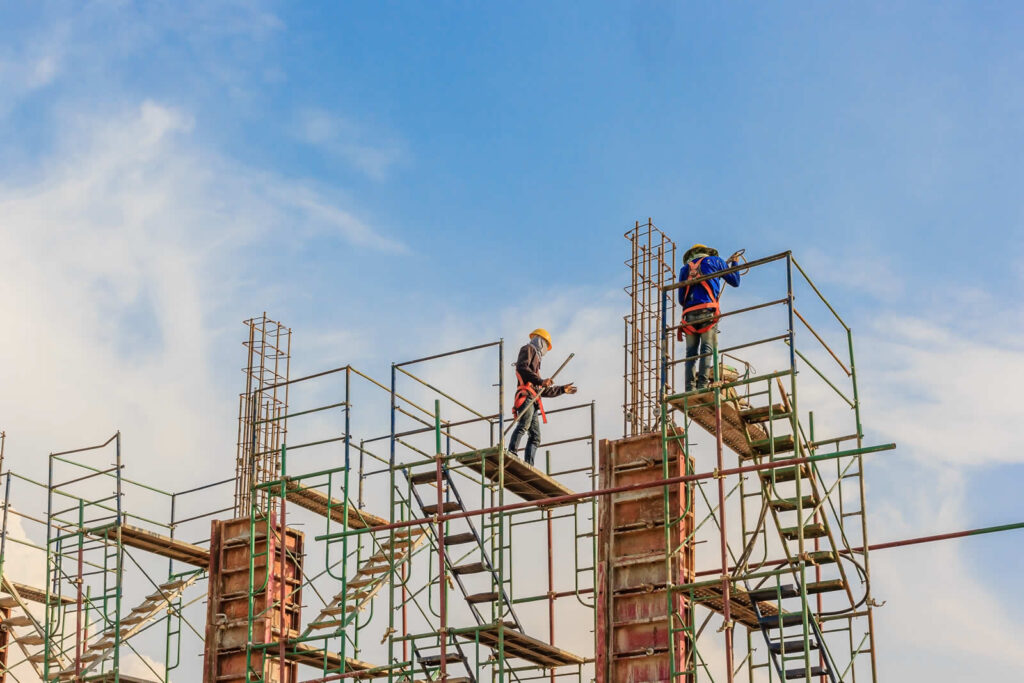
Scaffolding dead shores provide temporary vertical support when a building is being altered, repaired or made safe. They are used where loads need to be carried while permanent walls, beams, lintels, floors or masonry are changed.
Scaffold Calculator helps users understand likely dead shore scaffold hire costs before requesting quotes. Whether the project involves a load bearing wall removal, new opening, beam installation, damaged wall, shopfront alteration, façade repair, structural refurbishment or internal support system, the access and support plan must match the load.
The process usually starts with structural information. A scaffold company may need photos, measurements, drawings, engineer calculations, site access details and a clear explanation of the work sequence before pricing the job properly.
A properly planned dead shore does more than hold something up. It controls load transfer, protects the structure during alteration and gives the builder a safer working environment while permanent repairs or new supports are installed.
Dead shore scaffold hire is used when a temporary support system is needed during structural work. It is common on projects where walls are removed, openings are enlarged, beams are installed, masonry is repaired or an existing structure needs stabilising.
The quote process should start with the structural requirement, not just the size of the scaffold. The scaffold contractor needs to know what load is being supported, how long the support is needed, where the load will transfer and whether a structural engineer has provided details.
Once the requirement is clear, the support arrangement can be planned. The system may include scaffold standards, ledgers, braces, props, needles, beams, spreader boards and carefully positioned bearing points.
Good planning matters because dead shore scaffolding is part of the temporary works, not just access equipment. The support has to stay stable while the building is being changed around it.

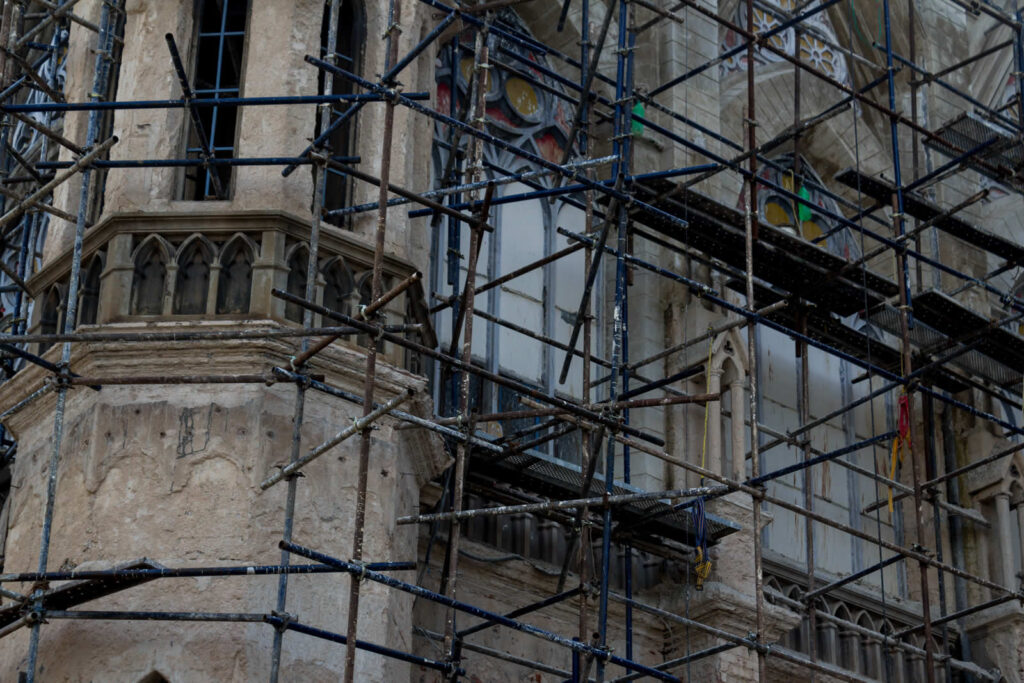
The installation process begins by preparing the support area. The scaffold team checks floor levels, ground conditions, access routes, obstructions and the planned support points. Where loads are concentrated, the base may need spreader boards, sole boards or other arrangements to spread pressure safely.
The support structure is then built in a controlled sequence. Scaffold components are positioned so the load can be taken progressively, not suddenly. Bracing is added to stop movement, and any props, needles or beams are aligned with the planned load path.
Coordination is important during this stage. Builders, scaffolders and engineers may need to work together so the dead shore is in position before masonry is cut, a wall is removed or a beam is installed.
After the support is installed, it should be inspected and handed over before structural work continues. A dead shore should never be treated as ready simply because it appears to be standing in the right place.
Dead shores are often used during structural alterations because they support the building while part of the original structure is changed. This includes load bearing wall removals, new door openings, open-plan conversions, beam replacements, lintel works and commercial refurbishments.
The process normally follows a clear sequence. First, the structure is assessed. Then the temporary support is installed. After that, the builder removes or alters the structural element. The permanent support is fitted, checked and allowed to take the load before the temporary dead shores are removed.
Skipping or rushing this sequence can create serious problems because the building may not be ready to carry its own load at each stage.
Dead shore scaffolding helps keep the project controlled. It gives the builder time and space to carry out the permanent work without leaving the structure unsupported.

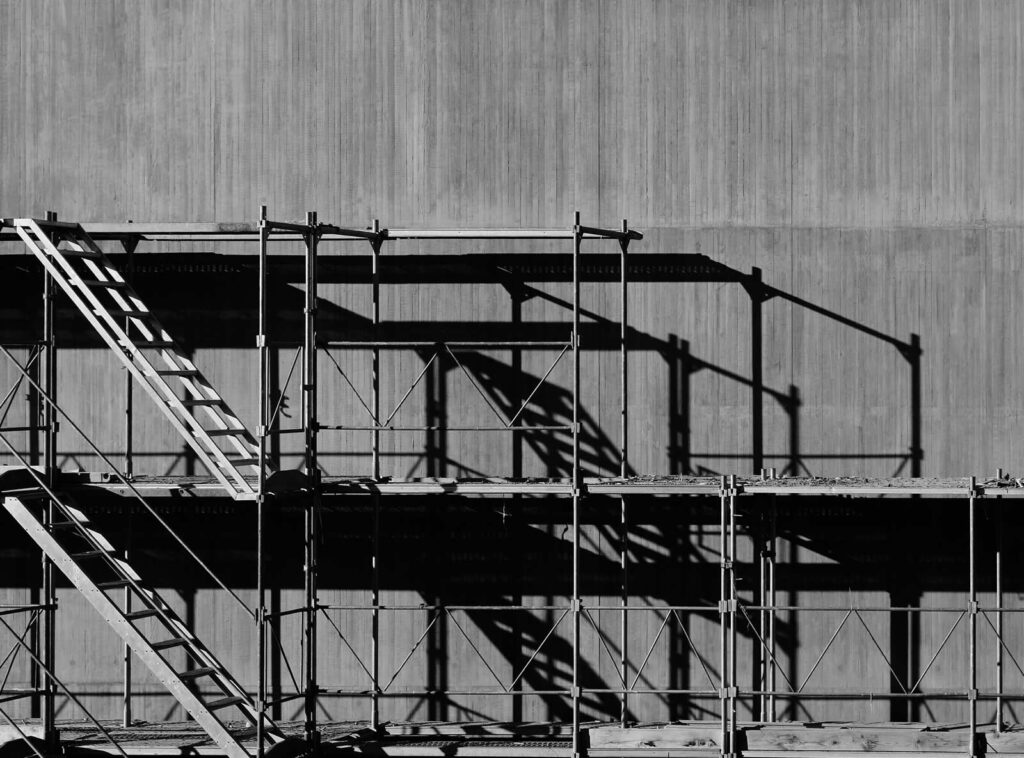
Load bearing wall and opening support is one of the most common reasons for dead shore scaffolding. When a wall carries floors, roof loads or masonry above, temporary support may be needed before a section is removed or widened.
The process may involve forming pockets, placing needles, positioning props or scaffold supports, removing masonry carefully and installing the permanent beam or lintel. The dead shore remains in place while the permanent structure is fixed, packed, cured or inspected.
Access and load transfer must be planned together. It is not enough to place support where it is convenient if that position does not safely carry the load.
Costs increase when the opening is large, the building is old, the support needs several points, or the work is being carried out inside a restricted room or active commercial property.
You may need scaffolding dead shores if a building element is being removed, repaired, weakened or replaced and the structure needs support during the work. This can apply to homes, shops, offices, schools, warehouses, listed buildings and commercial refurbishments.
Dead shores are useful for load bearing wall removal, beam installation, lintel replacement, façade support, masonry repair, floor support, structural openings, partial demolition and stabilisation work.
The main benefit is controlled temporary support. Instead of relying on unsuitable props or guesswork, a properly planned scaffold support system helps transfer load safely while permanent work is completed.
Good dead shoring can reduce structural risk, improve site control and give builders a safer way to carry out difficult alteration work.
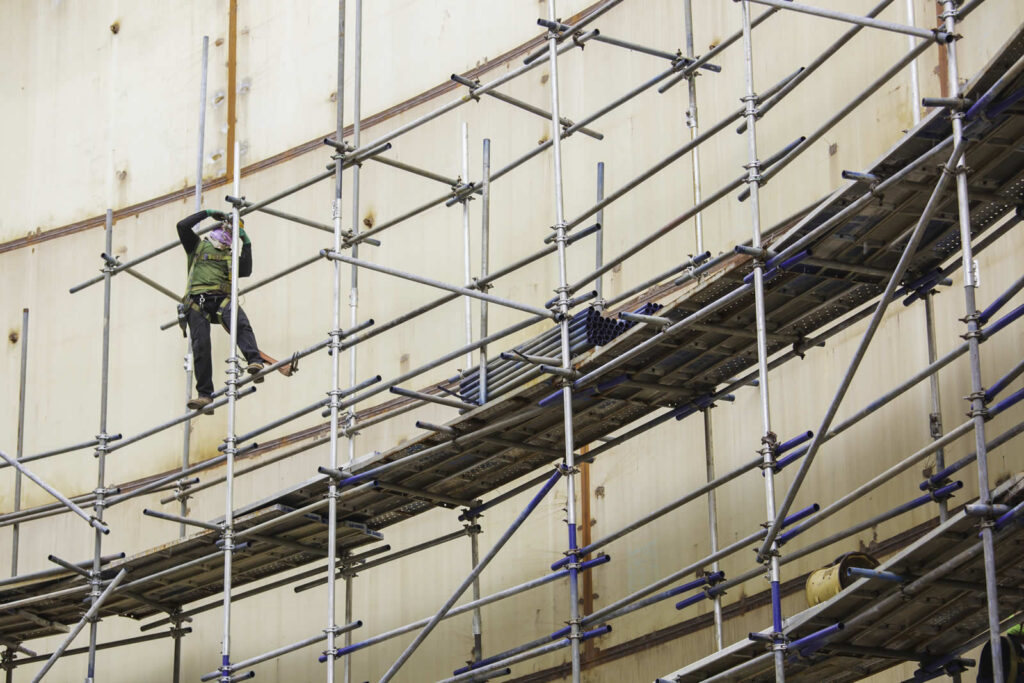
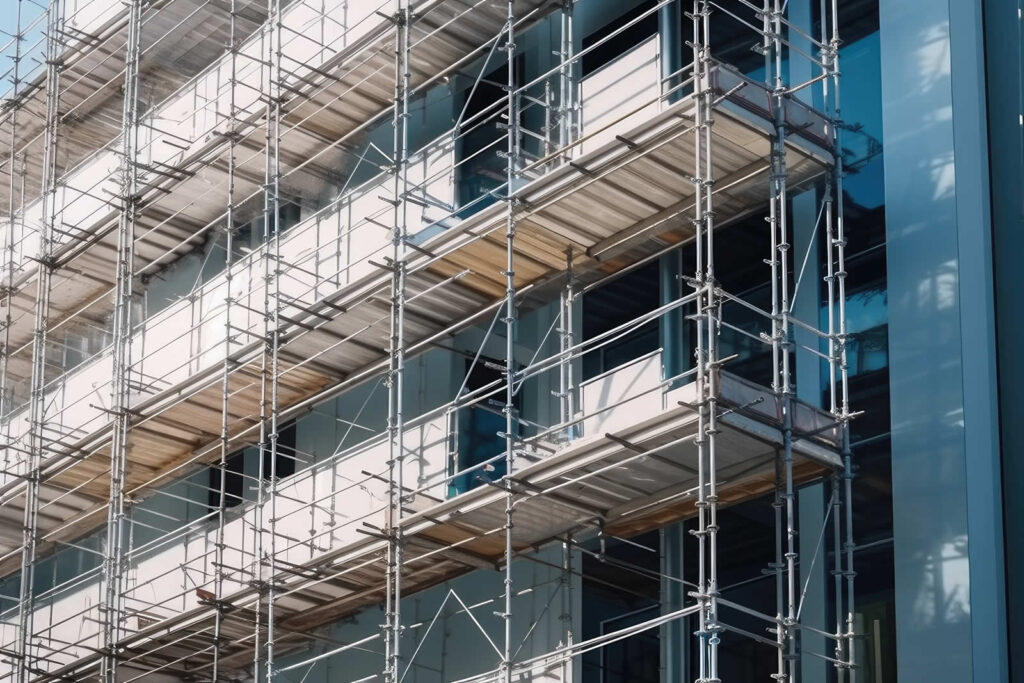
Scaffold Calculator helps users get a clearer idea of what dead shore scaffold hire may cost before contacting suppliers. It is useful when you need a rough budget for temporary support, structural alteration, load bearing wall removal, beam installation or heavy duty shoring.
Dead shore scaffold prices can be difficult to estimate because the cost depends on more than size. Load, design, floor strength, access, engineer input, support duration and work sequence can all affect the final quote.
The website is designed to make scaffold pricing easier to understand for homeowners, builders, contractors, site managers, landlords, architects, structural engineers and commercial property teams.
It does not replace a site-specific quote or structural design, but it gives you a more informed starting point when comparing dead shore scaffolding options.
Scaffolding dead shores are used across the UK for domestic, commercial, heritage and industrial structural works. Costs vary by region because labour rates, transport, access restrictions, parking, building age and project complexity differ from one area to another.
A small internal support system in a clear room may be quicker to install than a dead shore scaffold inside an occupied shop, old terrace, listed building or city-centre commercial property. Structural support work is also more sensitive to access, load paths and engineer requirements.
Projects in London, Manchester, Birmingham, Sheffield, Leeds, Bristol, Liverpool, Nottingham, Newcastle, Cardiff, Leicester and Glasgow can vary depending on property type, local access conditions and the amount of temporary works planning needed.
Scaffold Calculator helps users understand why dead shore scaffold costs can change so much from one project to another, even when the visible support arrangement looks simple.