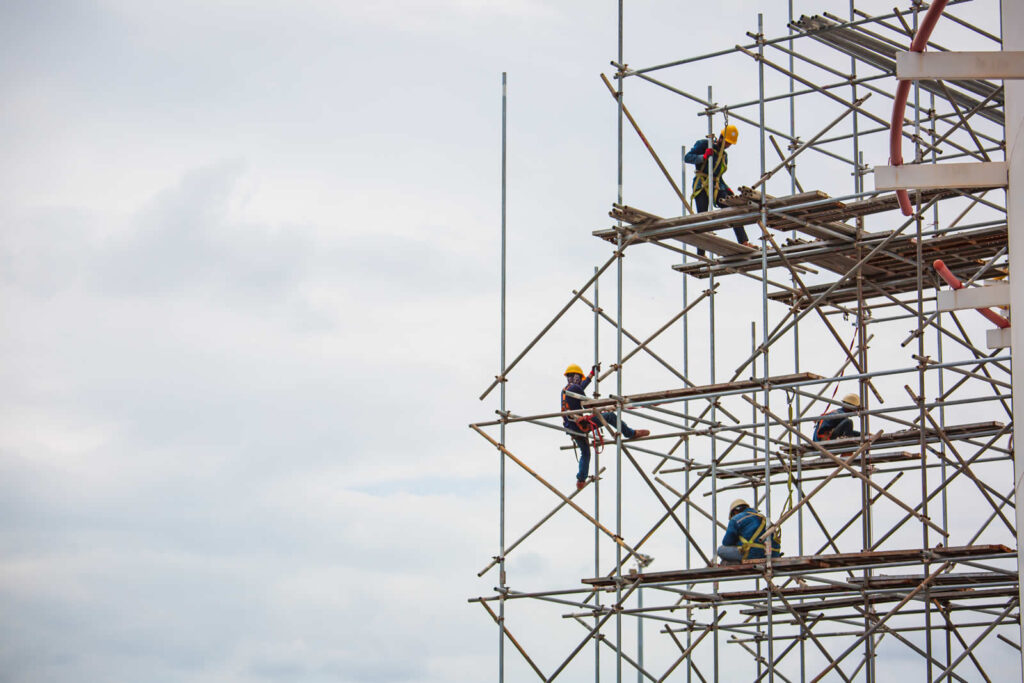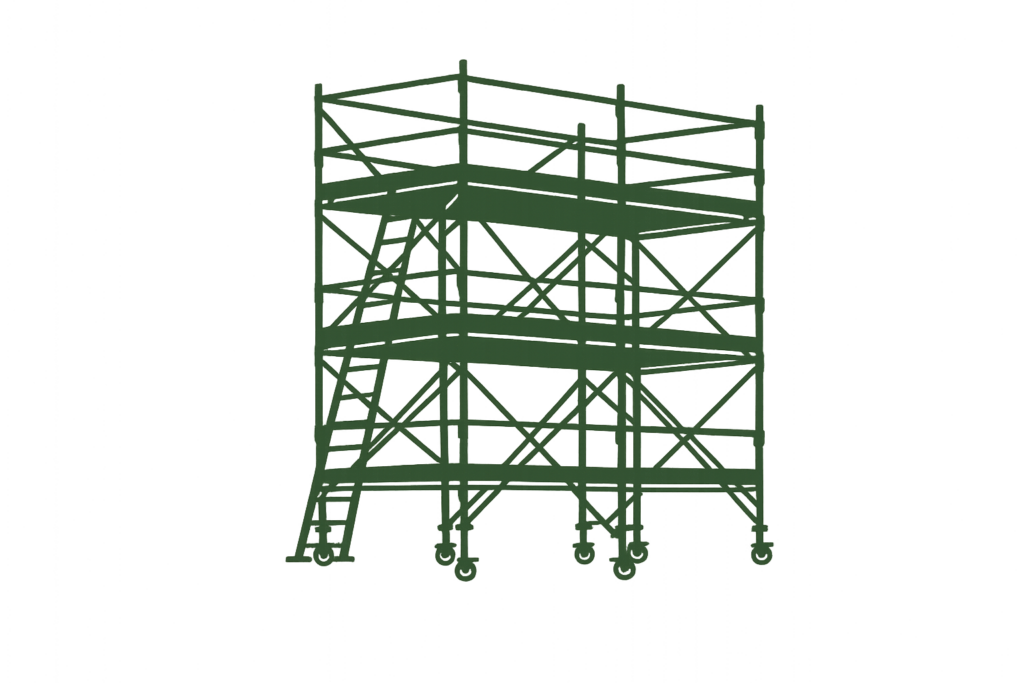
Scaffolding Walkway Cost Calculator
Estimate the likely cost of scaffold walkway hire, temporary pedestrian routes, raised access decks, roof walkway scaffolds and commercial scaffold access systems before requesting formal quotes.
Estimate the likely cost of scaffold walkway hire, temporary pedestrian routes, raised access decks, roof walkway scaffolds and commercial scaffold access systems before requesting formal quotes.
Find out what your scaffolding is likely to cost in minutes. Enter your property type, scaffold size, location, hire duration, and any common extras to receive a realistic guide price before requesting a formal quote.
Scaffolding Walkway costs depend on the route being built, the height of the platform, the number of people using it, and whether the walkway is for private site access, commercial use or public pedestrian movement. A short walkway scaffold across a domestic building site is usually much cheaper than a raised scaffold walkway outside a shopfront, school, hospital, warehouse or apartment block where people still need safe access while work continues.
For 2026, a basic scaffold walkway hire setup may start from around £550 to £950 for a simple low-level access route. A roof scaffolding walkway or scaffold deck walkway for maintenance, guttering, inspections or light trade access may fall between £1,100 and £2,250. Larger pedestrian scaffold walkways, bridge scaffold systems, scaffold gantry walkways and commercial scaffold access routes can range from £2,800 to £8,500+ where design, edge protection, permits, lighting, public access and longer hire periods are involved.
The main price drivers are length, width, loading, height, access difficulty and the amount of protection needed. A walkway used by one or two trades for light access does not need the same specification as a temporary pedestrian walkway scaffold that keeps a public entrance open during building works. Wider platforms, ramps, stair access, scaffold beams, non-slip boards, guardrails and toe boards all add material and labour.
City-centre work can also change the quote. A scaffold access walkway on a restricted street in London, a busy commercial frontage in Manchester or a tight service yard in Birmingham may need more planning than a private scaffold walkway in a quiet residential setting. Costs can also rise when the route passes close to roads, shop entrances, schools, public pavements, delivery bays or occupied buildings.
A basic construction site walkway scaffold may cost around £550 to £950 for a short hire period when the structure is low, straight and easy to install. A raised scaffolding walkway for roofline work, façade repairs or access above uneven ground may sit closer to £1,600 to £3,250 because it needs a stronger scaffold frame, safer boarded route and more careful edge protection.
For larger projects, temporary roof scaffolding, scaffold bridge walkways and public access scaffolding walkway systems can be much more involved. A temporary bridge scaffolding route or commercial gantry walkway may cost from £2,800 to £8,500+ depending on span, load, hire duration, pedestrian controls and whether the scaffold is placed on or over a public highway.
Commercial scaffolding walkways are useful when a business or public building needs to stay accessible during repairs, refurbishment, inspections or external maintenance. They can be used for offices, retail units, shopping parades, hotels, schools, universities, hospitals, care homes, apartment blocks, warehouses, factories, logistics yards, transport buildings, leisure centres and local authority properties.
In commercial settings, a scaffold walkway may protect a customer entrance, create a safe route past overhead works, allow contractors to reach roof plant, separate visitors from construction activity or link two work areas without sending trades through occupied parts of the building. Industries such as construction, roofing, cladding, facilities management, retail, healthcare, education, manufacturing, hospitality and property management often use walkway scaffolding when normal access routes are blocked or unsafe.
Most scaffold walkway prices include an initial hire period, often two weeks for smaller routes and four to six weeks for larger raised scaffold walkways or public-facing systems. If the project overruns, extra weekly hire can be added, so it is worth checking extension charges before accepting a quote. A longer hire is not always a problem, but it should be priced clearly from the start.
The specification should match how the walkway will be used. A scaffold walkway platform for inspections may only need controlled trade access, while a pedestrian scaffold route outside a busy building may need lighting, ramps, signage, protection from falling materials and regular inspections. Scaffold Calculator helps users compare likely costs before contacting local scaffold firms, making it easier to spot whether a quote looks realistic or incomplete.
The simplest way to avoid unnecessary cost is to define the job clearly. Explain where the scaffold walkway starts and ends, who will use it, how long it is needed, whether it must carry tools or materials, and whether it affects residents, customers, staff or the public. Photos, rough measurements and details of ground conditions can help a scaffolder price the work more accurately.
It can also help to group work together while the scaffold is in place. Roof repairs, gutter replacement, signage, cladding inspections, window repairs, painting, façade surveys and plant maintenance may all be easier to complete during the same hire window. This avoids paying again for access later and makes the scaffold walkway more useful across the whole project.
Estimated 2026 costs for scaffold walkways, raised access routes, bridge walkways and temporary pedestrian scaffold systems. Guide prices only.
A scaffolding walkway in the UK can cost from around £550 to £950 for a small, low-level route used for short-term site access. Raised scaffold walkways, roof access routes and public pedestrian walkways normally cost more because they need stronger support, safer platforming and more planning.
For larger commercial sites, bridge scaffold walkways and gantry systems can reach £4,500 to £8,500+ where the route affects customers, residents, public pavements or busy entrances. Scaffold Calculator gives a helpful starting range, but an accurate price still needs site details, photos, measurements and the intended use of the walkway.
A scaffold walkway is used to create a safe temporary route where normal access is difficult, blocked or unsafe. It may help trades move around a site, reach roof areas, cross uneven ground, pass around an excavation or keep an entrance open while building work is taking place.
Common uses include roof repairs, shopfront refurbishments, apartment block maintenance, school projects, warehouse access, cladding work, façade inspections and temporary pedestrian diversions. The main purpose is controlled movement, not just a platform to stand on.
A scaffold walkway is a type of access structure, but it is not the same as general scaffolding. Standard scaffolding usually provides working platforms around a building, while a walkway scaffold creates a defined route from one place to another.
The two are often connected. A walkway can link scaffold lifts, form part of a roof access route, bridge over a fragile area or guide pedestrians through a protected section of a site. The difference is mainly in the purpose: movement, access and safe passage.
A scaffold bridge walkway commonly starts from around £2,800 for smaller spans and can rise beyond £5,750 where the structure is longer, higher, public-facing or more difficult to support. The price rises because a bridge walkway has to span a gap, entrance, trench, roof section or restricted area safely.
The quote will usually depend on the length of the span, support points, loading, platform width, edge protection and whether the public will pass near or underneath the structure. Extra features such as lighting, signage, overhead protection and permits can also change the final cost.
Raised scaffold walkways normally need guardrails, especially where there is any fall risk. Toe boards and side protection may also be needed to reduce the risk of tools, materials or debris falling from the route.
Low-level private walkways may have simpler requirements, but public scaffold walkways, roof access routes and elevated access platforms usually need proper edge protection. Guardrails add some cost, but they are a normal part of safe scaffold walkway design rather than an optional extra.
Yes, scaffold walkways are often used for roof work because they give trades a safer route to gutters, chimneys, rooflights, solar panels, plant equipment, parapets and fragile surfaces. A roof scaffolding walkway can help workers avoid stepping directly onto materials that may not be suitable for foot traffic.
The cost depends on height, route, roof condition, access method and the protection needed around the walkway. A simple roofline route may be relatively modest, while a walkway linked to temporary roofing, edge protection or a larger scaffold design will usually cost more.
You may need a permit or licence if the scaffold walkway is placed on or over a public pavement, highway, road or public right of way. This is common when scaffolding affects shopfronts, public buildings, apartment entrances or busy city-centre footpaths.
If the walkway is entirely on private land, a highway licence may not be needed, but it still needs to be safe and suitable for its use. When comparing quotes, check whether licence applications, council fees, lighting, barriers and inspections are included or charged separately.
A temporary scaffold walkway can usually stay up for the agreed hire period, as long as it remains safe and is inspected when required. Smaller scaffold walkway hire may include two weeks, while larger raised walkways and commercial pedestrian routes often include four to six weeks.
If the project runs over, extra weekly hire may be added. This should be agreed before installation, particularly on roof works, cladding projects, retail refurbishments and industrial maintenance jobs where programme delays can happen.
Aluminium access walkways can be cost-effective for some lightweight maintenance and roof access tasks, especially where a modular system is quick to install. They are not always cheaper, because the right option depends on span, loading, height, connection points and the work being carried out.
A scaffold walkway may be better where the route needs to connect into a larger scaffold, bridge over an obstruction, support heavier trade use or fit around an awkward building. The safest and most practical specification should come before the cheapest material choice.
The biggest factors are walkway length, width, height, load capacity, installation time, hire duration and site complexity. A short access route across a private site will cost much less than a raised pedestrian scaffold walkway outside an occupied commercial building.
Other cost factors include ramps, stair towers, edge protection, debris protection, lighting, pavement licences, restricted delivery access, out-of-hours installation and extra inspections. The more people affected by the walkway, the more carefully it usually needs to be planned.
Yes, access walkways can be designed for public use, but they need a higher standard of planning than a contractor-only route. Public-facing scaffold walkways may need clear widths, non-slip surfaces, handrails, lighting, warning signs, barriers and protection from overhead work.
They are often used outside shops, schools, offices, hospitals, flats and public buildings. Because the public may include people unfamiliar with the site, the scaffold design has to reduce confusion, trip risks and exposure to the work area.
A scaffold gantry walkway is a scaffold-supported route that helps people pass safely beside, through or under an area of work. It is often used where a pavement, entrance or frontage needs to stay open while construction, refurbishment or maintenance continues above or nearby.
Gantry walkways can include overhead protection, side screens, lighting, signage and pedestrian barriers. They are usually more expensive than a simple scaffold walkway because they involve public safety, access management and often local authority requirements.
Yes, a scaffold walkway can sometimes be designed to bridge over a conservatory, extension, fragile roof or restricted ground area. This is useful when trades need access to upper walls, gutters, roof edges or chimneys without loading the structure below.
These jobs normally need more care than a standard walkway because the scaffold must transfer weight safely to proper support points. Extra beams, bracing and labour can increase the cost, especially where rear access is narrow or the ground is difficult.
A scaffold walkway can remain safe in poor weather when it is properly designed, installed and maintained, but rain, frost, wind and debris can increase risk. Anti-slip boards, good housekeeping, edge protection and inspections help keep the route usable.
Exposed roof walkways and elevated scaffold routes may need extra checks after strong wind or severe weather. If the walkway is public-facing, weather planning is even more important because the users will not necessarily be trained construction workers.
The width depends on who will use the walkway and what they need to carry. A narrow inspection route may be enough for occasional maintenance, while a public pedestrian route or trade access route may need more width for safe passing and movement.
Wider scaffold walkways cost more because they use more boards, guardrails, supports and fittings. The width should be based on the job, not guesswork, especially if the walkway is used by the public, multiple trades or workers carrying equipment.
Yes, scaffold walkways can be used on uneven ground, but the structure needs to be levelled, supported and stabilised correctly. This is common on construction sites, gardens, industrial yards, demolition areas and properties with sloped or broken surfaces.
The scaffold may need base plates, adjustable legs, ramps, steps or bridging sections to create a safe route. Uneven ground usually increases the price because installation takes longer and the route must be carefully set out before it is used.
Yes, scaffold access walkways normally need inspection after installation and at suitable intervals while in use. They should also be checked after alteration, bad weather, impact or anything else that could affect stability.
Inspection requirements are especially important for raised walkways, roof access routes and public pedestrian scaffold systems. The quote should make clear whether inspections are included in the hire cost or billed separately.
A temporary scaffold walkway and a mobile tower solve different access problems. A mobile tower is useful for reaching one specific area, while a walkway is better when people need to move safely across, around or between parts of a site.
For a small repair, a tower may be cheaper and quicker. For roofline movement, pedestrian diversion, façade access, uneven ground or a route that several trades will use, a scaffold walkway is usually the more practical option.
Yes, scaffold walkways are commonly used on commercial buildings such as offices, shops, warehouses, schools, hospitals, hotels, apartment blocks and industrial premises. They help keep people moving safely while repairs, inspections, refurbishment or maintenance work takes place.
Commercial walkway scaffolding may need to protect customers, tenants, staff, visitors and delivery routes. That extra complexity is why a commercial scaffold walkway often costs more than a simple private access route.
Compare quotes by checking the full specification, not just the total price. Each quote should cover the same length, width, height, hire period, loading, access points, edge protection, delivery, erection, dismantling and inspection arrangements.
Also check whether VAT, permits, pavement licences, lighting, hoarding, debris netting, weekly hire extensions and alterations are included. A lower price may not be better if key safety or access items have been left out.
To get a scaffold walkway quote, provide clear photos, the site address, approximate measurements, the reason for the walkway and the expected hire period. Explain whether it is for workers, residents, customers, pedestrians or a mix of users.
Useful details include the start and end points, height changes, nearby roads or pavements, entrance requirements, obstacles, ground conditions and whether tools or materials need to be carried along the route. Scaffold Calculator can help you understand likely costs before you request formal quotes.

Scaffold walkways are used when people need a controlled route through, over or around a work area. They can support safe movement on construction sites, roof projects, commercial refurbishment schemes, industrial maintenance jobs and public-facing building works where ordinary access is blocked or unsuitable.
Scaffold Calculator helps users understand likely scaffolding walkway costs before requesting quotes. Depending on the job, the right setup may be a scaffold access walkway, roof walkway scaffold, temporary pedestrian route, raised scaffold walkway, scaffold bridge walkway or commercial gantry system.
Large urban projects in places such as London, Manchester, Birmingham, Leeds, Sheffield, Bristol and Liverpool often involve restricted space, deliveries, public routes and occupied buildings. Those factors can make scaffold walkway planning more detailed than a simple private scaffold route.
A well-planned scaffold walkway can reduce risk, improve site movement and help trades work without repeatedly moving towers, using unsafe shortcuts or relying on temporary boards that were never designed as proper access routes.
Scaffold access walkways create stable routes around buildings, across site areas and between scaffold sections. They are useful where normal access is blocked by excavation, uneven ground, roof hazards, fragile surfaces, refurbishment work or public safety controls.
A basic scaffold walkway may only need a short boarded route with side protection. A more involved scaffold walkway system can include stair access, ramps, guardrails, toe boards, non-slip decking, bridge beams, loading points and controlled entry points.
Scaffold Calculator helps users understand why one scaffold access route can cost much more than another. The quote is shaped by the length of the walkway, its height, the users, the hire period and the amount of protection needed around the route.
The correct setup should suit the job rather than simply fit the lowest price. A walkway that is too narrow, too lightly specified or poorly positioned can slow the work down and create safety problems for trades, visitors or building users.

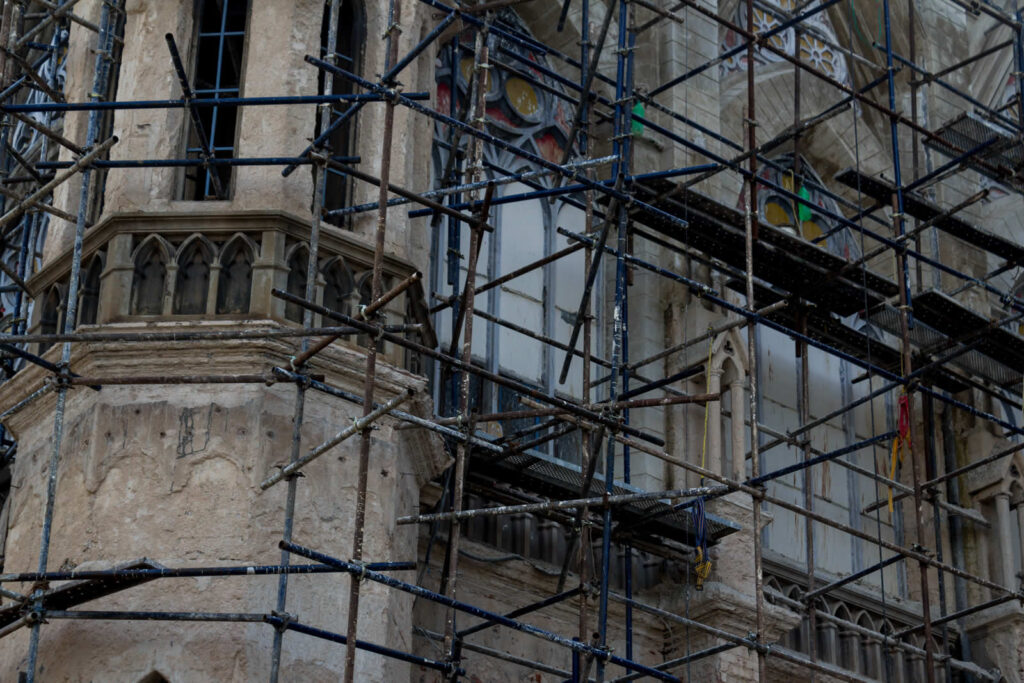
Temporary pedestrian access is often needed when a building project affects a normal pavement, entrance, courtyard, service route or public-facing walkway. It can be used outside shops, apartment blocks, public buildings, schools, offices, hotels and mixed-use developments.
A pedestrian scaffold walkway must be planned around the people using it. It may need clear signage, lighting, ramps, barriers, overhead protection, edge protection and anti-slip deck areas. These features add cost, but they also help keep public movement safer while work continues nearby.
Projects in busy areas can also involve licences or local restrictions if the scaffold affects a road, pavement or highway. This is why a pedestrian scaffold route in a city centre can cost more than a basic access walkway on private land.
The goal is to keep people moving without sending them through the work area. A properly designed temporary walkway scaffold can reduce disruption for businesses, residents and the public.
Roof access walkways give trades a safer route to areas that would otherwise be awkward, fragile or exposed. They are often used for gutter repairs, roof surveys, solar panel work, chimney access, plant maintenance, rooflight protection and temporary roof scaffolding projects.
A roof walkway scaffold can reduce unnecessary foot traffic on fragile materials, older roof coverings, glazed sections or industrial sheets. This can be important on factories, schools, warehouses, hospitals, apartment blocks and large commercial properties.
The price depends on the height, route, roof type, access points and amount of edge protection required. A small roofline access route may be fairly straightforward, while a larger elevated walkway linked to a temporary roof or full scaffold design will cost more.
Scaffold Calculator can help users decide whether they are likely to need a tower, a standard scaffold platform, access deck scaffolding or a dedicated walkway route for roof work.


Scaffold walkway systems are not all the same. Some are simple temporary scaffold walkways for site movement, while others are raised access decks, scaffold bridge walkways, public access routes or commercial gantry structures with overhead protection.
Common options include scaffold access walkways, modular walkway systems, roof access routes, temporary bridge scaffolds, scaffold deck walkways, pedestrian scaffold routes and industrial access platforms. The best option depends on who will use the route and what the walkway must cross, connect or protect.
A modular access route may suit a quick maintenance project. A scaffold walkway may be better where the system needs to connect into a larger scaffold around a building. A bridge scaffold walkway may be needed when the route must pass over an obstruction or fragile area.
The specification should follow the job. Length, loading, users, surface conditions, height and access restrictions should all be considered before choosing the walkway type.
A scaffold walkway may be needed when normal access is unsafe, blocked, too narrow, uneven or unsuitable for the work taking place. This can happen during roofing, façade repairs, cladding work, demolition, painting, signage installation, gutter replacement, structural work or building inspections.
Walkway scaffolding can help workers avoid unstable ground, open excavations, restricted alleys, fragile roof areas, crowded site zones and live building entrances. It also helps organise movement when several trades are working around the same property.
On commercial projects, a pedestrian scaffold walkway can keep a route open for staff, customers, tenants, patients, pupils or visitors. This makes it useful for retail, education, healthcare, hospitality, warehousing and public sector buildings.
The main benefit is controlled access. Instead of leaving people to find their own route around hazards, the walkway gives them a safer and more predictable path.
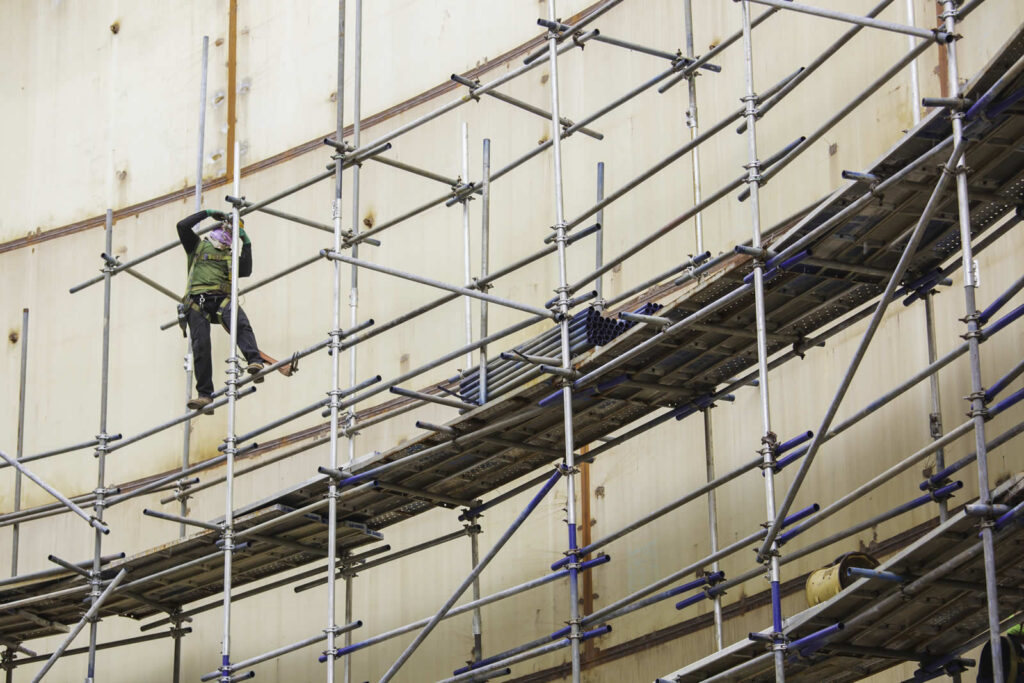

Scaffold Calculator helps users get a clearer idea of what scaffold walkway hire may cost before contacting local suppliers. It is useful when a project is still being planned and a rough access budget is needed before formal quotes are requested.
Scaffolding walkway pricing can be difficult to judge because small specification changes can alter the final figure. A few extra metres, a higher platform, public access, restricted loading, extra protection or a longer hire period can all push the quote upward.
The website explains common scaffold types, likely cost bands and the reasons prices vary. It is useful for homeowners, landlords, builders, facilities managers, roofing contractors, property managers and commercial building owners.
It does not replace a site survey, but it gives users a better starting point. That makes it easier to compare quotes, ask the right questions and understand why a scaffold walkway costs what it does.
Scaffold walkway hire is used across the UK for domestic, commercial, industrial and public-facing projects. Local pricing can differ because labour rates, transport, parking, access restrictions and council requirements are not identical in every area.
Projects in London, Manchester, Birmingham, Sheffield, Leeds, Bristol, Liverpool, Glasgow, Nottingham, Newcastle, Cardiff, Leicester and Southampton may involve different access challenges depending on the building, street layout and type of work.
A straightforward scaffold access route on private land may be much cheaper than a commercial gantry walkway outside a live building entrance. The difference is not just materials; it is the planning, risk control, labour and inspection responsibility that sit behind the structure.
Scaffold Calculator helps users understand these price differences before requesting quotes, so they can see why one scaffolding walkway may be far more involved than another.