Whether you’re planning a loft conversion, a full exterior repaint, chimney repairs, or a new roof, scaffolding is one of those unavoidable costs that can catch homeowners off guard. It’s not glamorous, it doesn’t add a feature to your home, and yet it’s often essential for safe working at height. Understanding what scaffolding hire actually costs — and what drives those costs up or down — can help you budget more accurately and avoid being overcharged.
This guide breaks down scaffolding hire costs in the UK, the factors that influence pricing, and everything else you need to know before getting a quote.
What Is Scaffolding Hire and When Do You Need It?
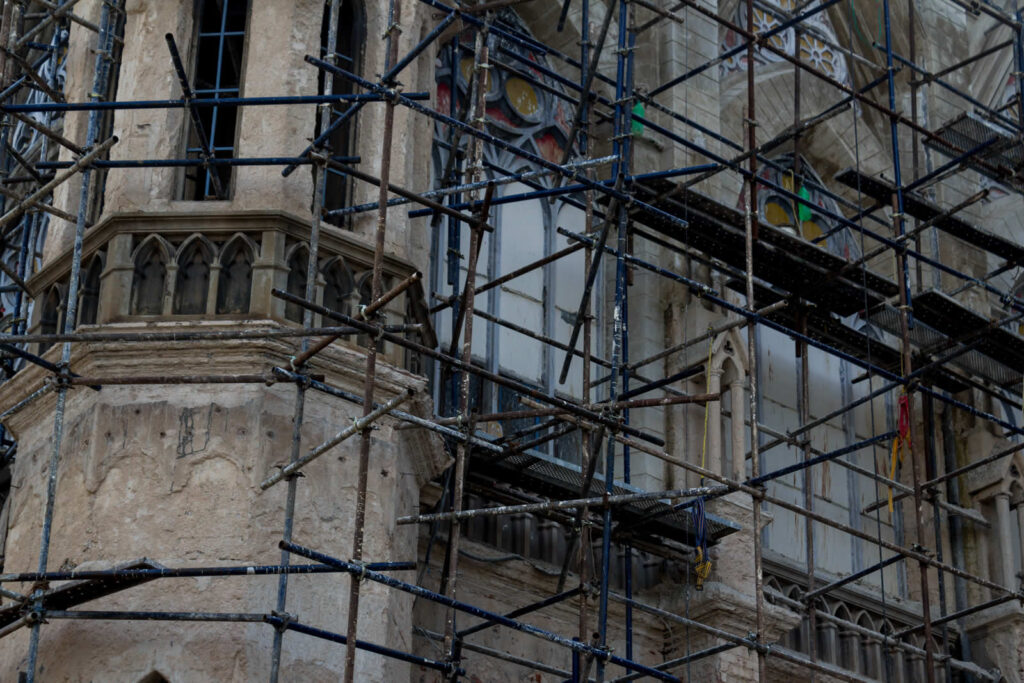
Scaffolding is a temporary structure erected around a building to provide safe working platforms for tradespeople operating at height. It’s required for a wide range of home improvement and maintenance projects, including:
- Roof repairs or replacement
- Chimney pointing, repointing, or rebuilding
- Exterior rendering or repainting
- Fascia, soffit, and gutter replacement
- Loft conversions
- Brickwork repairs
- Window replacement on upper floors
In many cases, scaffolding isn’t optional — the Health and Safety at Work Act 1974 and the Work at Height Regulations 2005 require that workers have safe access to elevated areas. Even for DIY projects, scaffolding is strongly recommended over ladders for anything more than very minor, short-duration tasks.
Average Scaffolding Hire Costs in the UK
Scaffolding costs vary considerably depending on the size of the job, the property type, and how long you need it. Here are some typical price ranges to give you a starting point:
| Job Type | Estimated Cost | Hire Duration |
|---|---|---|
| Single-storey scaffolding (front of house) | £500 – £800 | 1–2 weeks |
| Two-storey scaffolding (front of house) | £800 – £1,200 | 1–2 weeks |
| Full house scaffolding (detached) | £1,500 – £2,500 | 2–4 weeks |
| Chimney scaffold only | £400 – £700 | 1 week |
| Roof scaffolding (semi-detached) | £800 – £1,500 | 2–4 weeks |
| Loft conversion scaffold | £1,000 – £2,000 | 4–8 weeks |
These figures are ballpark estimates for England. Costs in London and the South East tend to be 20–40% higher than in the North of England, Wales, or Scotland.
It’s also worth noting that these prices typically include erection and dismantling by the scaffolding company, which accounts for a significant portion of the total cost. Hire-only rates (where you assemble yourself) are rarely offered to the public for safety reasons.
What Factors Affect the Cost of Scaffolding?
No two jobs are exactly alike, and scaffolding quotes reflect that. Here are the main variables that influence what you’ll pay:
Size and Height of the Property
The bigger and taller your home, the more scaffolding tubes, boards, and fittings are required. A three-storey Victorian terrace will cost significantly more to scaffold than a single-storey bungalow. Height also increases the complexity of the erection process and the time it takes.
Type of Scaffolding Required
There are several types of scaffolding structures, each suited to different situations:
- Independent tied scaffold – the most common type, used for general building works on the exterior of a house
- Putlog scaffold – uses the building’s walls for support, often used for brickwork
- Birdcage scaffold – a free-standing internal scaffold, used for ceiling work
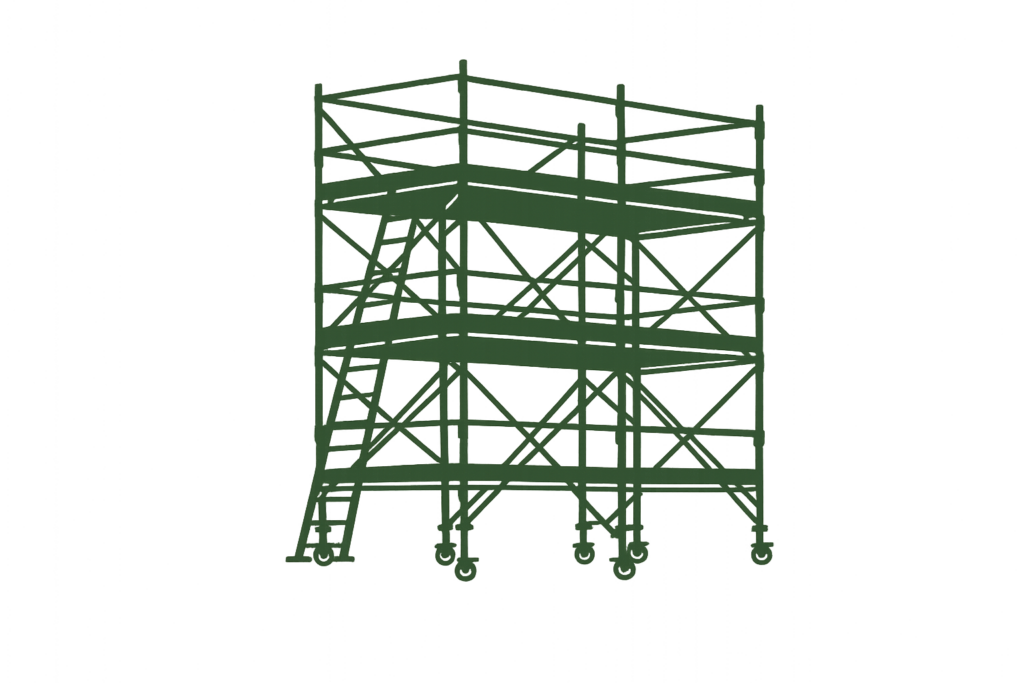
- Mobile scaffold towers – portable aluminium towers, often hired for smaller jobs like guttering
Independent tied scaffold is typically the most expensive because it requires more materials and skill to erect safely.
Duration of Hire
Scaffolding hire is usually quoted as a day rate or weekly rate once the initial erection cost is covered. Typical weekly hire rates (after the first week) range from £50 to £150 per week depending on the size of the structure. If your builder runs over schedule, costs can mount up, so it’s worth agreeing on a clear timeline with your contractor upfront.
Access Difficulties
If your property is in a difficult location — on a steep slope, close to a busy road, or has limited access for the scaffolding lorry — expect to pay a premium. Working on a listed building or in a conservation area can also add costs, as there may be restrictions on how the scaffold is attached to the structure.
Pavement or Road Licences
If your scaffolding will extend over a public pavement or road, your scaffolding company will need to obtain a licence from the local council. This is known as a Section 169 licence (under the Highways Act 1980) and typically costs between £50 and £200 depending on the local authority. This cost is usually passed on to you by the scaffolding company, often with a small admin fee added.
Location in the UK
As mentioned, geography plays a big role. London and the South East attract the highest prices due to higher labour costs and overheads. Rural or more remote locations can sometimes incur a call-out charge if the scaffolding company has to travel significant distances.
Is Scaffolding Included in My Builder’s Quote?
This is one of the most common sources of confusion for homeowners. Whether scaffolding is included in your builder or roofer’s quote depends entirely on the contractor — and it’s essential to ask explicitly.
Many builders will source and manage scaffolding as part of their overall project management. In these cases, the cost will be included (or itemised) in their quote. Others will ask you to arrange scaffolding separately, meaning you’ll need to get your own quotes from scaffolding companies.
If your builder is arranging the scaffolding, ask to see the scaffolding company’s details and make sure they are a member of the National Access & Scaffolding Confederation (NASC), which sets professional standards for the industry.
Can You Hire Scaffolding Yourself?
Yes, but with caveats. There are companies that hire out mobile scaffold towers for DIY use, and these can be a cost-effective solution for smaller tasks like painting a gable end or replacing a fascia board on the first floor. A basic two-person mobile tower typically costs around £100–£200 per week to hire.
However, full independent scaffolding systems should always be erected by a qualified scaffolder. The risks of incorrectly assembled scaffolding are severe, and you could be liable if someone is injured on scaffolding you’ve erected. For any job requiring scaffolding that goes above a single storey, use a professional company.
How to Get a Good Scaffolding Quote
Getting the right price for scaffolding means doing a bit of legwork. Here’s how to approach it:
Get at least three quotes. Scaffolding prices can vary by hundreds of pounds between companies. Getting multiple quotes helps you understand the market rate for your job and gives you leverage to negotiate.
Check NASC membership. The NASC (nasc.org.uk) maintains a directory of approved scaffolding contractors. Members are regularly audited for health and safety compliance.
Be specific about your requirements. Tell each company the same information: the type of work being done, how long the scaffold will be needed, and any access challenges. This ensures you’re comparing like for like.
Ask what’s included. Does the quote include erection, hire, and dismantling? Does it include any council licences required? What are the terms if you need it for longer than expected?
Check insurance. Any reputable scaffolding company should carry public liability insurance. Ask to see evidence of this before agreeing to any work.
Hidden Costs to Watch Out For
Once you’ve agreed a price, there are a few additional costs that can catch you out:
- Overrun charges – If your project runs longer than planned, you’ll pay a weekly hire rate for each additional week.
- Damage or theft – You may be liable for any damage to the scaffolding while it’s on your property. Check whether your home insurance covers this.
- Modifications – If the scaffolding needs to be altered during the project (for example, to provide access to a different part of the building), there’s usually an additional charge.
- Lighting – For scaffolding that presents a hazard to pedestrians at night, you may need to provide lighting, which can be hired from the scaffolding company.
Tips for Keeping Scaffolding Costs Down
Scaffolding is one of those costs where you have limited ability to cut corners — but there are ways to manage it sensibly:
Schedule work for longer days. Hiring scaffolding during summer means your tradespeople have more daylight hours to work, which can reduce the total hire duration.
Combine multiple jobs. If you need scaffolding for a roof repair, use the opportunity to get other exterior works done at the same time — painting, gutter replacement, or pointing — so you’re not paying for scaffolding twice.
Plan carefully with your builder. Delays cost money when scaffolding is involved. Make sure materials are ordered in advance and all other preparatory work is complete before the scaffold goes up.
Don’t rush the dismantling. While you don’t want to pay for scaffolding you’re not using, removing it too early can lead to extra charges if it needs to go back up. Confirm everything is finished before you call for it to come down.
Final Thoughts
Scaffolding is rarely a homeowner’s favourite line item, but understanding the costs involved helps you budget realistically and avoid unpleasant surprises. For most standard house projects — a roof job, chimney repair, or exterior repaint — expect to pay somewhere between £800 and £2,500 depending on the size of your property and the duration of the hire.
Always use a reputable, NASC-accredited company, get multiple quotes, and be clear about what’s included before you sign anything. Think of scaffolding not as an extra cost, but as an investment in safety — for your tradespeople and for your property.
Prices quoted in this article are approximate UK averages as of 2025 and may vary depending on your location, property type, and market conditions. Always obtain professional quotes for your specific project.


