Temporary roofing changes the cost of scaffolding completely. It is no longer a simple structure built for access. It becomes a full protective system designed to keep weather out, control working conditions, and allow major structural work to continue without delays. The difference in price reflects the added complexity, materials, labour, and time required to build and maintain it safely.
Most homeowners underestimate the cost because they compare it to standard scaffold hire for painting or minor repairs. Temporary roofing sits at the top end of scaffolding pricing. It is used when the roof is exposed for extended periods, during re-roofing projects, loft conversions, fire damage repairs, or structural work that cannot be left vulnerable to rain.
Understanding the cost means breaking down what you are actually paying for, how pricing is calculated, and what factors push the price higher or lower.
What Is Temporary Roof Scaffolding and Why It Costs More
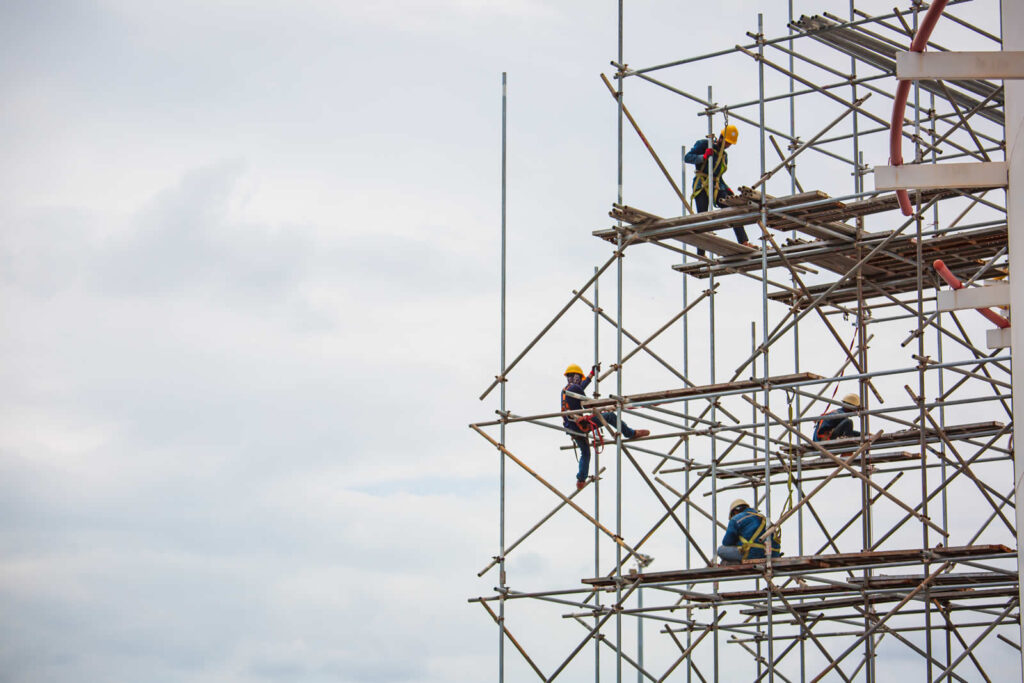
Temporary roof scaffolding is a fully engineered structure built above your property, usually supported by scaffolding around the perimeter. It is designed to create a sealed or semi-sealed cover over the roof using materials such as shrink wrap, corrugated sheeting, or reinforced tarpaulin systems.
Unlike standard scaffolding, it requires:
- Structural support strong enough to span across the building
- Additional bracing to handle wind loads
- Specialist roofing beams or aluminium systems
- Weatherproof coverings
- More complex design and calculations
- Longer installation time
This is not a quick setup. It is closer to constructing a temporary building than erecting access platforms.
Because of that, labour increases, materials increase, transport costs increase, and the level of expertise required also increases. All of this feeds directly into the final price.
Average Cost of Temporary Roof Scaffolding in the UK
The cost varies depending on size, location, and duration, but typical pricing falls into clear ranges.
For a standard UK house, you are usually looking at:
- Small terraced house: £2,500 to £4,500
- Semi-detached house: £4,000 to £7,500
- Detached house: £6,000 to £12,000+
For larger or more complex properties, costs can exceed £15,000 without difficulty.
These figures usually include erection, hire for a set period (often 4–8 weeks), and dismantling. Extended hire periods will increase the total.
London and surrounding areas typically add 20–30% due to higher labour and logistical costs.
What Drives the Cost Up
Temporary roofing is priced based on multiple variables working together. Ignoring even one can lead to inaccurate expectations.
Size of the Roof Area
The larger the property footprint, the more materials and labour are required. A wide-span roof requires stronger beams and more support points, which increases both material cost and installation time.
Height of the Building
Higher structures need more scaffolding to reach the roofline. This increases the base cost before the temporary roof is even added. Safety requirements also increase with height, adding further complexity.
Type of Temporary Roof System
There are different systems used depending on the project:
- Basic tin or sheeted roofs
- Shrink-wrapped fully sealed systems
- Aluminium beam systems for large spans
Higher-spec systems cost significantly more but offer better weather protection and durability.
Duration of Hire
Most quotes include a fixed hire period. Extending beyond that period results in weekly or monthly charges. Long-term projects can see costs increase by thousands.
Access and Location
Difficult access increases labour time and transport complexity. Narrow streets, restricted areas, or properties requiring permits will push costs higher.
Weather Conditions
Poor weather can delay installation or require additional reinforcement. Wind load calculations may demand stronger structures, increasing material use.
Structural Complexity
Chimneys, dormers, extensions, and irregular roof shapes require custom solutions. Straightforward builds are cheaper. Complex builds require more planning and labour.
Labour and Installation Breakdown
A significant portion of the cost comes from labour. Temporary roof scaffolding cannot be installed quickly.
Typical process:
- Site survey and planning
- Delivery of materials
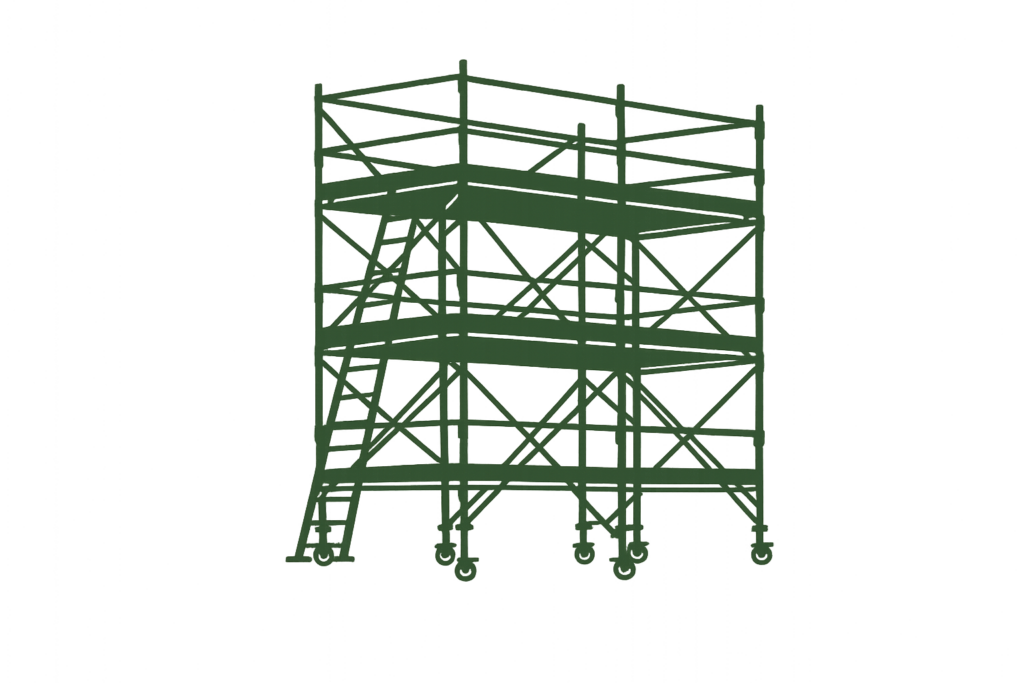
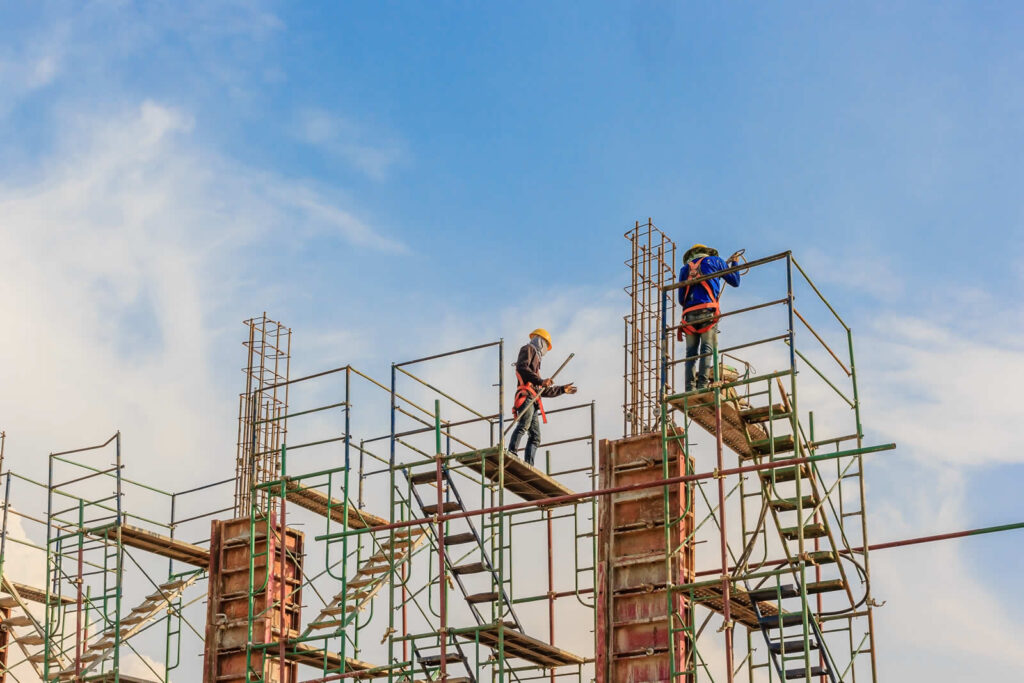
- Scaffold erection around the property
- Installation of support beams
- Fixing the temporary roof covering
- Safety checks and adjustments
This can take anywhere from 2 to 5 days depending on size and complexity. A full team is required throughout.
Labour costs rise further in high-demand areas or where specialist scaffolders are required.
Material Costs Explained
Materials for temporary roofing are more expensive than standard scaffolding components.
Common materials include:
- Aluminium beams for spanning roofs
- Steel scaffold tubes and fittings
- Weatherproof sheeting or shrink wrap
- Fixings and tensioning systems
- Safety rails and netting
These materials are not only costly but also need to be transported, assembled, and later dismantled, adding to overall expense.
Cost Comparison: Standard Scaffolding vs Temporary Roofing
Standard scaffolding for a house might cost £800 to £2,500 depending on size and duration.
Temporary roofing multiplies that cost because:
- It includes full scaffolding plus overhead structure
- It requires more labour
- It uses specialist materials
- It stays in place longer
A typical comparison:
- Basic scaffold: £1,200
- Temporary roof system: £5,000+
This difference explains why temporary roofing is usually only used when absolutely necessary.
When Temporary Roof Scaffolding Is Necessary
Temporary roofing is not used for minor jobs. It is typically required when exposure to the elements would cause damage or delays.
Common situations include:
- Full roof replacements
- Loft conversions
- Fire or storm damage repairs
- Structural roof work
- Historic or listed building renovations
Without a temporary roof, projects can be delayed for weeks due to weather, increasing labour costs elsewhere. In many cases, the scaffold cost is offset by faster project completion.
How Long Temporary Roof Scaffolding Stays Up
Most systems are hired for a fixed period, often between 4 and 8 weeks. Complex projects may require longer.
Leaving it up longer than agreed leads to additional charges. These are usually calculated weekly and can add significant cost over time.
Planning project timelines properly reduces unnecessary extension costs.
Regional Price Differences Across the UK
Costs vary depending on location.
- London: highest pricing due to labour and logistics
- South East: slightly below London but still above average
- Midlands: moderate pricing
- North of England: generally lower
- Scotland and Wales: varies depending on accessibility
Urban areas often cost more due to permits, parking restrictions, and transport challenges.
Hidden Costs to Consider
Some quotes appear low but exclude key elements. These additional costs often appear later:
- Street or pavement permits
- Waste removal or debris netting
- Additional safety measures
- Extended hire fees
- Emergency call-outs for adjustments
A complete quote should clearly state what is included to avoid unexpected charges.
Cost Per Square Metre Estimate
For a rough guideline, temporary roof scaffolding can cost:
- £60 to £120 per square metre
This varies widely depending on the system used and project complexity. Larger jobs may reduce the cost per square metre slightly due to economies of scale.
How to Estimate Costs More Accurately
Generic price ranges only provide a rough idea. Accurate pricing depends on specific project details.
Factors to define:
- Property size and type
- Roof structure and shape
- Required duration
- Location
- Access conditions
Using a scaffolding cost calculator allows you to input these variables and generate a more tailored estimate based on real pricing patterns across the UK.
Temporary Roofing vs Project Delay Costs
Ignoring temporary roofing to save money often leads to higher overall costs.
Delays caused by weather can:
- Extend labour costs for roofers
- Increase project duration
- Risk damage to exposed structures
- Create scheduling conflicts
Temporary roofing stabilises the project timeline. In many cases, it reduces total project cost despite the higher upfront scaffold expense.
Safety and Compliance Costs
Temporary roof scaffolding must meet strict safety standards. This includes:
- Load calculations
- Wind resistance
- Secure fixing methods
- Regular inspections
These requirements add to the cost but are non-negotiable. Cutting corners here introduces risk and potential legal issues.
Reducing Costs Without Compromising Safety
Cost can be managed but not eliminated. Effective approaches include:
- Planning the project timeline accurately
- Minimising hire duration
- Ensuring clear site access
- Choosing appropriate system types
- Comparing multiple quotes
Avoid selecting the cheapest option without understanding what is included. Lower quotes often exclude critical elements.
Typical Timeline for Installation and Removal
Installation:
- 2 to 5 days depending on complexity
Removal:
- 1 to 2 days
Delays can occur due to weather or access restrictions. Efficient scheduling reduces labour time and overall cost.
What You Are Really Paying For
Temporary roof scaffolding is not just equipment hire. It includes:
- Engineering design
- Skilled labour
- Safety compliance
- Weather protection
- Project continuity
The cost reflects the role it plays in protecting the property and allowing construction work to proceed without interruption.
What We Get Asked…
Is temporary roof scaffolding worth the cost?
Yes when the project involves prolonged roof exposure. It prevents delays and damage, often saving money overall.
Can I avoid using a temporary roof?
Only for short or minor jobs. Larger projects usually require it to maintain progress and protect the structure.
Does insurance cover temporary roofing?
Sometimes, especially in cases of storm or fire damage. Coverage depends on the policy.
How long can it stay in place?
As long as needed, but extended hire increases cost. Most initial agreements cover several weeks.
Is it cheaper in winter?
Demand may drop slightly, but weather conditions can increase installation difficulty and cost.
Do all scaffolders offer temporary roofing?
No. It requires specialist equipment and experience. Not all companies provide it.
Final Cost Position
Temporary roof scaffolding is one of the highest-cost scaffold systems used on residential properties. Typical UK costs range from £2,500 to over £12,000 depending on size, complexity, and duration.
The price reflects the level of protection, structural engineering, and labour involved. It is not an optional upgrade in many projects. It is a core component that allows work to continue safely and efficiently.
Accurate cost estimation depends on specific project details. Generic figures provide a starting point, but tailored calculations deliver realistic expectations.