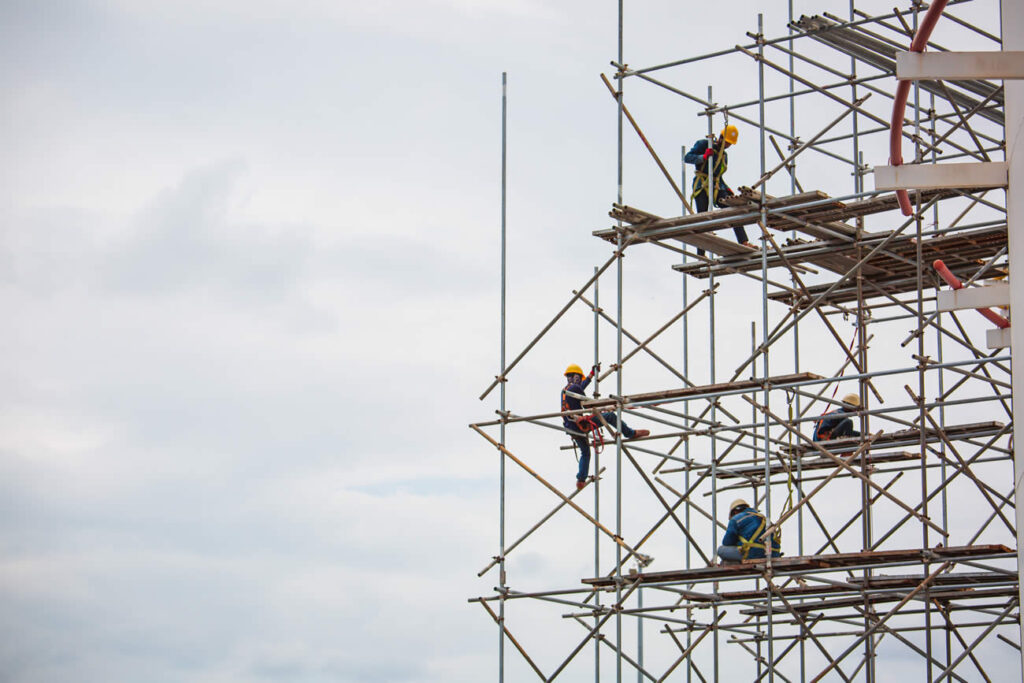
If you look online for advice on how to build scaffolding, a lot of guides go straight into frames, braces, boards, and platforms. The issue is that scaffolding is not something that should be assembled by instinct or guesswork. It is equipment used for work at height, which means the real foundation is not the first component you put in place, but the planning behind it. Before anything is erected, the job needs to be assessed properly, the structure needs to suit the task, and safety has to shape every decision.
That is the clearest pattern across the articles on this topic. While they differ in detail, they all point towards the same basic approach: choose the correct scaffold for the work, check that the ground and components are suitable, build the structure in the proper order, fit the platform and edge protection correctly, and inspect the scaffold before it is used.
Start with the job, not the scaffold
Before a scaffold goes up, you need to be clear about what it is meant to achieve. The size of the building, the type of work, the load requirements, the access needed, the duration of the project, the ground conditions, and any restrictions on site all affect the design. A scaffold for a small repair job is not planned in the same way as one for roofing works, glazing, façade access, or a temporary roof.
That is why proper scaffold planning starts with the work itself. The scaffold should be shaped around the demands of the job, not around whatever materials happen to be available. The more useful guidance always treats scaffolding as a site-specific solution rather than a standard product that works the same way everywhere.
Choose the right type of scaffold
Different projects call for different scaffold types. Some jobs may suit a single scaffold for straightforward brickwork access, while others may need a double scaffold, a trestle scaffold for lower indoor tasks, or a cantilever scaffold where support from the ground is limited. Other situations may require frame scaffolding, suspended scaffolding, interior access systems, or protective structures over public areas.
This choice matters because not every scaffold can be approached in the same way. Some setups can follow recognised standard arrangements, while others need a more specific design. The bigger the job, the more complex the loading, or the more unusual the site, the more important it becomes to make sure the scaffold is properly designed for its exact purpose.
Understand the parts that make the structure work
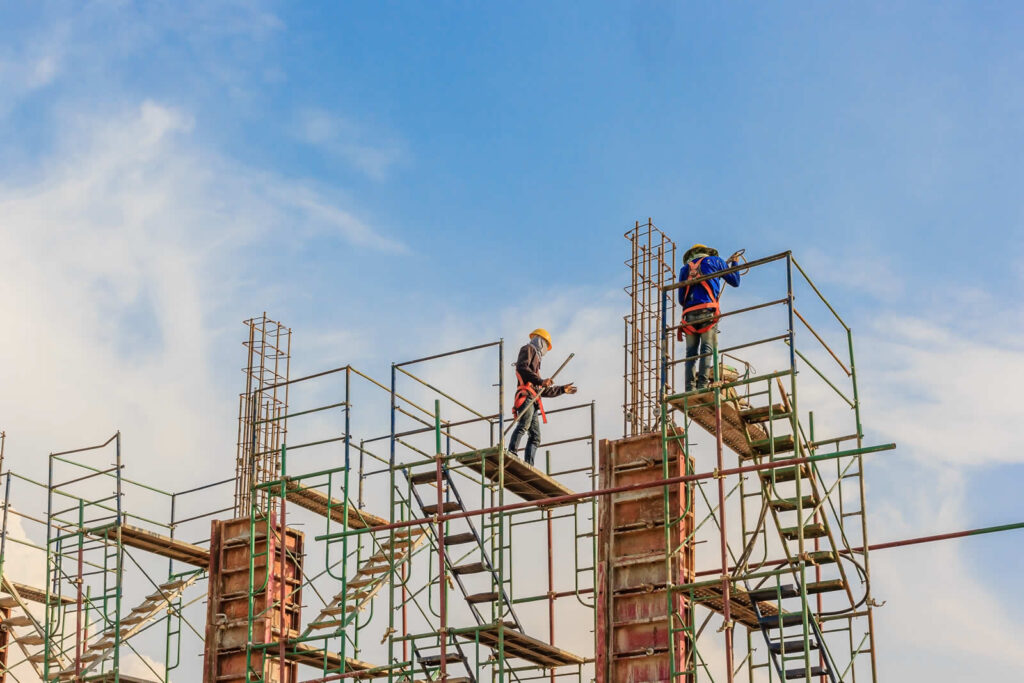
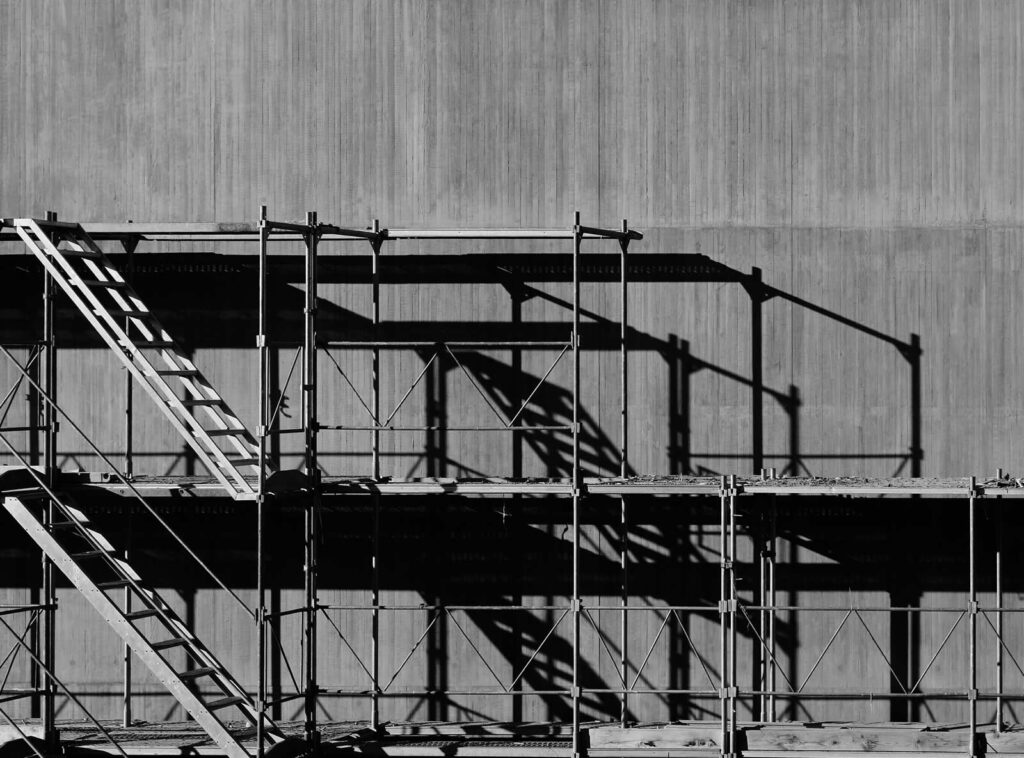
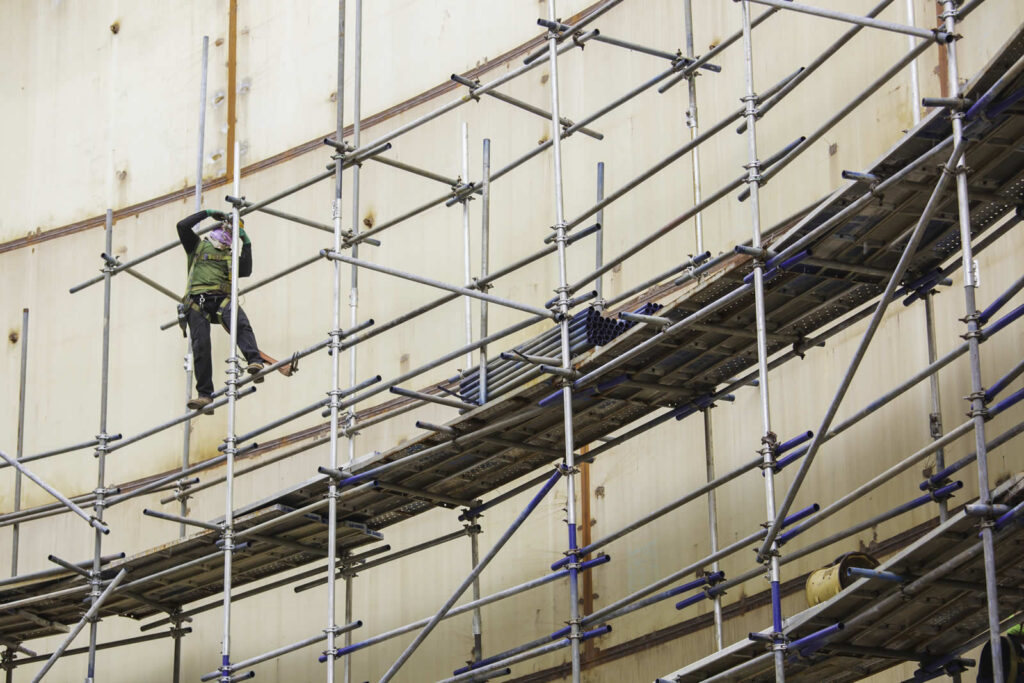
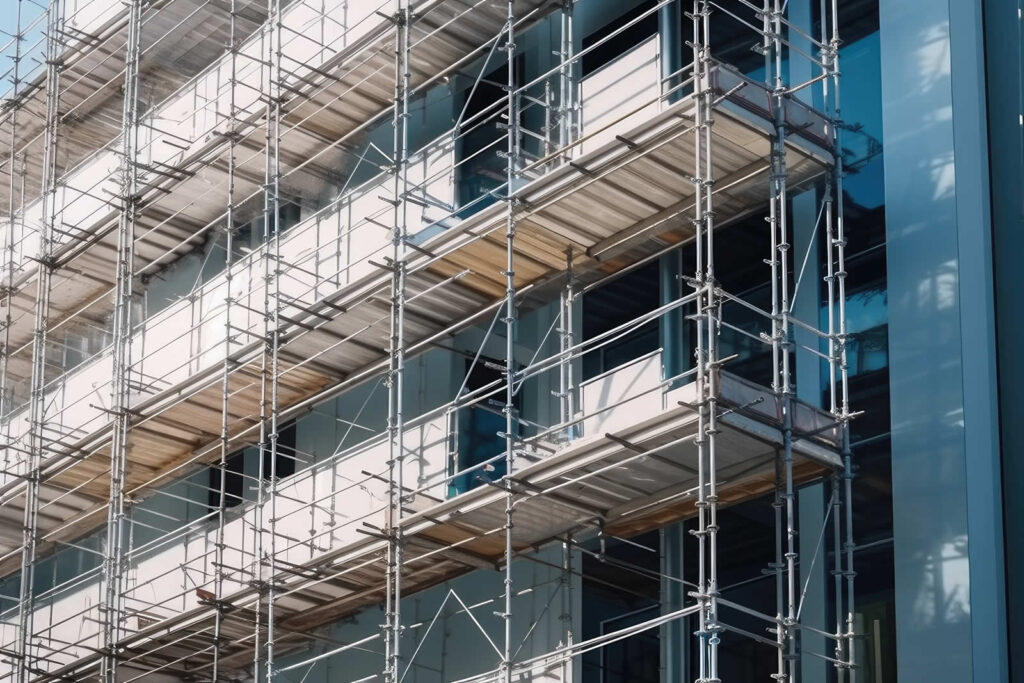
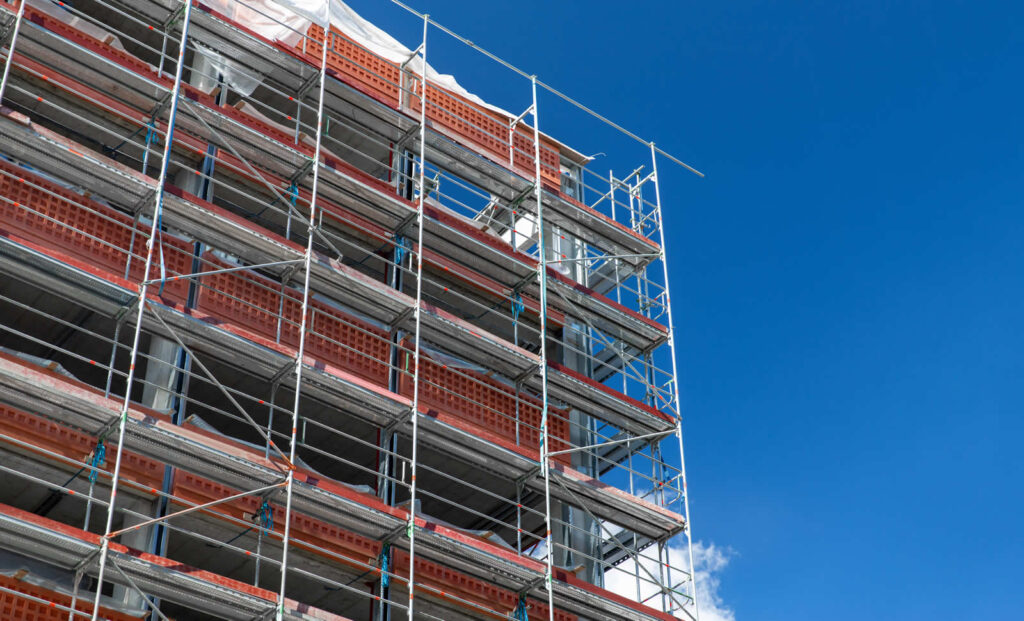
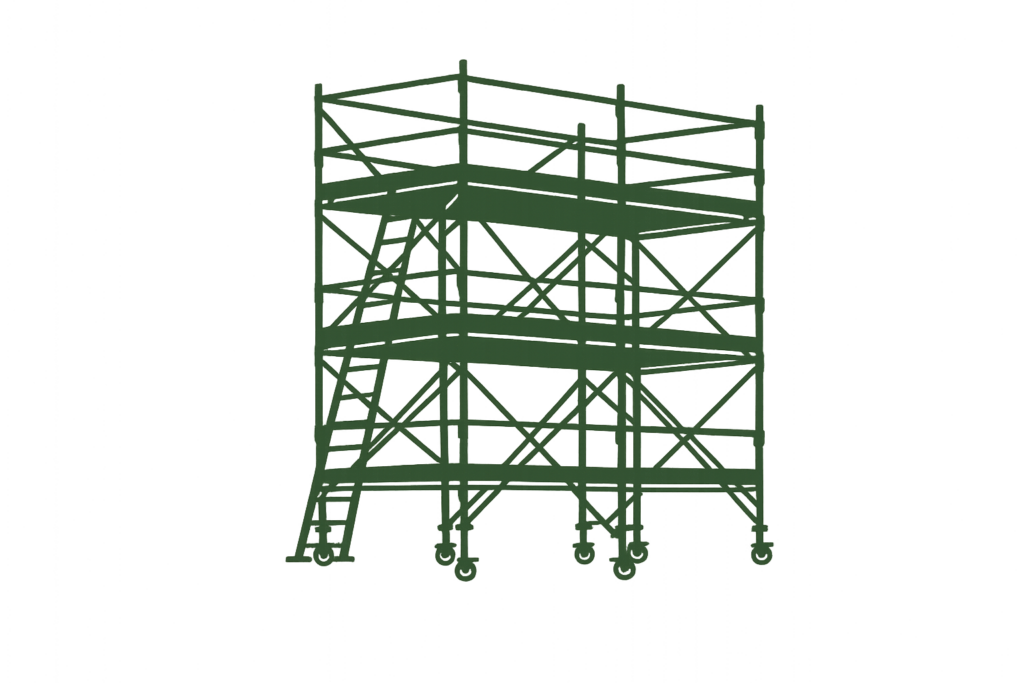
Most scaffolds rely on the same core components. They need vertical supports such as standards or frames, a secure base formed with base plates and often sole boards, horizontal members like ledgers and transoms, secure connections between parts, and diagonal bracing to keep the whole structure stable. On top of that, the scaffold needs safe working platforms, guardrails, and toe boards to protect both workers and materials once it is in use.
Another important part of the structure is the way it is tied and accessed. Ties help keep the scaffold stable by fixing it back to the building or structure where needed, while proper access allows workers to move up and down safely. A scaffold is not just a stack of metal parts. It is a system, and each part has to do its job properly for the whole structure to remain safe.
Prepare the ground and inspect every component first
Many scaffold problems begin before the structure is even assembled. The ground needs to be level, firm, and capable of taking the load. That load also needs to be spread properly through base plates, sole boards, or other suitable support. If the base is poor, the scaffold can settle unevenly, twist out of line, or become unstable once weight is added.
The components themselves also need checking before use. Damaged tubes, worn boards, bent fittings, or parts that do not truly match should never be treated as acceptable. These checks may sound basic, but they are what prevent the kind of faults that can compromise the entire structure later on.
The general build sequence professionals follow
Although scaffolding systems vary, the build process tends to follow the same broad order. First, the base is set out and levelled correctly. Then the initial standards or frames are positioned and stabilised with braces. Once that first structure is secure, ledgers and transoms are fitted to form the framework that will carry the working platform. Only after that should the boards or platforms be installed, followed by the guardrails, toe boards, and proper access.
The final stage is not simply standing back and assuming the scaffold is complete. It needs to be checked thoroughly before use. A scaffold can look fine at first glance and still have faults that make it unsafe. That is why inspection is part of the build process, not something separate from it.
Common mistakes that make scaffolding unsafe
Unsafe scaffolding often comes down to the same avoidable errors. An uneven base, loose fittings, missing braces, poor ties, incomplete guardrails, worn parts, badly supported boards, weak access arrangements, and overloaded platforms can all turn a working structure into a serious risk. Another common mistake is mixing systems or parts that appear similar but are not designed to work together.
These are not random problems. They usually come from poor planning, rushed assembly, or a failure to inspect the scaffold properly. Most scaffold issues can be traced back to decisions made before or during erection, which is why attention to detail matters at every step.
Inspection is part of building scaffolding
A scaffold is not ready simply because the last platform board has been laid. It needs to be inspected before it is first used, and it should continue to be checked at suitable intervals and after anything that could affect its stability or safety. Changes in weather, alterations to the scaffold, and changes in loading can all affect how the structure performs.
That is a major difference between a casual explanation online and the reality of proper scaffold use. Building scaffolding is not only about erecting a structure. It is about making sure the scaffold stays safe for as long as it remains in place and continues to suit the demands of the work being carried out on it.
In many cases, renting makes more sense than buying
For some people, hiring scaffold equipment can be a more practical option than buying it. Rental can reduce the upfront cost and remove the need to store, maintain, transport, and inspect scaffold components long term. For occasional projects or one-off jobs, that can make much more sense than owning equipment that may not be used often.
It can also lead to better safety outcomes. Hiring the right scaffold system for the job reduces the temptation to make do with whatever parts are already on hand. For many property owners and contractors, using properly matched hired equipment is safer and more efficient than trying to build from mixed or ageing stock.
Final thoughts
So how do you build scaffolding? In simple terms, you begin with the needs of the job, choose the right type of scaffold, make sure the ground and materials are suitable, erect the structure in the correct order, fit the platform and protection properly, provide safe access, and inspect everything before use.
The more important point, though, is that scaffolding should never be treated as a casual DIY setup. It is a temporary access system that must be planned carefully, built correctly, and kept safe throughout its use. The best way to think about scaffolding is not as a quick frame to throw together, but as a properly organised structure that needs to perform safely from the moment it is erected until the moment it is dismantled.
Try our scaffolding calculator
If you want a quicker way to estimate likely scaffold costs, try our scaffolding cost calculator. It gives you a simple starting point based on the type of scaffold, the size of the job, hire duration, and key project details. That makes it easier to budget before you request a formal quote.
A scaffolding calculator is useful if you want a rough guide before speaking to a contractor, especially when you are comparing options for roofing work, chimney access, exterior repairs, painting, or larger building projects. It helps you understand how different factors can affect price and gives you a clearer idea of what to expect.
Use the scaffolding calculator now to get a fast estimate and plan your project with more confidence.