If you’ve noticed cracked mortar along the top of your roof, loose ridge tiles, or bits of cement falling into your gutters, you’re probably wondering whether scaffolding is needed to fix the problem. It’s one of the most common questions homeowners ask when roof repairs are mentioned, especially when you’re trying to understand the cost and what the work actually involves.
The short answer is that scaffolding is usually recommended when replacing ridge tiles. In many cases, it’s the safest and most practical option. However, it isn’t always required. Some repairs can be completed using ladders or roof ladders, depending on your property and the condition of your roof.
Understanding when scaffolding is necessary and when it might not be can help you make a better decision. It also helps you avoid paying for unnecessary access while still ensuring the work is completed safely and properly.
What Ridge Tiles Actually Do
Ridge tiles sit along the highest point of your roof. They cover the join where two roof slopes meet and help keep water, wind, and debris from entering your roof structure.
Because ridge tiles are fully exposed to the weather, they tend to wear out faster than other parts of your roof. Wind, rain, frost, and temperature changes all affect the mortar and tiles over time.
As mortar ages, it starts to crack. Once cracks appear, water can enter and freeze during colder months. When water freezes, it expands, which causes further cracking and movement. Over time, ridge tiles begin to loosen.
This is why ridge tiles often become one of the first areas of the roof that needs attention.
You might notice problems such as:
- Loose ridge tiles
- Cracked mortar along the ridge line
- Ridge tiles that look uneven
- Mortar falling into gutters
- Water entering the loft
- Gaps appearing between tiles
Even if the issue looks small, ridge tile problems can quickly become more serious. A loose ridge tile can shift during strong winds, potentially falling from the roof. This creates a safety risk and can also cause damage to roof tiles below.
Because ridge tiles sit at the highest point of the roof, replacing them requires working at height, which is where scaffolding becomes part of the conversation.
Why Ridge Tile Replacement Is Different from Other Roof Repairs
Not all roof repairs are the same. Some repairs can be completed from ladders or with limited access. Ridge tile replacement is different because of where the work takes place.
The ridge sits at the highest point of your roof. That means roofers need to work at maximum height, often on a slope, while handling tools and materials.
This makes ridge tile replacement more difficult than replacing a single roof tile lower down.
Roofers often need to:
- Remove old mortar
- Lift ridge tiles carefully
- Clean and prepare the ridge line
- Install new mortar or dry ridge fixings
- Position tiles accurately
- Secure tiles properly
Each of these steps requires stability and space to work safely. Without proper access, the work becomes slower and more difficult.
This is why scaffolding is often recommended for ridge tile replacement.
Why Scaffolding Is Usually Recommended
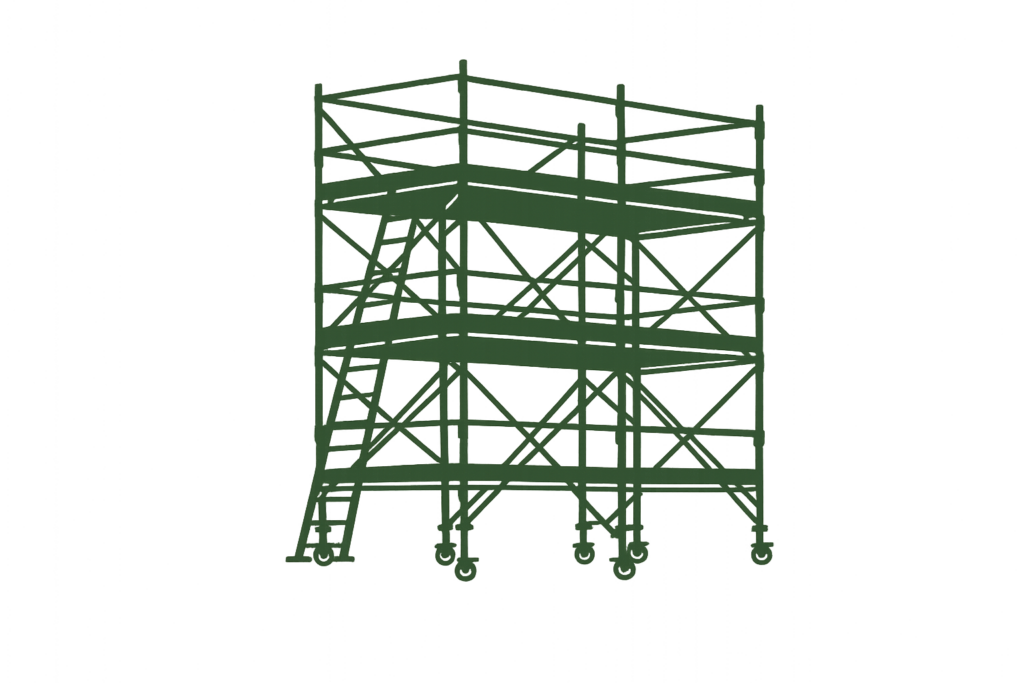
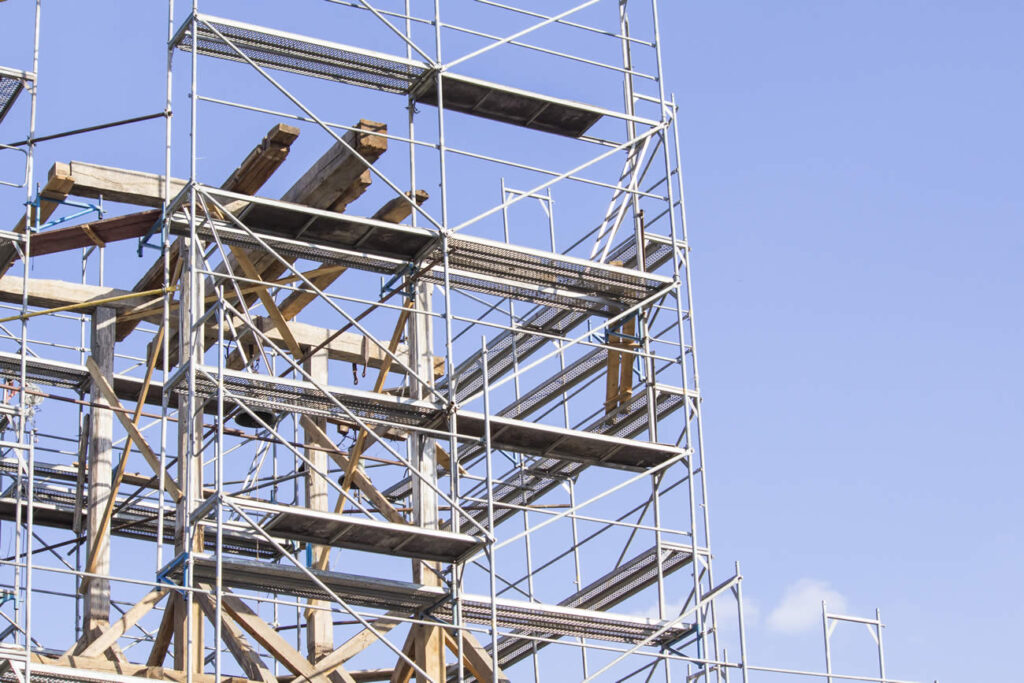
Scaffolding provides a stable platform for roofers to work from. Instead of balancing on ladders or roof tiles, they can stand on a secure working area.
This improves both safety and the quality of the repair.
When roofers use scaffolding, they can:
- Move safely across the roof edge
- Handle tools and materials more easily
- Remove old mortar thoroughly
- Position ridge tiles accurately
- Complete work more efficiently
Scaffolding also reduces pressure on roof tiles. Walking directly on roof tiles can sometimes cause damage, particularly on older roofs. A scaffold allows roofers to work from the edge rather than moving across the roof unnecessarily.
This often leads to a cleaner, more professional finish.
For many roofing companies, scaffolding is the preferred option because it reduces risk and improves working conditions.
When Scaffolding Is Typically Required
There are several situations where scaffolding is usually necessary.
If your property has two storeys or more, scaffolding is commonly used. The higher the roof, the greater the risk when working from ladders.
Steep roof pitches also increase the likelihood that scaffolding will be required. A steep roof makes it harder for roofers to move safely and maintain balance.
Restricted access around your property can also make scaffolding necessary. If there’s limited space for ladders or difficult ground conditions, scaffolding becomes the safer option.
Scaffolding is also more likely to be needed when multiple ridge tiles require replacement. If the entire ridge line needs re-bedding or replacement, scaffolding makes the process much more practical.
Weather conditions can also influence the decision. Windy or unpredictable conditions increase the risk when working from ladders. Scaffolding provides greater stability in these situations.
Older roofs may also require scaffolding. If tiles are fragile or the roof structure is ageing, roofers may avoid walking directly on tiles.
In many of these situations, scaffolding becomes the safest and most efficient option.
When Scaffolding Might Not Be Necessary
There are cases where ridge tile replacement can be completed without scaffolding.
Single-storey properties, such as bungalows, are often easier to access. If only one or two ridge tiles need replacing, roofers may choose to use ladders instead.
Easy access around the property can also reduce the need for scaffolding. If roofers can safely position ladders and roof ladders, they may not require full scaffolding.
Small repairs may also be completed without scaffolding. For example, re-bedding a single ridge tile may be possible using ladder access.
However, even in these situations, some roofers still prefer scaffolding. It often comes down to individual working methods and risk assessment.
Some companies include scaffolding as standard, while others offer alternative access methods.
Safety Considerations When Replacing Ridge Tiles
Working at height always carries risk. Falls from roofs are one of the most common causes of injury in construction and roofing work.
Replacing ridge tiles involves working at the highest point of the roof. This increases the risk compared to lower-level repairs.
Roofers may also need to carry heavy ridge tiles, buckets of mortar, and tools. Handling these items while balancing on ladders increases the chance of accidents.
Weather also plays a role. Wet or windy conditions make roof work more dangerous.
Scaffolding helps reduce these risks by providing a stable platform. It allows roofers to work safely and maintain balance while completing repairs.
From a homeowner’s perspective, safer working conditions often lead to better results and fewer problems.
Traditional Ridge Tile Replacement vs Dry Ridge Systems
There are two main methods used when replacing ridge tiles.
Traditional mortar bedding involves removing old mortar and installing ridge tiles using fresh mortar. This is the traditional method and is still widely used.
Dry ridge systems are a more modern solution. These systems use mechanical fixings instead of mortar. Ridge tiles are secured using brackets and fixings, allowing for movement and ventilation.
Dry ridge systems often last longer and require less maintenance. They also cope better with temperature changes and roof movement.
Both methods benefit from proper access. Whether using mortar or dry ridge systems, roofers still need safe working conditions.
Scaffolding often improves installation quality for both methods.
How Long Ridge Tile Replacement Takes
The time required depends on the size of the job.
Small repairs may take a few hours. Replacing a full ridge line may take a full day. Larger properties may take longer.
If scaffolding is required, setup time is usually added. However, once scaffolding is in place, the repair often moves faster.
Roofers can work more efficiently when they have stable access.
This can sometimes offset the time required for scaffold installation.
Cost Considerations When Using Scaffolding
Scaffolding is often the largest additional cost when replacing ridge tiles.
Costs vary depending on:
- Property height
- Access requirements
- Scaffold size
- Location
- Duration required
While scaffolding adds cost, it can improve repair quality and reduce the risk of repeat repairs.
If multiple ridge tiles need replacing, scaffolding may actually save money in the long term.
Many homeowners choose to complete additional roof work while scaffolding is in place. This can include checking flashing, replacing damaged tiles, or inspecting chimneys.
Combining repairs can help maximise value from the scaffold setup.
Should You Replace All Ridge Tiles at Once?
If several ridge tiles are failing, replacing the entire ridge line may make sense.
This avoids repeat scaffold costs and ensures consistent installation.
Older mortar often fails across the entire ridge line. Replacing only one or two tiles may lead to further issues later.
Many homeowners choose full replacement when scaffolding is already installed.
This approach often reduces long-term maintenance.
Weather and Ridge Tile Replacement
Weather conditions affect ridge tile replacement. Mortar needs suitable conditions to cure properly.
Rain, frost, and strong winds can delay work. Roofers typically plan repairs during suitable weather conditions.
Scaffolding can help provide safer working conditions during unpredictable weather.
However, severe weather may still delay work regardless of access.
DIY Ridge Tile Replacement
Some homeowners consider replacing ridge tiles themselves. While this may seem like a way to save money, working at height carries significant risk.
DIY repairs also require proper installation knowledge. Incorrect installation can lead to leaks, loose tiles, and further damage.
In many cases, hiring a professional roofer is the safer option.
If scaffolding is required, DIY repairs often become impractical.
Signs Ridge Tiles Need Attention
Ridge tile issues often develop gradually. You may notice:
- Cracked mortar
- Loose tiles
- Gaps along the ridge
- Water in loft spaces
- Debris in gutters
If you notice these signs, arranging an inspection is usually a good idea.
Early repairs often prevent more expensive problems later.
Making the Right Decision
Whether you need scaffolding depends on your property, roof condition, and repair scope.
In many cases, scaffolding provides the safest and most effective solution. It improves access, reduces risk, and allows roofers to complete repairs properly.
While scaffolding adds cost, it often leads to better long-term results.
If you’re unsure, comparing quotes and discussing access options with roofers can help you decide.
Choosing the safest and most practical option usually delivers the best outcome.
Want to Know the Cost Before You Start?
If you’re considering ridge tile replacement and scaffolding may be required, it can help to get a rough idea of costs before requesting quotes. A scaffolding price can vary depending on property height, access, and the amount of work involved.
You can use our Scaffolding Cost Calculator to get a quick estimate based on your property type and requirements. It only takes a few seconds and gives you a clearer idea of what to expect before speaking to a contractor.
Try the Scaffolding Cost Calculator to get your estimate and plan your ridge tile replacement with confidence.