If you are planning work on your home in Birmingham, you will probably reach a point where scaffolding becomes part of the job. You might be thinking about a roof repair, repainting the outside, or fixing something higher up that you cannot safely reach. At that moment, one question tends to come up straight away. How much is this going to cost?
You might search online and see a few numbers, but they rarely feel clear or specific to your situation. Prices vary, quotes differ, and it can feel like you are trying to plan without a solid answer.
This guide gives you something more grounded. You will see realistic scaffolding costs in Birmingham, what actually affects those prices, and how to approach it in a way that makes sense. You will also see how the city itself shapes demand and pricing, from busy central areas to quieter residential streets.
By the end, you should feel more certain about what you are likely to pay and how to move forward without second guessing every quote.
How much does scaffolding cost in Birmingham on average?
If you want a clear starting point, most domestic scaffolding jobs in Birmingham sit within a few common ranges.
For a typical property, you are usually looking at:
- Front of a house: around £450 to £950
- Two sides of a property: around £850 to £1,600
- Full wrap around a house: around £1,300 to £3,200 or more
- Chimney access scaffold: around £650 to £1,300
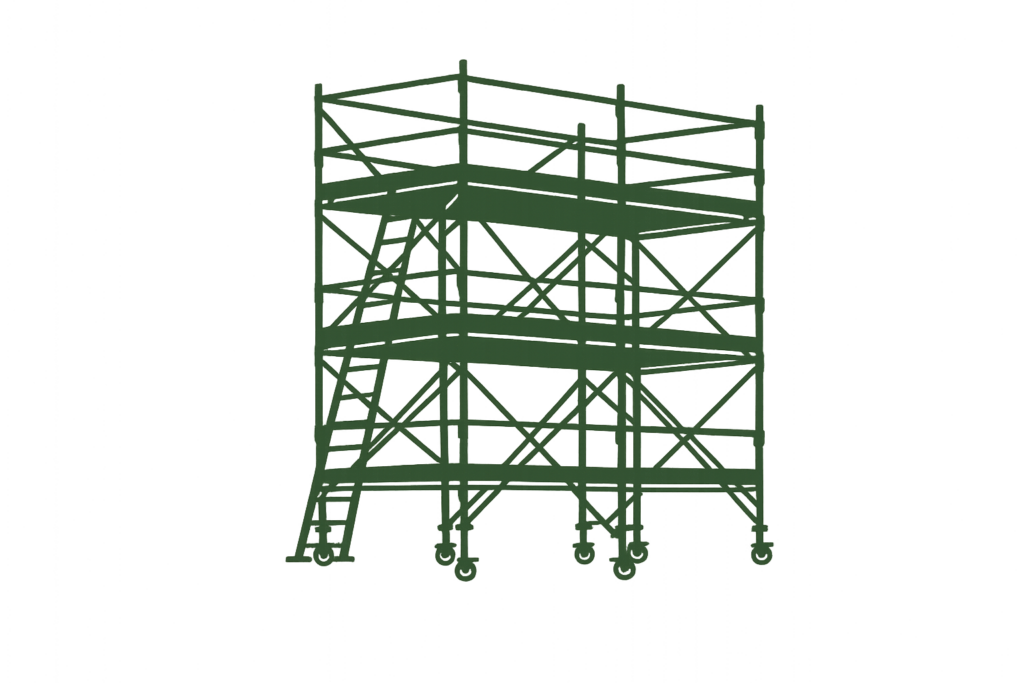
- Scaffold tower hire: around £250 to £650 per week
These figures reflect what many homeowners in Birmingham see when they start requesting quotes. They are not fixed prices, but they give you a realistic idea of what to expect.
You should treat them as a guide that helps you understand the range before you start speaking to companies.
Why does scaffolding cost what it does in Birmingham?
When you look at a quote, the number might feel high at first. Once you understand how the price is built, it starts to make more sense.
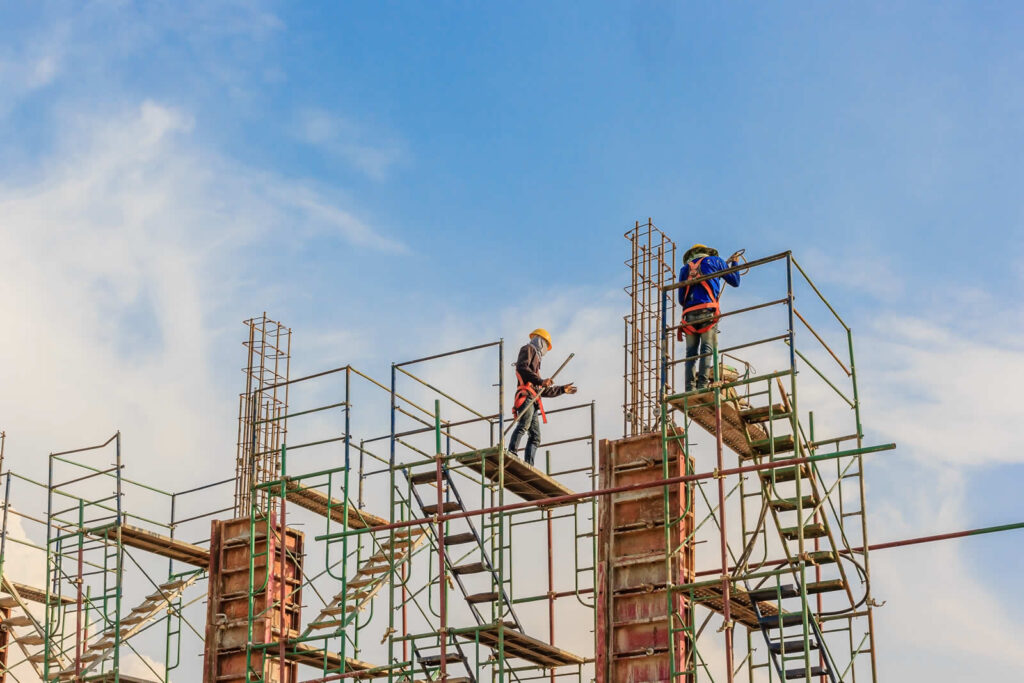
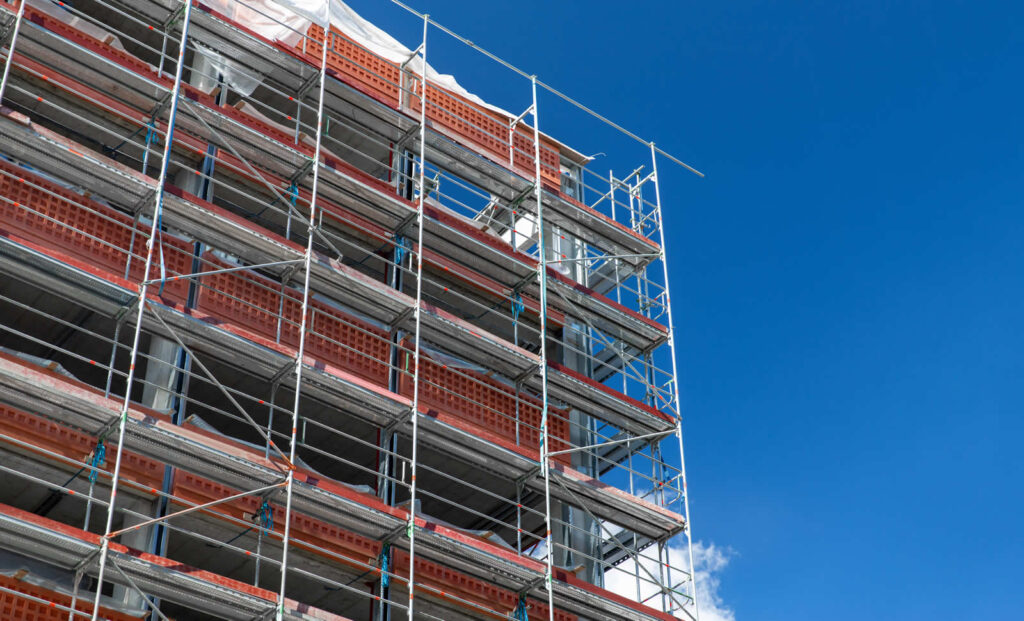
Scaffolding is not a simple product that you buy and install. It is designed and assembled around your property. That means the price reflects the time, materials, and effort needed for your specific job.
The size of your home has a direct impact. A wider property needs more scaffold. A taller property needs more structure. Each added section increases both labour and material use.
Access also plays a part. In areas close to the city centre, space can be tight. Terraced streets, parked cars, and limited access points can slow the process down. That extra time feeds into the final price.
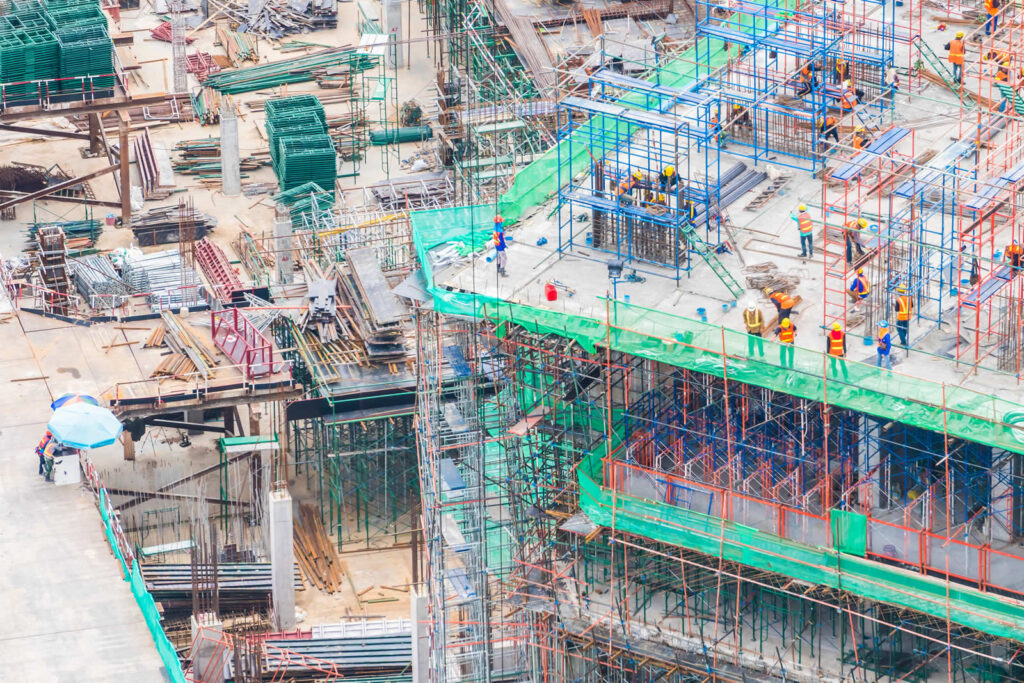
Then there is demand. Birmingham is a busy city with constant building, renovation, and maintenance work. That demand keeps scaffolders active, which can influence pricing, especially during peak periods.
When you see a quote, you are not just paying for poles and boards. You are paying for a structure built to fit your property safely and efficiently.
How do Birmingham landmarks reflect scaffolding use in real life?
If you walk through Birmingham, you will notice scaffolding in places you might not even think about at first.
Take the area around the Bullring. Buildings here are constantly maintained, updated, or improved. Even if you do not see it every day, scaffolding is often part of that process behind the scenes. Access at height allows work to happen without disrupting the flow of people below.
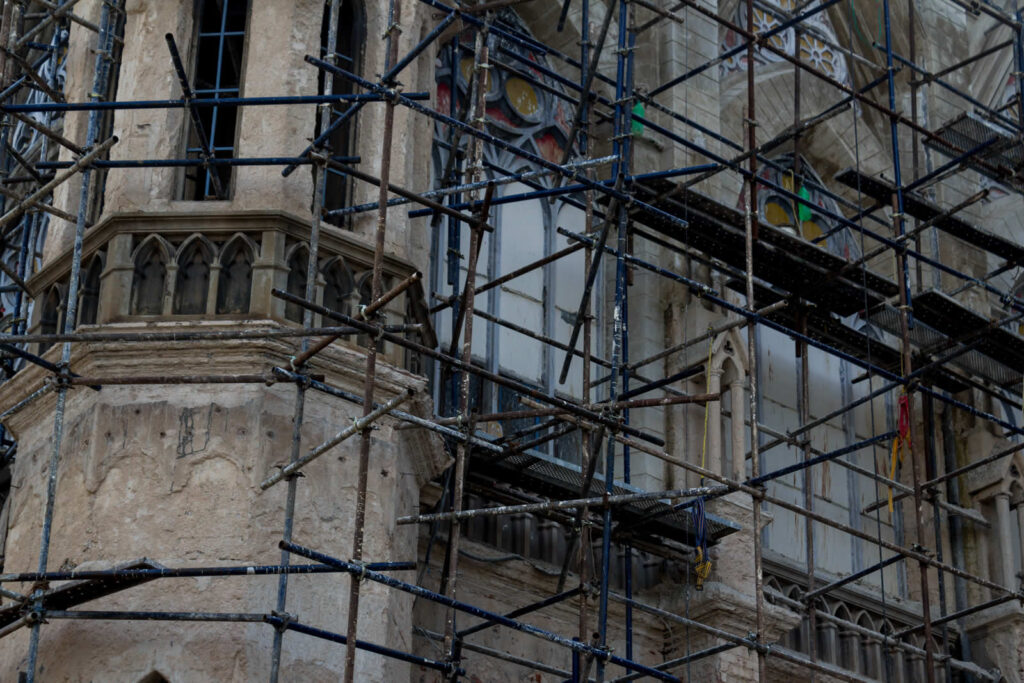
Look at older buildings near Jewellery Quarter. These properties need regular upkeep. Brickwork, roofing, and structural details all require safe access. Scaffolding becomes essential, not optional.
Around Edgbaston, you have larger homes and period properties. These often need more extensive scaffold setups. Wider fronts, higher roofs, and more complex layouts all push costs higher compared to smaller terraces.
Even in newer areas, maintenance work still depends on scaffolding. Window replacements, external repairs, and roof adjustments all require stable access.
When you connect this back to your own home, it becomes easier to see why scaffolding is priced the way it is. The same principles apply whether it is a landmark building or a residential street.
How much does scaffolding cost for a house in Birmingham?
If you focus on a standard home, the pricing becomes easier to visualise.
For a basic front scaffold on a two-storey house, you will often see quotes between £500 and £1,000. This usually covers straightforward access for smaller jobs.
If you need access to multiple sides, the price increases. Two sides may cost between £850 and £1,600, depending on width and access.
For a full wrap around scaffold, which gives full access to the property, costs often move into the £1,300 to £3,200 range or higher for larger homes.
Each step up in access adds complexity. More structure means more time to install and dismantle, which is reflected in the price.
How much is scaffolding per week in Birmingham?
Most scaffolding quotes include a standard hire period. This is often around six to eight weeks, which suits most domestic projects.
If your work takes longer, you may need to pay a weekly extension fee.
In Birmingham, this usually falls between £50 and £150 per week, depending on the size and type of scaffold.
This is an important detail to check before you agree to anything. A quote that looks lower at first can become more expensive if the included hire period is short.
What factors increase scaffolding costs the most?
When you want to understand pricing clearly, it helps to focus on the factors that make the biggest difference.
Property size is one of the main drivers. Larger homes require more equipment and more labour.
Height also matters. Additional levels increase the amount of structure needed.
Access conditions can quickly change the price. Tight spaces, obstacles, or restricted areas slow down the work.
Extras such as chimney access, temporary roofing, or safety features all add cost.
Duration plays a role too. The longer the scaffold stays up, the more you may pay.
These factors combine to create the final quote you receive.
Is scaffolding in Birmingham more expensive than other cities?
Birmingham tends to sit somewhere in the middle when it comes to pricing.
It is usually more affordable than London, where labour and demand are higher. At the same time, it can be similar to other large cities like Manchester or Leeds.
Local demand still influences pricing. Busy periods can lead to higher quotes, while quieter times may bring more competitive options.
The key point is that your specific job matters more than the city itself.
Do you always need scaffolding for work on your home?
Not every job requires scaffolding, but many do.
If you are working on a roof, chimney, or upper level of your home, scaffolding often provides the safest and most practical access.
For smaller tasks, a ladder or scaffold tower might be enough. However, most trades prefer full scaffolding because it allows work to move more efficiently and safely.
The cost is often balanced by the benefits of stability and reduced risk.
How can a scaffolding cost calculator help you plan in Birmingham?
If you want to get a clearer idea of cost before contacting companies, a scaffolding cost calculator can help you move forward with more confidence.
Instead of guessing, you can build an estimate based on your property. You select the type of house, the number of sides, the height, and any extras. As you adjust these options, you start to see how each choice affects the price.
That matters because small changes can shift the cost more than you might expect. Adding another side, increasing height, or extending the hire period all influence the final figure.
Using a calculator gives you a realistic range before you start speaking to scaffolders. When quotes come in, you have something to compare them against.
It also helps you plan the work itself. You might decide to combine jobs so the scaffold is used more efficiently. Or you might adjust the setup to keep costs within your budget.
A calculator does not replace a real quote, but it gives you clarity at the start. That clarity makes every decision easier.
How do you get an accurate scaffolding quote in Birmingham?
To move from estimates to real numbers, you need a proper quote based on your property.
You should describe the work clearly and explain which areas need access. Mention any features that could affect installation, such as extensions or restricted access points.
It is also useful to give an idea of how long the work may take. This helps shape the quote and reduces the chance of unexpected costs.
Getting more than one quote allows you to compare options and understand what feels reasonable.
The aim is not just to find the lowest price, but to find a quote that reflects the work you need.
What should you look for in a scaffolding quote?
A clear quote should explain what is included.
You should check the areas covered, the structure provided, and the length of the hire period. Make sure you understand what happens if you need the scaffold for longer.
It is also important to confirm whether delivery, installation, and removal are included.
When everything is clear, you reduce the risk of confusion later.
How can you keep scaffolding costs under control?
You may not be able to make scaffolding cheap, but you can approach it in a way that keeps costs manageable.
Combining jobs is one of the most effective steps. If multiple tasks need access, doing them at the same time can reduce how long the scaffold stays in place.
Preparing the area helps as well. Clear access allows scaffolders to work more efficiently.
Comparing quotes gives you a better understanding of what is fair.
These steps do not remove the cost, but they help you avoid paying more than necessary.
What is the best way to plan your scaffolding budget?
Start with a rough estimate so you understand the likely range. Then move on to real quotes from local companies.
Allow some flexibility in your budget in case the project takes longer than expected.
When you plan this way, you reduce uncertainty and make better decisions.
The bottom line on scaffolding costs in Birmingham
Scaffolding in Birmingham usually costs between £450 and £3,200 or more, depending on the size and complexity of the job.
Smaller setups stay at the lower end. Larger or more complex structures move higher.
The important thing is not just the number itself, but your understanding of how that number is built.
When you understand the factors involved and use tools like a scaffolding cost calculator to guide you, you move forward with confidence rather than guesswork.
That is what makes the difference when you are planning work on your home.