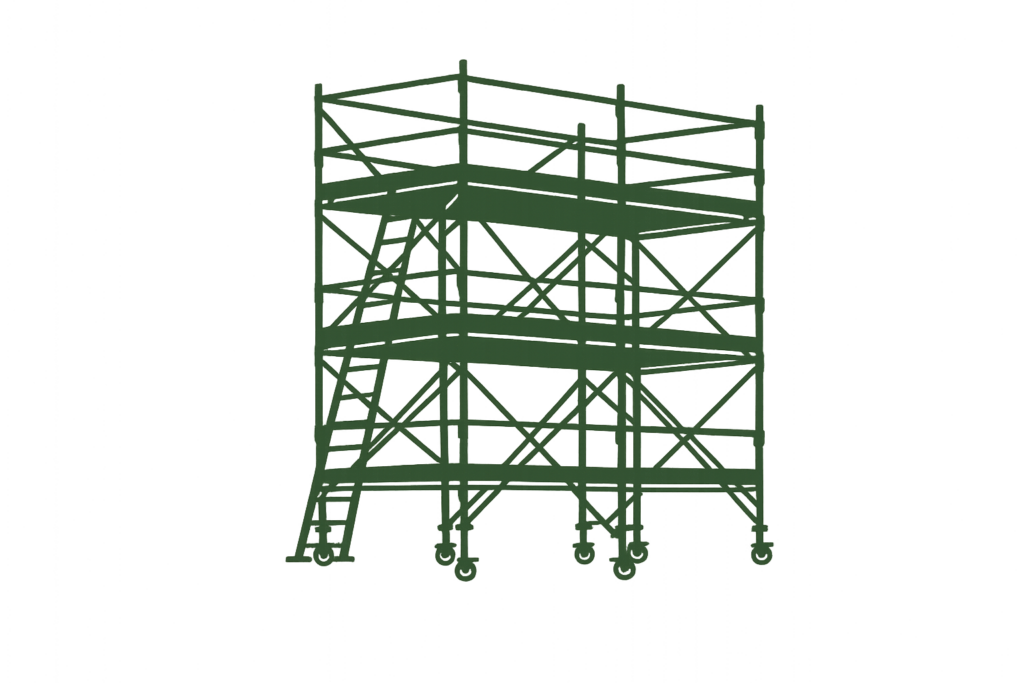

If you have scaffolding on your home, there comes a point where you stop thinking about the work and start thinking about getting your space back, because once the job is finished, the structure that helped everything move forward can begin to feel like something you want gone as soon as possible. That is when a simple question turns into something more practical: how long does it actually take to remove scaffolding, and what should you expect once the work is done?
You might assume removal is quick and straightforward, and in many cases it is, but the timing still depends on the size of the scaffold, how it was built, how easy it is to access, and how the scaffolding company schedules dismantling jobs. What you want is a clear expectation, not a vague promise, so you can plan around it and avoid the frustration of waiting without knowing why.
This guide gives you a realistic view of how long scaffold removal takes in the UK, what affects the timeline, and how to make sure the process moves as smoothly as possible once your project reaches the finish line.
How long does it take to remove scaffolding from a house?
For most domestic properties, scaffolding removal takes between 2 and 6 hours, although the exact time depends on the size and complexity of the structure. This range reflects what you will see across typical UK jobs where a standard two-storey house scaffold can often be dismantled within half a day, while larger or more complex setups may take closer to a full working day.
If your scaffold was relatively simple, such as a front elevation for roof repairs or painting, you will often see a team arrive in the morning and complete removal before the afternoon. If the scaffold wrapped around multiple sides of the property or included additional features like chimney access, the process will take longer because there are more components to remove safely.
The key point is that removal is usually faster than installation, but it is still a structured process that cannot be rushed without compromising safety.
Why is scaffolding removal usually quicker than installation?
When scaffolding is first erected, the team has to build the structure from the ground up, ensuring every component is placed correctly and securely, which takes time and careful coordination. Removal works in reverse, which makes the process more efficient because the structure is already in place and can be dismantled systematically from the top down.
Even though it is quicker, removal still involves a controlled sequence where each part is taken apart safely and passed down in a way that avoids risk to both the workers and the surrounding area. That is why the process feels faster but still follows a clear structure rather than being done all at once.
What happens during scaffolding removal?
Understanding what actually happens during dismantling helps you see where the time goes, because it is not just a case of taking things apart quickly; it is about doing it safely and efficiently without creating hazards.
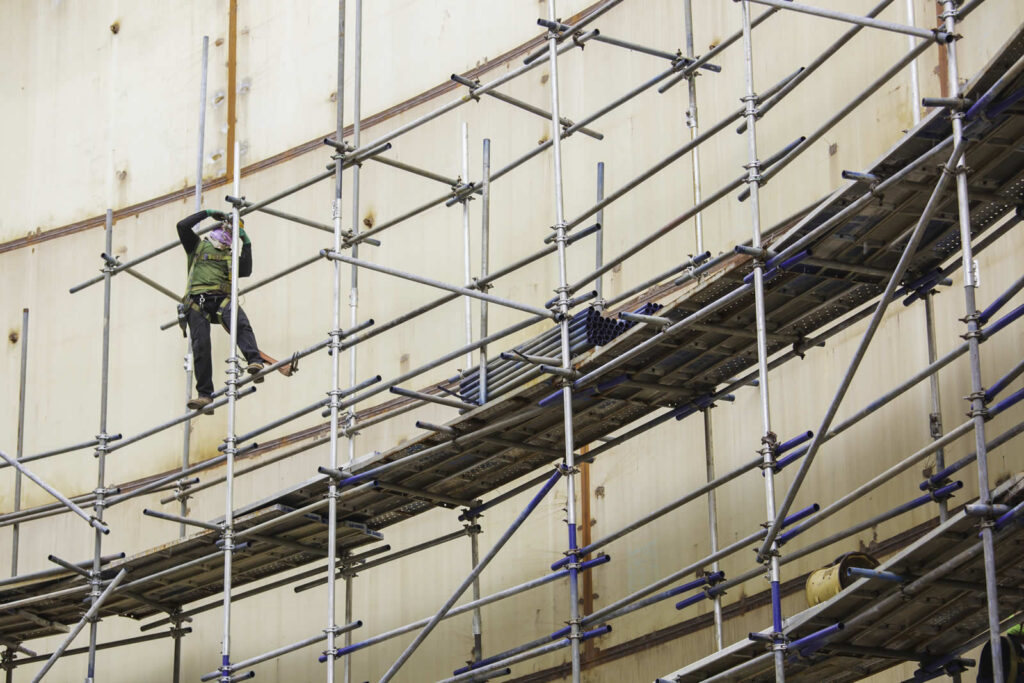
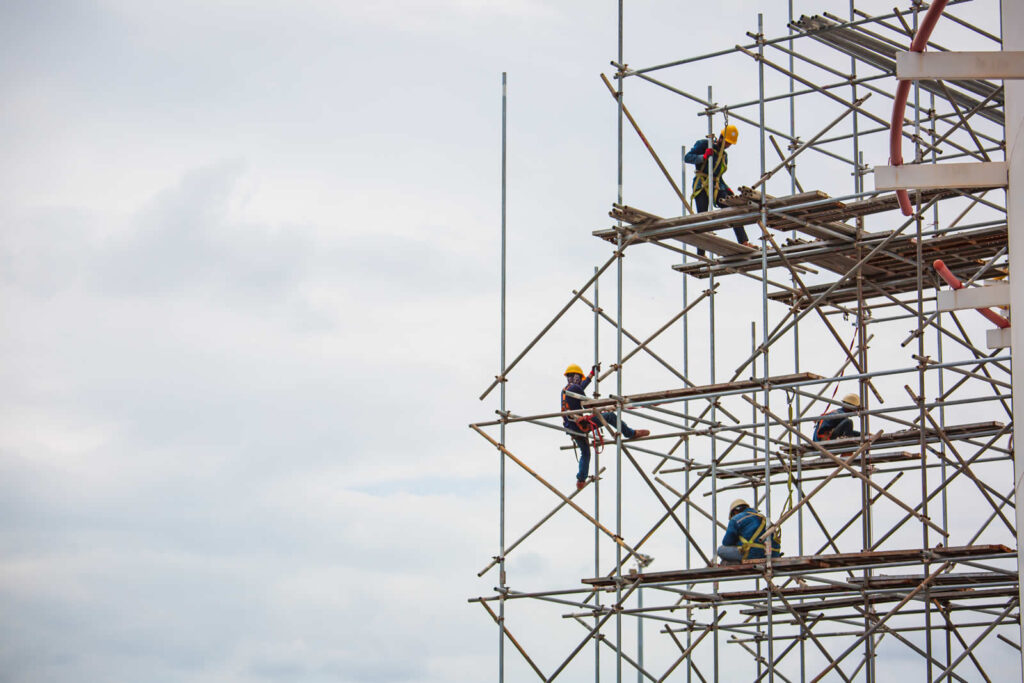
The team will usually start by removing boards and guardrails from the top level, working downwards in stages so the structure remains stable throughout. As each section is dismantled, materials are passed down and stacked ready for loading, which keeps the site organised and reduces the risk of damage.
At ground level, the base components are removed last, and the area is cleared once everything has been taken away. The entire process is designed to maintain stability until the final stages, which is why it follows a specific order rather than being rushed.
What factors affect how long scaffolding removal takes?
While the average timeframes give you a good starting point, your actual removal time depends on how your scaffold was built and what conditions the team is working in, because even small differences can change how quickly the job can be completed.
How large is the scaffold?
The size of the structure has a direct impact on removal time because more materials mean more components to dismantle and move, which naturally increases the amount of work involved. A small access scaffold can be removed quickly, while a full wrap around a property takes longer simply because there is more to take down.
How complex is the structure?
Complex scaffolding, such as chimney access or bridging sections over roofs, requires more careful dismantling because these features involve additional supports and connections that must be removed in the correct order. This adds time compared to a straightforward structure.
How easy is access to the site?
Access plays a major role in both installation and removal, because if scaffolders can move materials easily between the structure and their vehicle, the process becomes much faster. Restricted access, such as narrow pathways or obstacles, slows everything down because each component takes longer to move.
Are there any weather conditions affecting the work?
Weather can affect removal just as much as installation, because high winds, heavy rain, or icy conditions can make dismantling unsafe. If conditions are not suitable, the team may delay removal or pause until it is safe to continue.
How many scaffolders are on the job?
The size of the team affects how quickly removal can be completed, because more workers allow materials to be moved and dismantled more efficiently. A larger team can often complete the same job in less time than a smaller one, even though the process itself remains the same.
Can scaffolding be removed the same day the work finishes?
In some cases, yes, but this depends on scheduling rather than the removal process itself, because scaffolding companies often plan dismantling jobs separately from installation work. Even if your project finishes in the morning, the removal team may not be available until later in the day or the following day.
In most situations, scaffolding is removed within a few days of the work being completed, rather than immediately, because companies need to organise their workload efficiently across multiple jobs.
Why is there sometimes a delay in removing scaffolding?
If you notice scaffolding staying up longer than expected after the work is finished, it is usually not because the company has forgotten about it, but because removal needs to be scheduled alongside other jobs. Scaffolders often group dismantling tasks to make the best use of their time and resources, which means there can be a short delay between completion and removal.
Other factors can also contribute to delays, such as weather conditions, access issues, or changes in scheduling, but in most cases the delay is temporary and part of normal operations.
Does leaving scaffolding up after work affect cost?
In many cases, the initial hire period included in your quote will cover the time needed for removal, which means a short delay will not usually result in additional charges. However, if the scaffold remains in place beyond that agreed period, weekly charges may begin to apply, depending on your contract.
This is why it is important to understand how long your hire period lasts and to communicate with the scaffolding company once your work is complete, so removal can be arranged within that timeframe.
Is scaffolding removal disruptive?
Removal can create some temporary disruption, but it is usually shorter and less intrusive than installation because the process is quicker and more contained. You may notice noise and movement while the structure is being dismantled, but this typically lasts only a few hours for most domestic jobs.
Once the scaffold is gone, the immediate benefit is clear, because your space returns to normal and access around your home becomes easier again.
Can you speed up the removal process?
While you cannot control every factor, there are a few practical steps that can help ensure removal happens as quickly as possible once your project is finished.
- Let the scaffolding company know as soon as the work is complete so they can schedule removal promptly
- Make sure access to the scaffold is clear so the team can work without delays
- Confirm the removal timeline when you first agree the quote so expectations are clear from the start
These steps do not change the physical process, but they help reduce unnecessary waiting time.
How does scaffolding removal fit into your overall project timeline?
Scaffolding removal marks the final stage of your project, and while it may feel like a small detail, it plays an important role in bringing everything to a close. Once the scaffold is removed, the job feels finished, your property looks normal again, and you can move on without ongoing disruption.
Understanding how long this stage takes helps you plan more effectively, especially if you are coordinating multiple trades or trying to complete work within a specific timeframe.
What do real UK pricing and advice guides say about removal time?
To give you a realistic perspective, the timelines and explanations in this guide reflect consistent patterns found across several high-ranking UK resources that focus on scaffolding and home improvement. While each source presents the information slightly differently, they all point to similar removal timeframes for domestic scaffolding.
These sources include:
- PriceYourJob – Scaffolding Costs Guide, which outlines typical installation and removal timelines
- Checkatrade – Scaffolding Cost Guide UK, which includes real project examples
- MyBuilder – Scaffolding Advice, based on contractor input
- HouseholdQuotes – Scaffolding Prices UK, comparing different job types
- HomeHow – Scaffolding Cost Breakdown, with structured timelines
Across these sources, the same pattern appears, with most domestic scaffolding removal jobs completed within a few hours to a full day depending on size and complexity.
Final thoughts
When you are waiting for scaffolding to be removed, what you really want is certainty, because once the work is finished, the presence of the scaffold becomes something you notice more than before. The good news is that for most homes, removal is a quick and manageable process that usually takes only a few hours, even though scheduling can sometimes add a short delay.
By understanding what affects the timing and how the process works, you can approach this final stage of your project with realistic expectations and avoid unnecessary frustration. If you want to plan everything more clearly from the start, including both installation and removal, using a scaffolding cost calculator can help you see how time and cost connect, giving you a more complete picture before work begins.