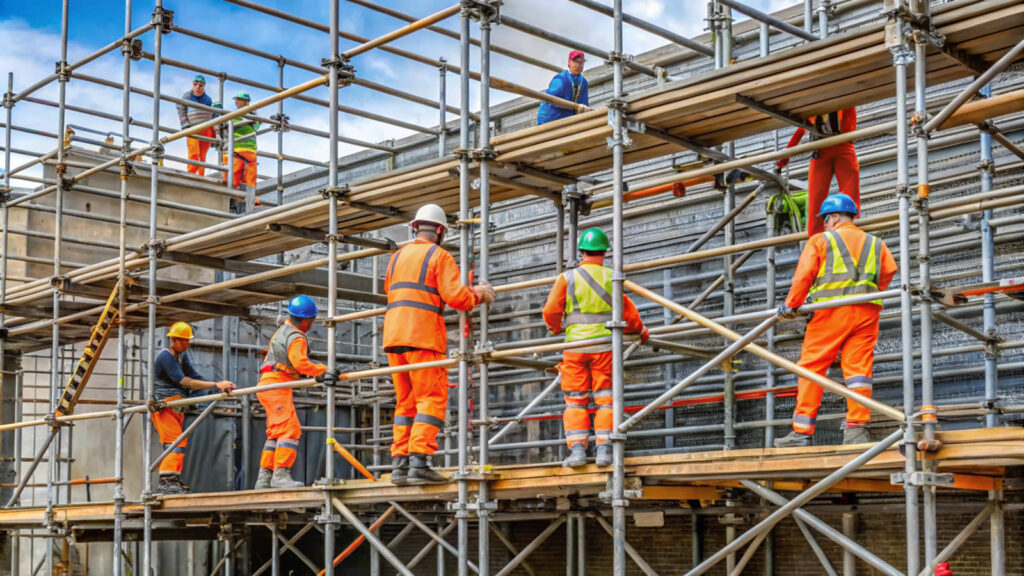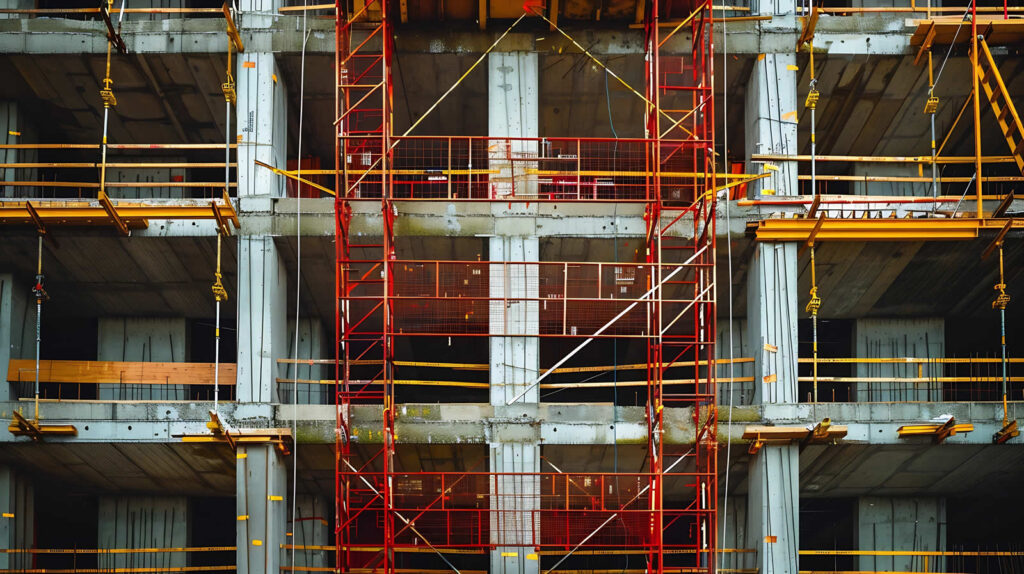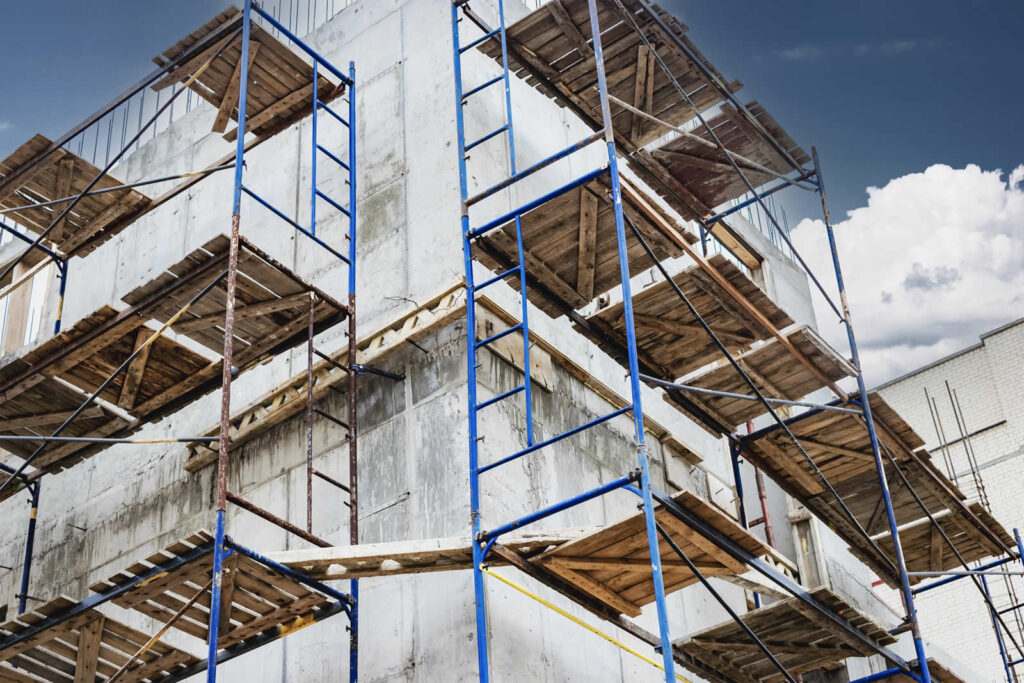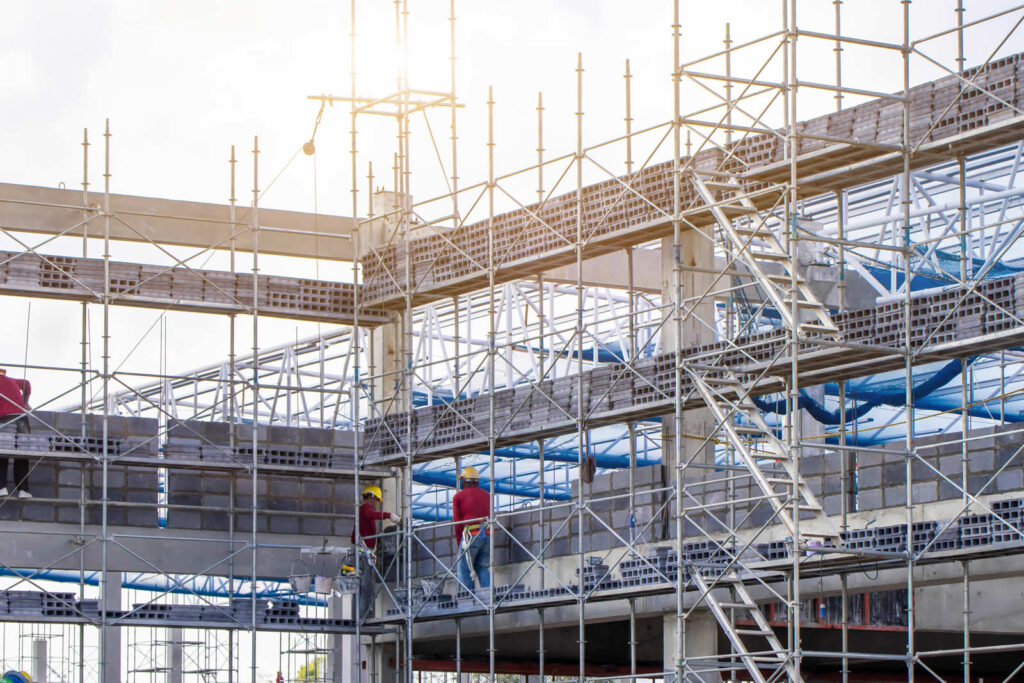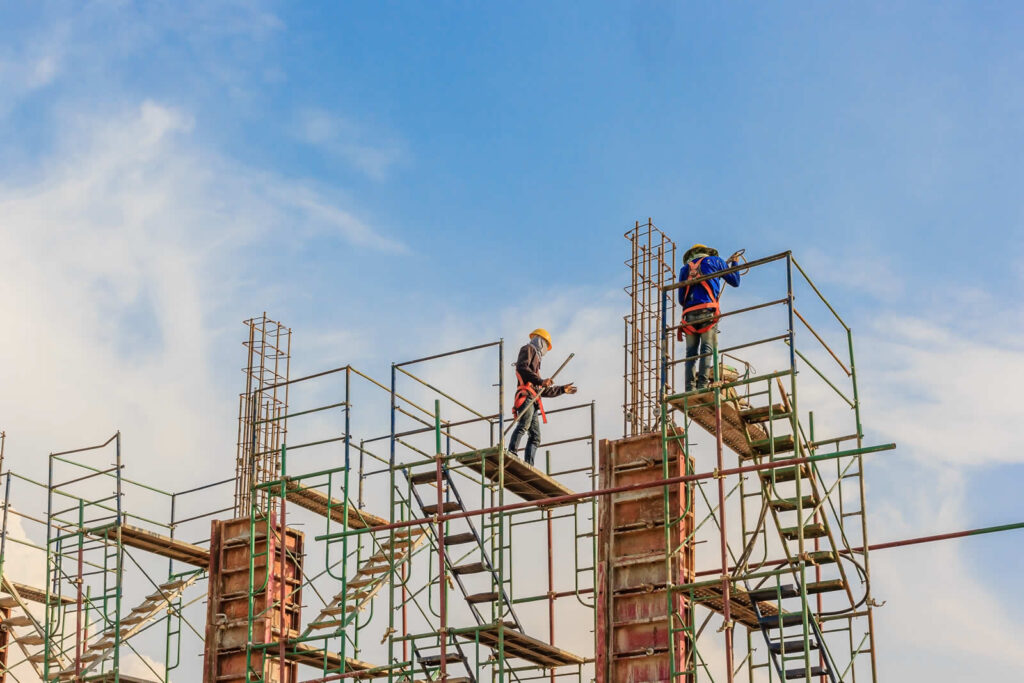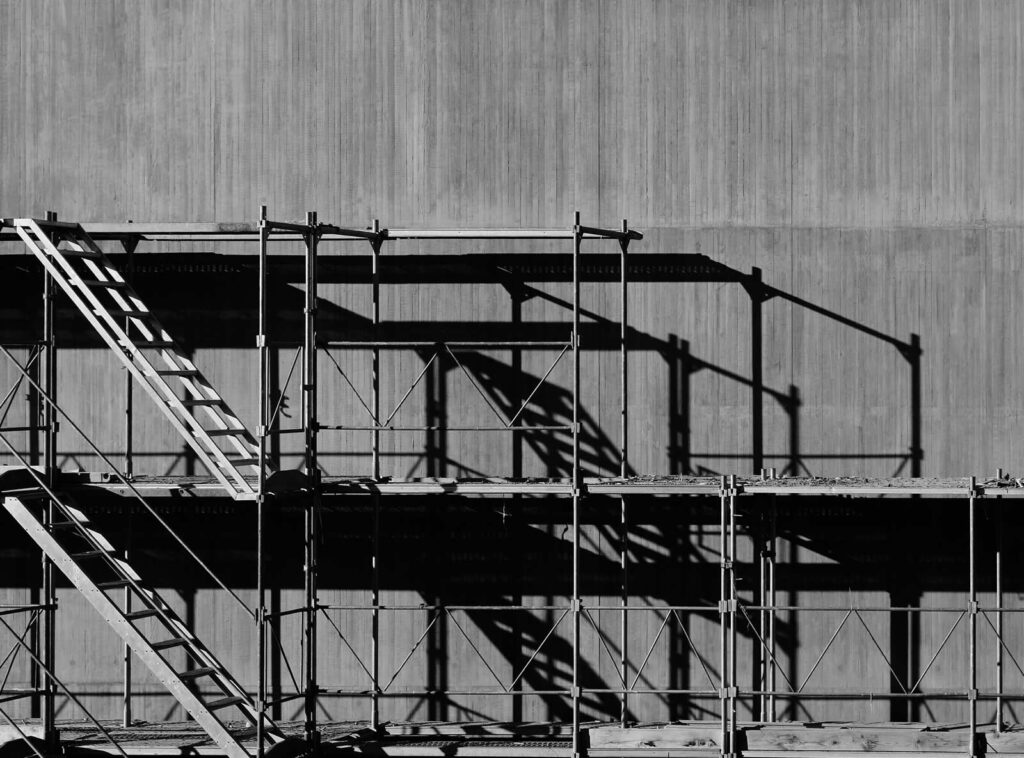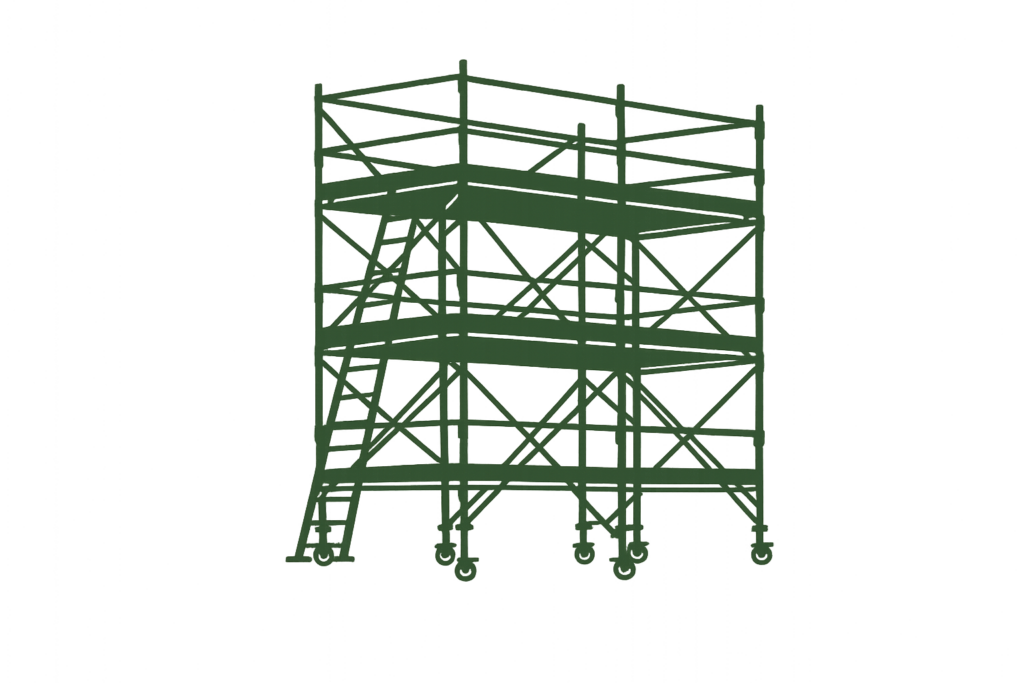
Scaffolding can look simple from the ground.
A few tubes. Some boards. A ladder. A working platform.
But once you understand what scaffolding is actually doing, it becomes clear why it should never be treated as a quick DIY job. A scaffold is not just a temporary frame. It is a safety system. It needs to support workers, tools, materials, movement, weather exposure, and sometimes the public around it too.
That is why scaffold erection should be planned, built, altered, and dismantled by trained, competent people. So, this article is not a step-by-step guide to building scaffolding yourself.
Instead, you will learn how scaffold erection generally works, what needs to be considered before it goes up, what the main scaffold parts do, and why proper inspection matters before anyone uses it.
Can you build or erect scaffolding yourself?
In most cases, you should not erect scaffolding yourself unless you are trained and competent to do so.
This is especially true for general access scaffolds around buildings, commercial sites, roofing work, construction projects, or any scaffold that could put workers, residents, customers, pedestrians, or neighbouring properties at risk.
Even smaller scaffold towers need care. Many injuries happen when towers overturn or people fall from them, so they should still be erected and used by people who know what they are doing.
That does not mean you cannot understand the process. In fact, understanding the basics is useful. It helps you know what to expect when scaffolders arrive. It helps you ask better questions. And it helps you spot obvious warning signs, such as missing guardrails, unstable ground, poor access, or workers making unplanned changes.
But understanding the process is not the same as being qualified to do it.
Scaffolding needs the right design, the right materials, the right erection method, and the right checks. If one of those is wrong, the whole structure can become unsafe.
What needs to happen before scaffolding is erected?
Safe scaffold erection starts before the first tube, fitting, board, or frame is put in place.
A scaffolding company should assess the site and understand what the scaffold needs to do. This is where many people underestimate the job. They think scaffolding starts when the lorry arrives. In reality, the important decisions are often made before that.
Before scaffolding is erected, the scaffolders need to consider:
- What work is being carried out
- How high workers need to reach
- How many people will use the scaffold
- What tools and materials will be placed on it
- How long the scaffold will be needed
- Whether the ground can support the structure
- Whether the building can be tied into safely
- Whether there are public areas nearby
- Whether there are roads, pavements, entrances, or neighbouring properties to consider
- Whether there are overhead cables, fragile roofs, drains, slopes, or other hazards
For example, a scaffold for painting a small house is very different from a scaffold for replacing a roof, repairing a chimney, or working above a public footpath.
The scaffold has to match the job.
If the ground is weak, uneven, sloped, or blocked by an obstacle, the scaffold may need a different design. If the work is above a pavement or public area, extra protection may be needed. If the building is fragile or listed, the scaffold may need to be designed in a way that avoids damaging the structure.
This is why a proper site assessment matters. It helps prevent the scaffold from being treated as a one-size-fits-all frame.
The main parts of a scaffold
You do not need to know every technical term to understand scaffolding, but it helps to know the main parts and what they do.
Here are the basic components, explained in plain English.
Standards
Standards are the vertical tubes or posts that carry the weight of the scaffold down to the ground.
Think of them as the legs of the scaffold. If they are not properly supported, spaced, and connected, the structure will not be stable.
Ledgers
Ledgers are the horizontal tubes that run along the length of the scaffold.
They connect the standards together and help create the structure for each working level.
Transoms
Transoms are horizontal tubes that run across the width of the scaffold.
They help support the scaffold boards or working platform.
Base plates
Base plates sit at the bottom of the standards.
Their job is to spread the load and give the scaffold a more stable contact point with the surface below.
Sole boards
Sole boards are placed underneath base plates when needed.
They help spread the load further, especially where the ground needs extra support. Poor support at the base can affect the entire scaffold.
Braces
Braces are diagonal tubes that help stop the scaffold from swaying or twisting.
Without proper bracing, a scaffold may look upright but still be vulnerable to movement.
Scaffold boards or platforms
These create the surface workers stand on.
They need to be properly supported, positioned, and suitable for the job. A safe platform should give workers enough room to move, use tools, and carry out the work without constantly overreaching.
Guardrails
Guardrails are fitted around exposed edges to reduce the risk of falls.
They are one of the most important parts of a safe working platform.
Toe boards
Toe boards sit at platform level around the edge of the scaffold.
They help stop tools, materials, or debris from being kicked or knocked off the platform.
Ties
Ties connect the scaffold to the building or structure.
They help keep the scaffold stable and stop it moving away from the building. Not every scaffold uses ties in the same way, but where they are required, they are critical.
Access ladders or stair units
Workers need a safe way to get on and off the scaffold.
That access may be provided by ladders, stair towers, or other designed access points. Climbing the outside of a scaffold is not safe access.
How scaffolding is erected: the general process
Every scaffold is different, so the exact erection method depends on the design, site, height, access requirements, and scaffold type.
However, most scaffold erection follows a broad process.
Again, this is an overview, not a DIY method.
The site is checked and prepared
Before the scaffold goes up, the area needs to be assessed and prepared.
This may involve clearing the working area, checking ground conditions, identifying hazards, and making sure there is enough room for materials and safe access.
If the scaffold is going near a public area, entrance, road, or pavement, the setup may also need extra planning to protect people nearby.
The base is set out
The scaffolders establish where the scaffold will stand.
This includes positioning the base plates, sole boards, and first standards so the load can be properly supported.
This stage matters because the base affects everything above it. If the base is wrong, the scaffold can become unstable as it rises.
The first lift is built
A “lift” is one level of the scaffold.
The first lift creates the starting structure. Standards, ledgers, transoms, and braces are connected to form a stable base section.
This is where the scaffold starts to take shape, but it is still only the beginning. Each part needs to be correctly positioned and secured before the next stage continues.
The first working platform is formed
Once the lower structure is secure, scaffold boards or platform units can be placed where needed.
The platform must be properly supported and safe to stand on. It also needs enough space for the work being carried out.
A narrow, awkward, or badly boarded platform makes the job harder and less safe.
Edge protection is added
Guardrails and toe boards are fitted to reduce the risk of falls and falling objects.
This is one of the most visible signs of a properly considered scaffold. If a platform has open edges with no protection, that is a serious warning sign.
The scaffold is braced
Bracing helps keep the scaffold rigid.
It reduces movement and helps the structure resist swaying, twisting, or shifting. Good bracing is easy to overlook because it does not seem as obvious as boards or ladders, but it plays a major role in stability.
The scaffold is tied where required
As the scaffold gets taller, it may need to be tied to the building or another suitable structure.
Ties help stop the scaffold from pulling away, leaning, or becoming unstable. The type, position, and number of ties depend on the scaffold design and site conditions.
This is not something to guess. Poor tying can make a scaffold dangerous, especially in bad weather or when the scaffold is heavily used.
The scaffold is built upwards in stages
The scaffold is then built up level by level.
At each stage, the structure needs to remain stable. Platforms, bracing, guardrails, toe boards, ties, and access points are added as required.
The higher the scaffold goes, the more important stability and correct sequencing become.
Safe access is installed
Workers need a safe way to reach each working level.
Depending on the scaffold, this could be through secured ladders, ladder bays, stair towers, or other access systems.
Access should be planned. It should not rely on workers climbing over rails, squeezing through unsafe gaps, or using parts of the scaffold that were not designed for access.
The scaffold is inspected before use
Before workers use the scaffold, it should be inspected by a competent person.
This final check is not a box-ticking exercise. It confirms that the scaffold is suitable, stable, correctly built, and safe for the intended work.
Why the base matters
A scaffold is only as reliable as the support underneath it.
If the base is unstable, the scaffold can settle, lean, shift, or become unsafe. That risk increases when the scaffold carries workers, tools, materials, and the forces created by movement and weather.
A safe base depends on the surface.
A scaffold on solid, level ground is different from one on soft soil, paving slabs, a sloped driveway, or ground with drains and voids underneath. The scaffolders need to understand what the structure is standing on and how the load will be spread.
This is why base plates and sole boards matter. They help distribute the load rather than concentrating it in one small area.
A common mistake is assuming that because the scaffold looks stable at first, the base is fine. But ground can move. Surfaces can crack. Poor support can worsen over time.
That is why the base needs to be right from the start.
Why bracing and ties matter
Bracing and ties are what help stop a scaffold from moving in ways it should not.
Bracing gives the scaffold rigidity. It helps stop the structure from swaying, twisting, or folding out of shape.
Ties help secure the scaffold to the building or structure where required. They help prevent the scaffold from pulling away or becoming unstable.
This matters because scaffolding is exposed to more than just vertical weight.
Workers move around on it. Materials are placed on it. Wind can push against it. Sheeting or debris netting can increase wind pressure. Tools and equipment may be moved between levels.
Without proper bracing and ties, those forces can create movement.
And movement is exactly what you do not want in a working platform.
How working platforms are made safe
A working platform needs to do more than give someone somewhere to stand.
It needs to be stable, wide enough for the task, properly supported, protected at the edges, and easy to access.
A safe working platform should usually include:
- Properly fitted scaffold boards or platform units
- Guardrails around exposed edges
- Toe boards to help prevent falling objects
- Safe access to and from the platform
- Enough space for workers to move without overreaching
- A clear surface without unnecessary trip hazards
- Suitable load capacity for workers, tools, and materials
This is where scaffolding becomes much safer than relying on ladders for many jobs.
On a ladder, workers often have limited movement and may be tempted to overreach. On a proper scaffold platform, they have more space, more stability, and better access to the work area.
But that only works if the platform is built and maintained correctly.
Loose boards, missing guardrails, cluttered platforms, unsafe access, and overloaded sections can all create serious risks.
What inspections are needed before use?
Scaffolding should be inspected before it is used.
It should also be checked regularly and after anything that could affect its safety, such as alteration, damage, or severe weather.
Inspections are important because scaffolds can change over time.
Materials may be moved. Boards may be disturbed. Weather can affect stability. Someone may remove a guardrail “just for a minute” and forget to replace it. A vehicle may knock part of the structure. Extra materials may be loaded onto a platform.
A scaffold that was safe on day one should not be assumed safe forever.
A competent inspection looks at whether the scaffold is still suitable, stable, complete, and safe to use.
This may include checking:
- The base and ground support
- Standards, ledgers, transoms, and fittings
- Bracing
- Ties
- Platforms and boards
- Guardrails and toe boards
- Access points
- Signs of damage or movement
- Whether the scaffold has been altered
- Whether it is being overloaded
- Whether nearby conditions have changed
No one should use scaffolding that looks incomplete, unstable, damaged, or poorly protected.
Common scaffold erection mistakes to avoid
Most scaffold problems come from treating it as “just a temporary structure”.
That mindset is dangerous.
Here are some of the common issues that can make scaffolding unsafe.
Poor ground support
If the scaffold is not properly supported at ground level, the whole structure can be affected.
Soft ground, broken paving, slopes, drains, voids, or uneven surfaces all need proper assessment.
Missing guardrails
Open edges are a major fall risk.
Guardrails should not be removed casually, and platforms should not be used without proper edge protection.
Missing toe boards
Toe boards help reduce the risk of tools and materials falling from the platform.
This matters even more when people are working below or when the scaffold is near a public area.
Unsafe access
Workers should not climb the outside of the scaffold or use makeshift access routes.
Safe access should be built into the scaffold design.
Poor bracing
A scaffold may stand upright but still lack proper rigidity.
Without adequate bracing, the structure can move, sway, or become unstable.
Weak or missing ties
Where ties are required, they play a key role in stability.
Removing or altering ties without proper approval can make the scaffold unsafe.
Overloading the platform
Scaffolds are designed for specific loads.
Too many materials, heavy equipment, or concentrated loads can exceed what the scaffold is designed to support.
Unplanned alterations
This is one of the biggest risks.
Someone removes a board, shifts a ladder, takes off a guardrail, or changes part of the scaffold to make their job easier. The problem is that even a small change can affect safety.
Scaffolding should only be altered by competent people.
How to prepare your site before scaffolders arrive
You do not need to erect the scaffold yourself, but you can help make the process smoother.
Before scaffolders arrive, it helps to prepare the area properly.
Clear the working area
Move anything that could block access.
This might include vehicles, bins, garden furniture, plant pots, tools, stored materials, or outdoor equipment.
The scaffolders need space to unload materials, move around safely, and set out the scaffold.
Make access available
Make sure gates, driveways, side paths, and entrances are accessible.
If scaffolders cannot reach the area easily, the job may take longer or need to be rearranged.
Tell neighbours if needed
If the scaffold may affect a shared driveway, boundary, pavement, or neighbouring property, it is usually best to tell people in advance.
This helps avoid confusion and complaints once the work starts.
Check for overhead cables
Overhead cables can create serious hazards.
You should point out any cables, wires, or nearby services before the work begins. The scaffolding company should assess these properly as part of the site planning.
Keep pets and children away
Scaffold erection involves heavy materials, moving vehicles, tools, and work at height.
Children and pets should be kept away from the working area while the scaffold is being installed, altered, or dismantled.
Discuss working hours
Scaffold erection can be noisy.
If the work is at a home, shop, office, school, or shared site, it helps to agree working times in advance.
Mention any fragile surfaces
Tell the scaffolding company about fragile roofs, glass structures, drains, cellars, basements, decking, or weak paving.
These can all affect how the scaffold is planned and supported.
Why professional scaffold erection matters
Professional scaffold erection matters because small mistakes can have serious consequences.
A scaffold must be stable. It must be suitable for the work. It must have safe access. It must protect workers from falls. It must reduce the risk of falling objects. It must be checked before use. And it must not be altered by people who do not understand the structure.
That is a lot to get right.
From the outside, scaffolding may look like a simple frame. But a safe scaffold is the result of planning, training, correct assembly, supervision, and inspection.
Professional scaffolders understand how to assess the site, choose the right scaffold type, support the base, brace the structure, install ties, create safe working platforms, and adapt the scaffold to the job.
They also understand when a standard scaffold is not enough.
For example, work above a conservatory, glass roof, public pavement, weak ground, or busy entrance may need a more specialist design. A property owner may not spot that risk straight away. A competent scaffolder should.
That is the difference between simply putting something up and creating a safe access system.
Conclusion
Building or erecting scaffolding is not just a matter of connecting tubes and boards.
A safe scaffold starts with planning. The site needs to be assessed. The ground needs to be suitable. The structure needs the right base, bracing, ties, working platforms, guardrails, toe boards, and access points. It needs to be erected by competent people and inspected before use.
So, while it is useful to understand how scaffolding is generally erected, it should not be treated as a DIY task.
The safest approach is to use an experienced scaffolding company that can assess your project, recommend the right scaffold, erect it properly, and make sure it is safe before anyone steps onto it.
That way, the job can be carried out with safer access, fewer delays, and far less risk.