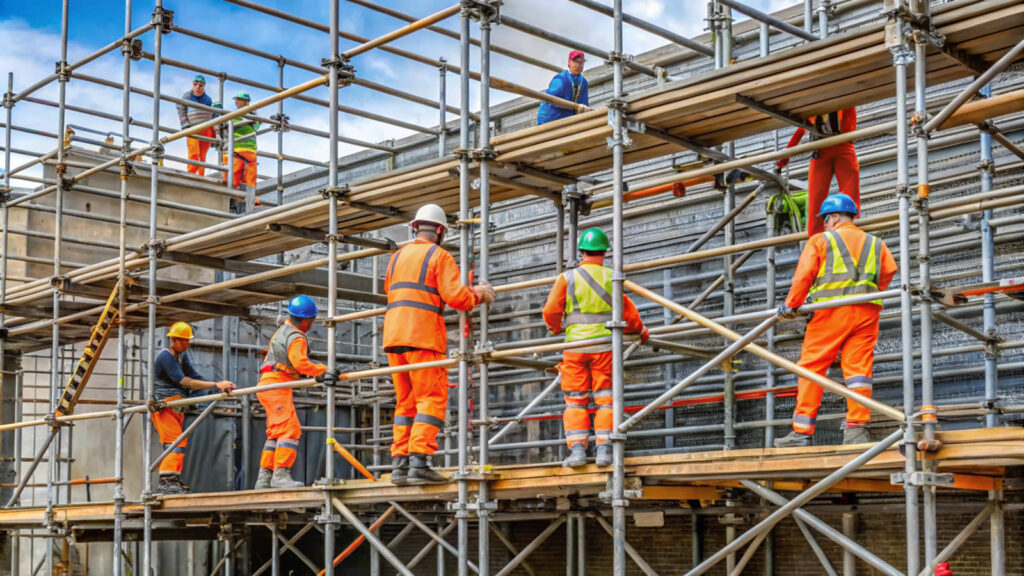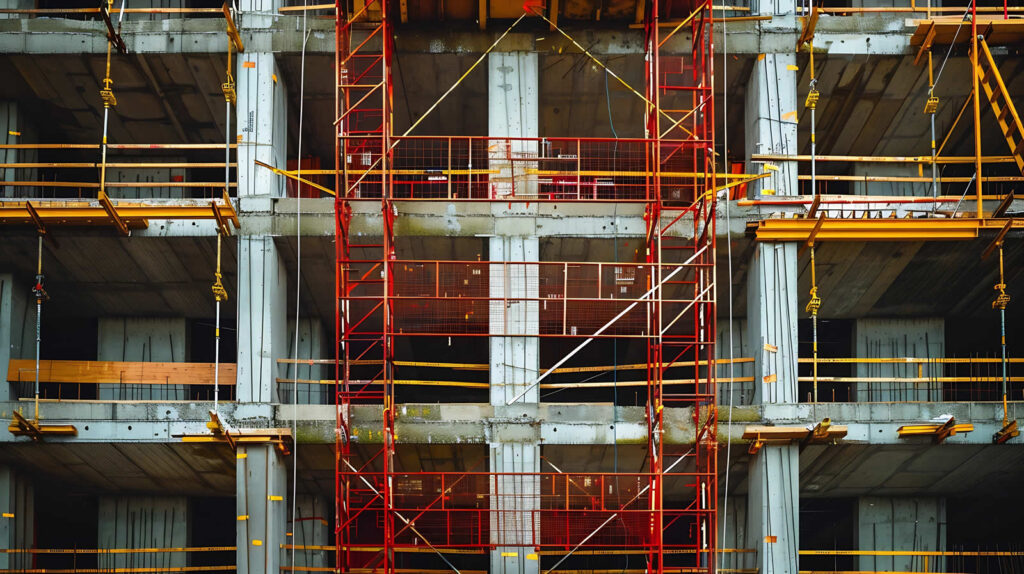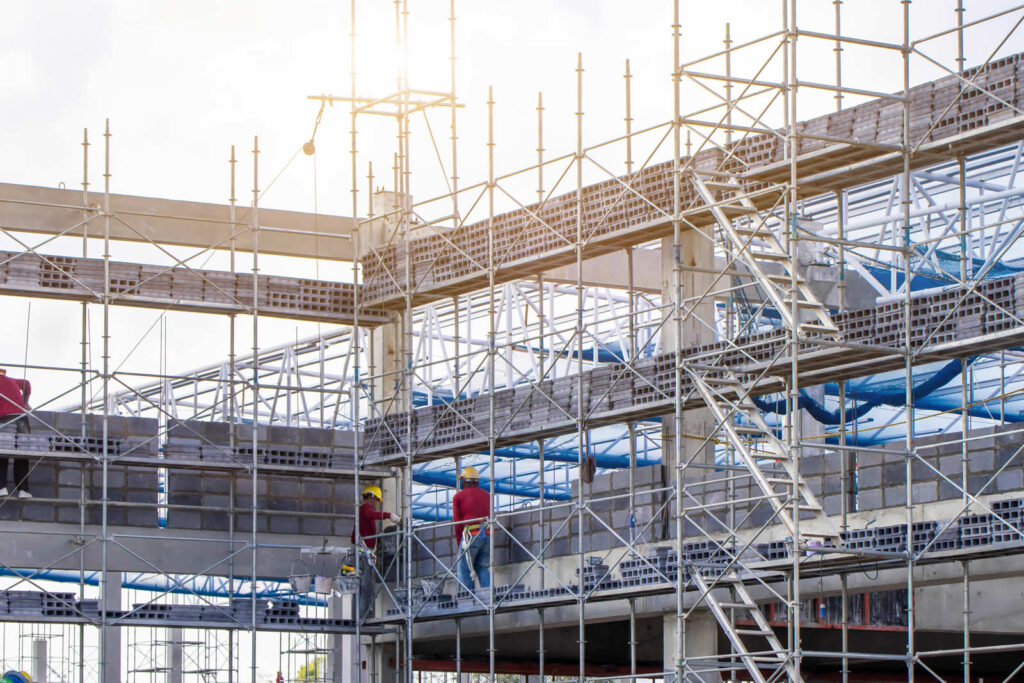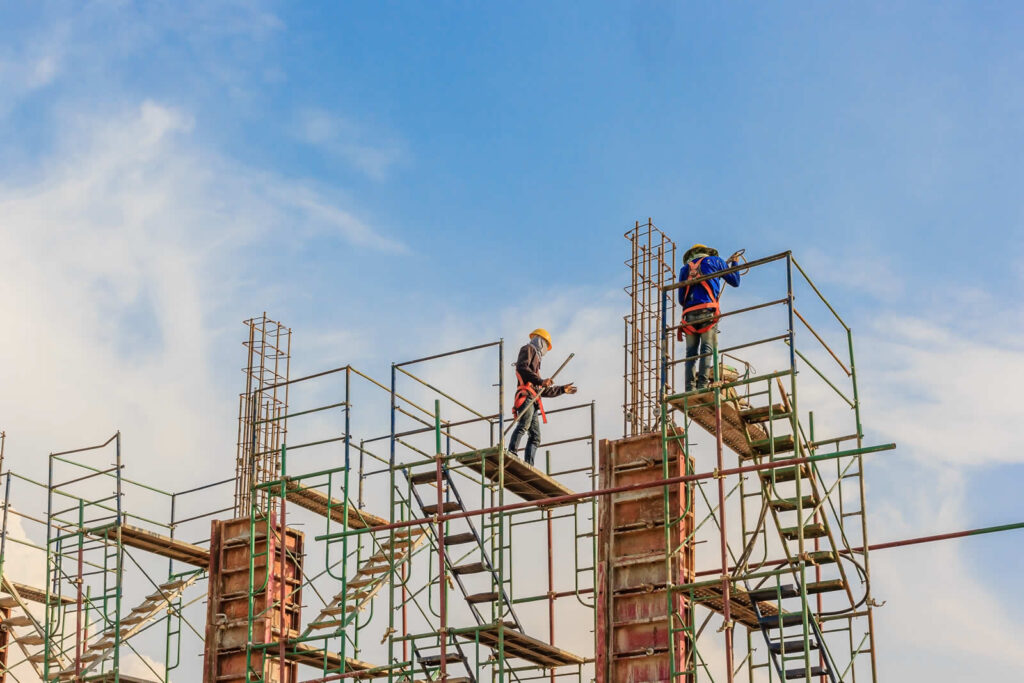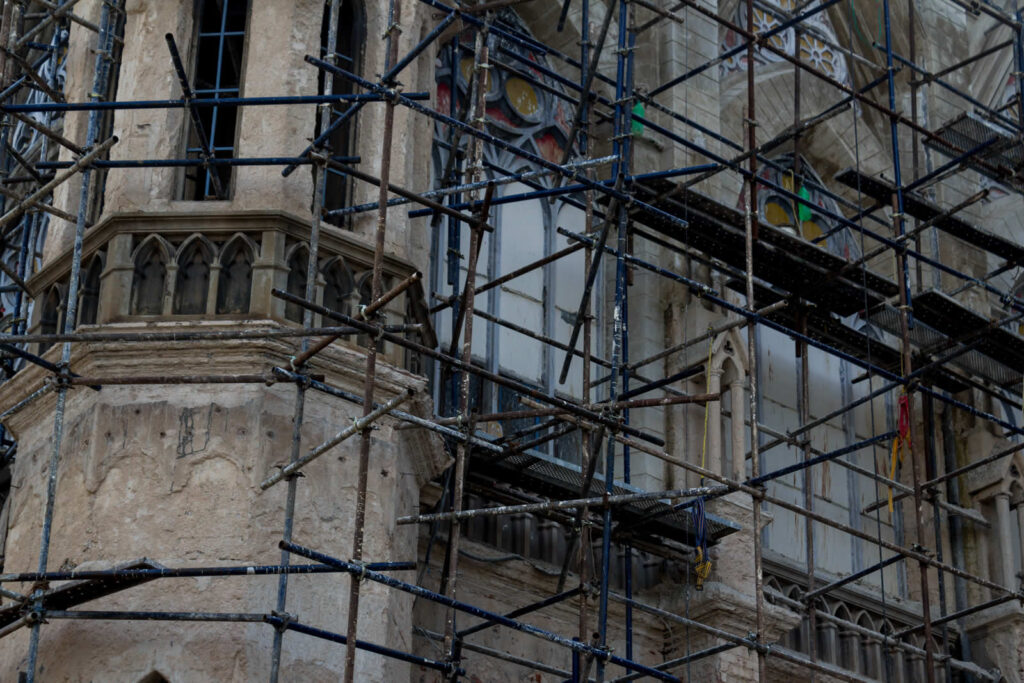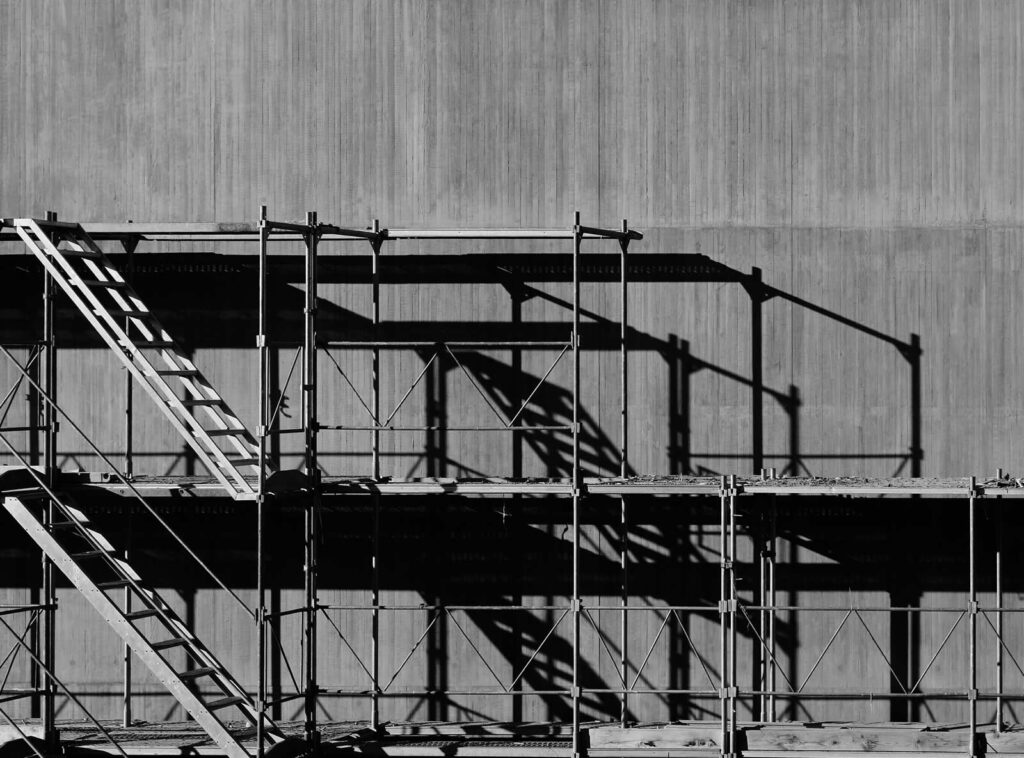
Scaffolding is meant to make work at height safer, but it only does that when it is erected, inspected, maintained, and used properly. A scaffold that looks solid from the ground can still become dangerous if guardrails are missing, platforms are overloaded, access points are blocked, or someone has made an unauthorised change.
That is why scaffold safety is not just about telling workers to “be careful”. Care matters, but it is not enough on its own. Falls and injuries are usually prevented by proper planning, competent scaffold erection, regular inspections, safe access, tidy platforms, edge protection, and a clear rule that work stops when something does not look right.
In this article, you will learn how to reduce the risk of falls and injuries when working on scaffolding, what warning signs to watch for, and why safe scaffold use depends on everyone treating the structure as a working safety system, not just a temporary platform.
Why scaffold safety matters
Working on scaffolding carries several risks. The most obvious is falling from height, but that is not the only danger. Workers can also be injured by slips, trips, falling tools, falling materials, unstable platforms, poor access, bad weather, or scaffold sections being altered by people who should not be touching them.
The problem is that scaffold risks often start small. A guardrail is removed “just for a minute”. A few extra materials are stacked on a platform. A ladder access point gets blocked. A worker climbs the outside of the scaffold because it feels quicker. One shortcut might not seem dramatic in the moment, but those shortcuts can quickly turn a safe scaffold into a serious hazard.
Preventing injuries means controlling these risks before they become normal on site. The safest sites are usually not the ones where people rely on luck or experience alone. They are the ones where the scaffold is checked, used properly, kept clear, and treated with discipline every day.
Start with a properly erected scaffold
Scaffold safety starts before anyone steps onto the platform. If the scaffold has not been designed, erected, altered, and dismantled by competent people, the risk is already too high. HSE guidance states that scaffolds should be designed, erected, altered, and dismantled only by competent people, with the work carried out under the direction of a competent supervisor.
This matters because scaffolding is not just a collection of tubes, boards, and fittings. It has to be suitable for the job, the height, the loads, the building, the ground conditions, the access requirements, and the surrounding area. A scaffold used for chimney repairs on a house is different from one used for commercial maintenance above a public pavement.
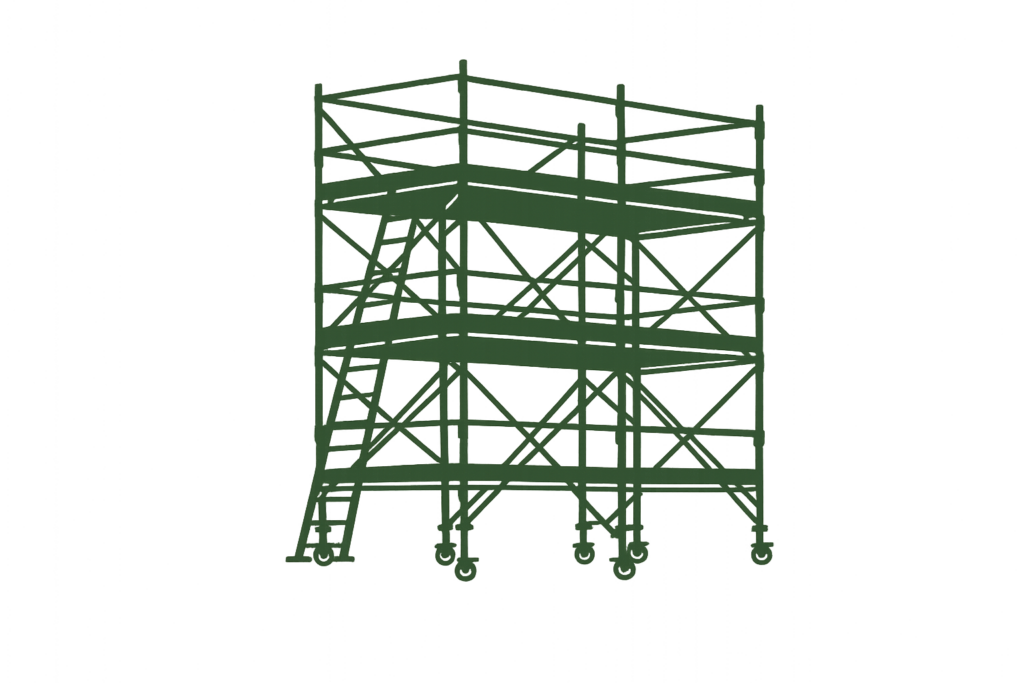
A properly erected scaffold should have a stable base, suitable working platforms, safe access, guardrails, toe boards, bracing, ties where needed, and any extra protection required for the site. If any of these are missing or poorly installed, workers should not simply carry on and hope for the best.
Make sure the scaffold is inspected before use
A scaffold should be inspected before it is used for the first time. For construction work, HSE says scaffolds should then be inspected every seven days until they are removed, and also after conditions that could cause deterioration, such as adverse weather or substantial alteration.
These inspections should be carried out by a competent person. That means someone with the right mix of knowledge, training, and experience for the type and complexity of scaffold being inspected. HSE gives examples such as a person assessed under CISRS, or someone with suitable training for a specific system scaffold.
Inspections matter because scaffolds can change after handover. Materials get moved. Boards are disturbed. Weather affects the structure. Someone removes a rail and forgets to put it back. A vehicle knocks part of the scaffold. A scaffold that was safe last week should not be assumed safe today without the proper checks.
Never use incomplete or damaged scaffolding
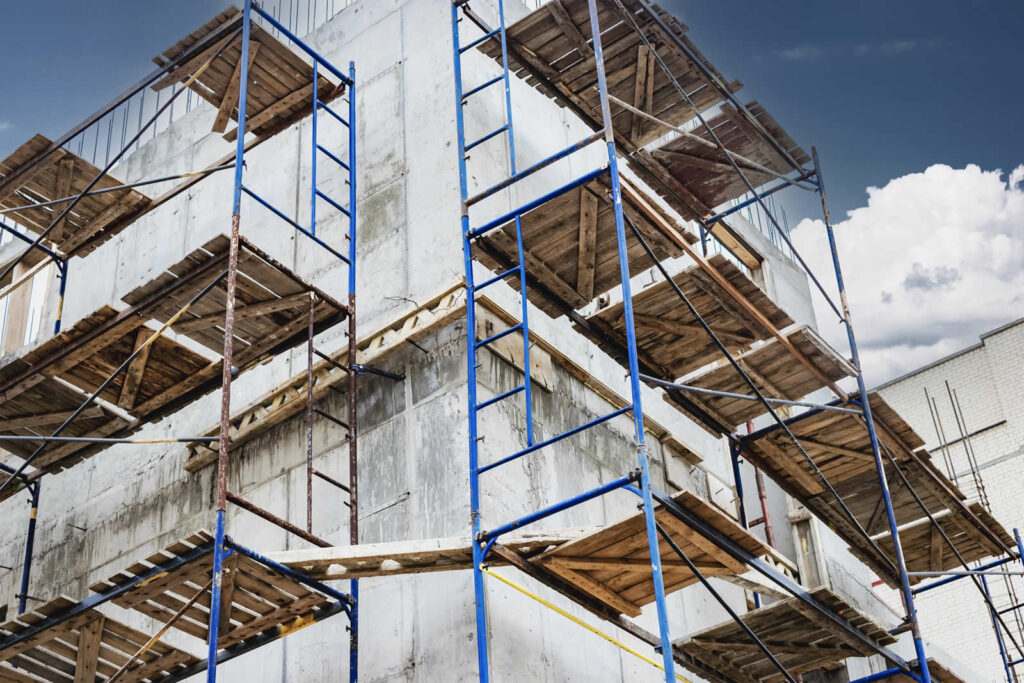
Do not use scaffolding that looks incomplete, damaged, unstable, or poorly protected. This includes scaffolding with missing guardrails, missing toe boards, loose boards, obvious movement, damaged fittings, poor access, leaning sections, unstable ground support, or visible impact damage.
It is easy for people to talk themselves into carrying on because the job is nearly finished or because “it will only take a minute”. That is exactly when accidents happen. If a scaffold does not look right, the safest response is to stop and get it checked by a competent person before work continues.
You should also be cautious around scaffolding that has been altered without approval. Small changes can have big consequences. Moving boards, removing rails, changing access points, or interfering with ties can all affect safety, even if the scaffold still looks mostly intact.
Use proper access points
Workers should use the designed access points, such as secured ladders, ladder bays, stair towers, or other planned routes. They should not climb the outside of the scaffold frame, step over guardrails, squeeze through unsafe gaps, or use makeshift access.
Unsafe access is one of those risks that can become normal if no one challenges it. A worker may climb the scaffold once because it seems quicker, then others copy the behaviour. Before long, the site has created a habit that puts people at unnecessary risk.
Safe access should be clear, secure, and easy to use. If the proper route is blocked by materials, tools, waste, or parked equipment, the answer is not to find a risky shortcut. The access route should be cleared.
Keep guardrails and toe boards in place
Guardrails help stop workers falling from exposed edges. Toe boards help stop tools, materials, and debris from being kicked or knocked off the platform. Both are basic parts of scaffold safety, and neither should be removed casually.
For construction work, HSE states that the top guardrail should be at least 950mm above the working platform, and any gap between the top rail and intermediate rail should not exceed 470mm. HSE also says toe boards must be suitable and sufficient to prevent people or materials from falling.
If guardrails or toe boards need to be removed for a specific reason, that should only happen under proper control and by people who are competent to manage the risk. They should not be taken off simply to make moving materials easier.
Keep platforms clear and tidy
A scaffold platform should give workers a safe space to stand, move, and carry out the job. It should not become a dumping ground for tools, waste, offcuts, cables, buckets, packaging, or unused materials.
Slips and trips are a major issue on scaffolding because the consequences can be much worse than a trip at ground level. A small stumble near an edge, access opening, or stack of materials can quickly become serious. Wet boards, muddy footwear, trailing leads, loose fixings, and scattered debris all increase the risk.
Good housekeeping is one of the simplest ways to prevent injuries. Keep walkways clear, store materials sensibly, remove waste regularly, and make sure access points are not blocked. A tidy scaffold is not just neater; it is safer and easier to work from.
Do not overload scaffold platforms
Scaffold platforms are designed to support specific loads. They should not be treated as general storage areas for heavy materials, equipment, waste, or deliveries unless the scaffold has been designed for that purpose.
Overloading can happen gradually. A few packs of materials are placed on one bay, then more are added later. Tools, buckets, boards, bricks, tiles, or equipment build up until the platform is carrying far more than intended. The scaffold may not fail immediately, but that does not mean it is safe.
Materials should be spread and stored only in line with the scaffold’s intended use and load capacity. If heavier loads are needed, the scaffold should be assessed properly rather than guessed. When in doubt, ask the scaffolding provider or site supervisor before loading the platform.
Watch the weather
Weather can change how safe a scaffold is to use. Rain can make boards slippery. Ice and snow can create serious slip risks. Strong winds can affect balance, materials, sheeting, debris netting, and the scaffold itself. Poor visibility can also make access and movement more dangerous.
Wind deserves particular attention. A scaffold with sheeting or netting can catch the wind more than an open scaffold. That extra force can affect stability if it has not been allowed for properly. Workers may also struggle to handle materials safely in gusty conditions.
Bad weather should never be ignored just because the scaffold was safe earlier in the week. If conditions could affect stability or safe use, work should stop until the scaffold and site conditions have been checked.
Use PPE properly
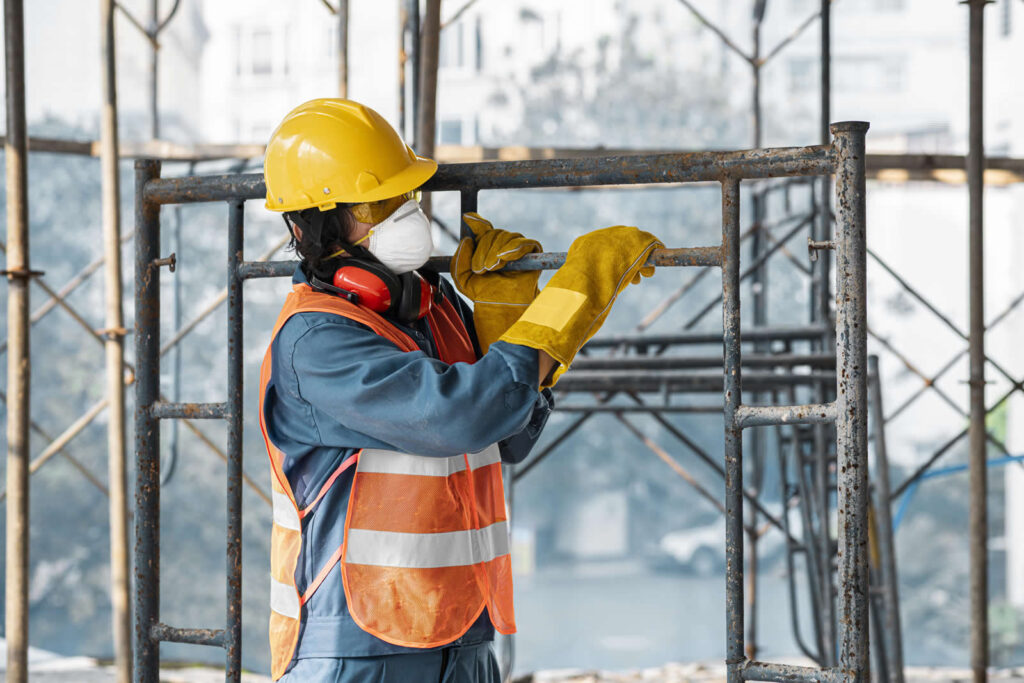
Personal protective equipment helps reduce risk, but it should not be treated as the main safety solution. Hard hats, suitable footwear, gloves, high-vis clothing, and other PPE can all help protect workers, but they do not replace proper scaffold design, guardrails, toe boards, safe access, and good housekeeping.
Harnesses may be required in some scaffold work, especially where collective protection is not enough or during certain erection, alteration, or dismantling tasks. But a harness is not a magic fix for an unsafe platform. If guardrails are missing, access is poor, or the scaffold is unstable, PPE alone will not make the job safe.
The best approach is to control the risk at source first. That means using properly erected scaffolding, collective fall protection, safe working platforms, and competent supervision. PPE then supports that system rather than replacing it.
Prevent falling objects
Falls are not the only danger on scaffolding. Tools, fittings, materials, and debris can fall from height and injure people below. This is especially important when scaffolding is near pavements, entrances, roads, neighbouring properties, gardens, customers, residents, or other trades.
Toe boards help reduce this risk, but they are not the only control. Depending on the site, you may also need brick guards, debris netting, fans, sheeting, tool lanyards, controlled exclusion zones, warning signs, or barriers to keep people away from the danger area.
The way materials are stored also matters. Tools and materials should be kept away from edges where possible, and waste should be removed safely rather than thrown down. If materials need to be moved from height, use a planned method rather than dropping or “bombing” items from the scaffold.
Avoid unsafe shortcuts
Many scaffold injuries are caused by shortcuts rather than unusual events. The scaffold may be suitable at the start, but unsafe behaviour changes the risk. Common shortcuts include climbing the outside of the scaffold, removing guardrails, moving boards, using ladders on top of platforms, overreaching, blocking access routes, overloading bays, or making small alterations without approval.
These choices often happen because people are trying to save time. The problem is that scaffolding safety depends on the structure being used as intended. Once people start improvising, the scaffold is no longer being used in the way it was planned.
A safe rule is simple: do not alter the scaffold unless you are competent and authorised to do so. If the scaffold does not suit the job, ask for it to be changed properly. Do not create your own workaround.
Report problems and stop work when needed
One of the most important scaffold safety habits is knowing when to stop. If a scaffold looks unsafe, incomplete, damaged, overloaded, unstable, or different from how it was handed over, work should pause until it has been checked.
Workers should feel able to report scaffold problems without being ignored or pressured to carry on. Site managers and property owners should treat these reports seriously, because the person using the scaffold is often the first to notice movement, missing parts, blocked access, loose boards, or changes caused by other trades.
Stopping work can feel frustrating, especially when deadlines are tight. But it is far better to lose a little time than to let people work from a platform that may not be safe.
How site managers and property owners can help
You do not need to be a scaffolder to help keep a scaffold safer in use. Site managers, contractors, property owners, and facilities teams can all reduce risk by keeping access clear, controlling public areas, checking that inspections are being carried out, and making sure trades know not to alter the scaffold.
Good communication makes a big difference. If different trades are using the scaffold, everyone should understand where materials can be stored, how access should be used, who to report issues to, and what must not be changed. It also helps to make one person responsible for raising scaffold concerns quickly.
Property owners can help by keeping children, pets, residents, customers, and visitors away from the working area. They can also make sure vehicles, bins, deliveries, and stored items do not block access points or create extra hazards around the scaffold base.
Conclusion
Scaffolding helps prevent falls and injuries only when it is planned, erected, inspected, maintained, and used properly. A scaffold is not safe just because it is standing. It needs competent erection, regular inspection, clear access, stable platforms, proper guardrails, toe boards, sensible loading, good housekeeping, and users who do not take shortcuts.
The biggest risks often come from everyday decisions: climbing the frame instead of using the access point, leaving tools near edges, removing a guardrail, overloading a platform, or carrying on after bad weather without checking the scaffold.
The safest approach is simple. Use scaffolding erected and inspected by competent people. Keep platforms clear. Do not alter the scaffold yourself. Watch for damage, missing parts, poor access, and bad weather. And if something looks wrong, stop work until it has been checked.
That is how scaffolding does what it is meant to do: give people safer access to work at height, with fewer risks and fewer avoidable injuries.